Airbus and Sikorsky's Heavy Helicopters Return to Offshore Market, Targeting Deepwater Energy Operations Needs
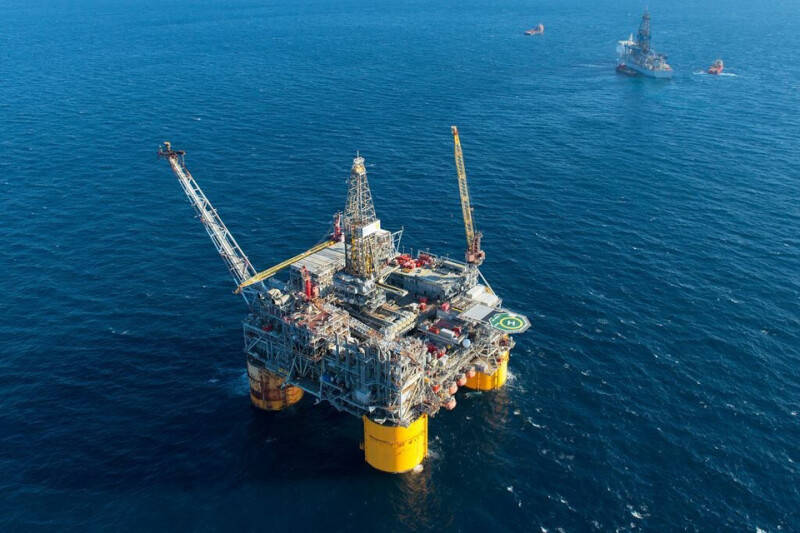
en.Wedoany.com Report on Mar 28th, Airbus and Sikorsky are repositioning their heavy commercial helicopters to return to the offshore market. As the demand for longer range in deepwater energy operations grows, the industry's need for heavy helicopters is becoming increasingly prominent.
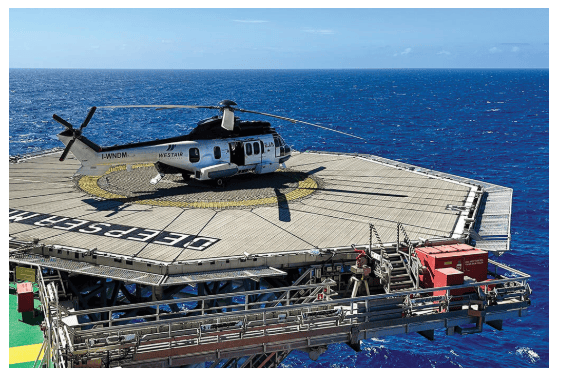
New-generation twin-engine super-medium helicopters, such as the Airbus H175 and Leonardo AW189, can carry up to 16 passengers but have limited range. In regions like Brazil and Canada, mission radii often need to exceed 200 nautical miles, which is driving demand for heavy helicopters. Sikorsky is increasing S-92 production to up to 12 aircraft per year and relocating its assembly line from West Palm Beach, Florida, to Owego, New York. "There were 40 S-92s in storage in 2020, now it's zero. Approximately 92% of the offshore S-92 fleet remains in service, with a utilization rate of about 98%," said Leon Silva, Sikorsky's Global Commercial representative. Airbus, meanwhile, is working to restore the offshore credibility of the H225, which was damaged by a 2016 accident in Norway. It is now used for oil and gas missions in Brazil, China, and elsewhere, and received Shell approval last year. "Shell is a safety reference; obtaining its approval helps boost market confidence," said Michel Macia, Program Manager for the Airbus Super Puma family. The upgraded S-92A+ standard includes a Stage IV main gearbox, enhancing safety. Industry observers note that the return of heavy helicopters could impact the market entry of Bell's new 525 model. The H225 and S-92 are also expanding into new roles such as firefighting.
Related Products
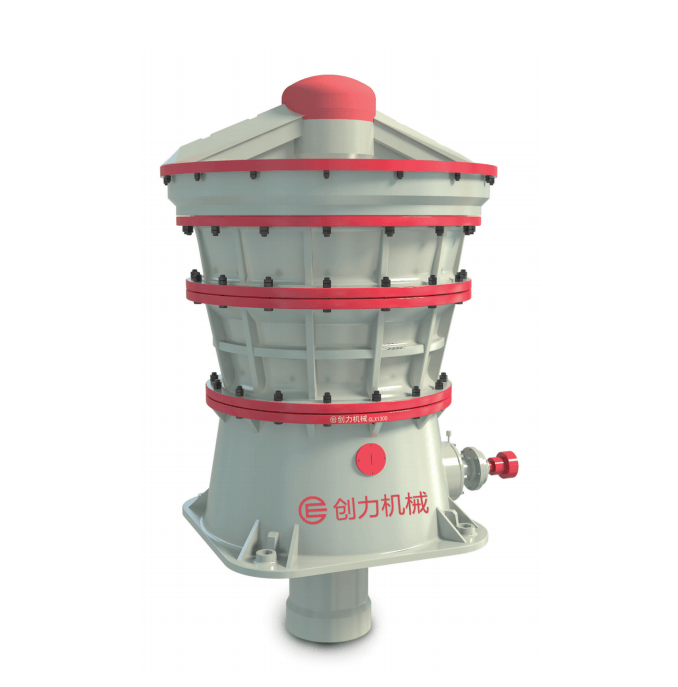

CLX Series Intelligent Hydraulic Gyratory Crusher
Guangdong CHUANGLI intelligent machinery Equipment Co., LTD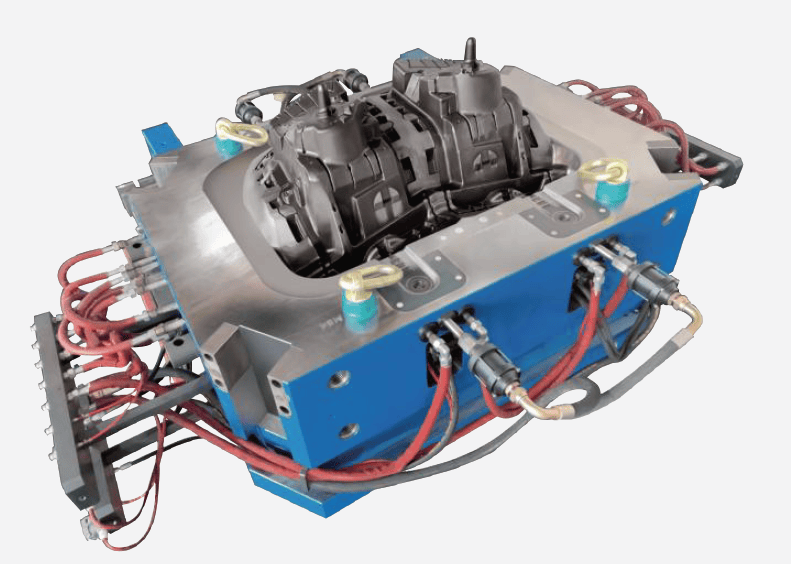
Aluminum-Magnesium Alloy High-Pressure Die-Casting Molds
NINGBO HELI TECHNOLOGY CO., LTD.
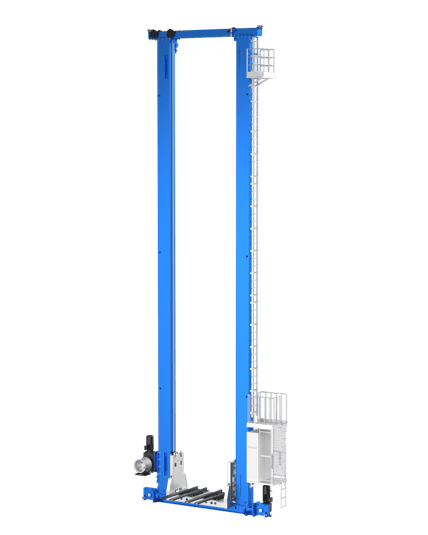
Pallet Solutions Product Line: HD3000 Double-Column Stacker Crane
Zhongding Intelligent (Wuxi) Technology Co., Ltd.
CAP1400 main feedwater flow nozzle flowmeter.
Jiangsu Hongda Instrument Technology Co., LTD.



Pneumatic high-pressure wear-resistant ball valve
Zhejiang Deca Control Valve Meter Co., Ltd.