China Bearing Selection Guide: Avoiding Pitfalls to Enhance Equipment Reliability
en.Wedoany.com Report on Mar 28th, In the field of mechanical engineering, bearings, as critical components, directly impact the operational stability and lifespan of equipment. However, many engineers may fall into common pitfalls during selection, leading to premature bearing failure. This article, based on Chinese engineering practices, provides practical guidance for rolling bearing selection to help avoid frequent mistakes.
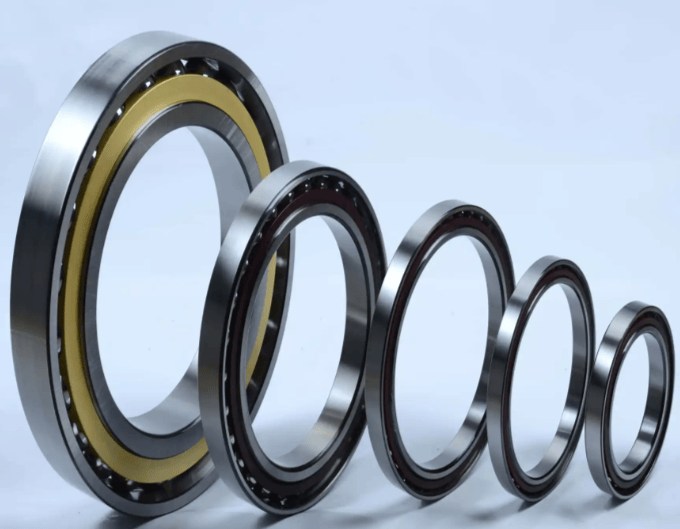
A common misconception is that angular contact ball bearings must be used whenever axial forces are present. In reality, deep groove ball bearings can handle a certain degree of bidirectional axial force. In scenarios with small axial loads and space constraints, deep groove ball bearings are a more economical and efficient choice. Blindly selecting angular contact ball bearings may lead to unnecessary cost increases and installation challenges.
Another misconception is that self-aligning requirements can only be met by self-aligning ball bearings. While self-aligning ball bearings possess the ability to automatically compensate for misalignment, their load-carrying capacity is limited. In operating conditions where heavy loads and shaft misalignment coexist, such as in mining machinery or papermaking equipment, spherical roller bearings, due to their high load capacity and strong self-aligning characteristics, are often a better solution.
Furthermore, for high-speed applications, one should not focus solely on the limiting speed parameter. For example, cylindrical roller bearings are suitable for high-speed operation but cannot withstand axial forces; whereas tapered roller bearings, despite their strong load-carrying capacity, are limited in high-speed environments due to higher internal friction. Therefore, selection must comprehensively consider factors such as load direction, magnitude, and operational stability.
To simplify the selection process, engineers can refer to the following decision logic: First, determine the load type. Pure radial loads may use deep groove ball or cylindrical roller bearings; pure axial loads are suitable for thrust ball or thrust roller bearings; combined loads may consider angular contact ball or tapered roller bearings. Second, evaluate additional requirements. For high speed, prioritize deep groove ball or ceramic hybrid bearings; for shaft misalignment, consider spherical roller bearings for heavy loads or self-aligning ball bearings for light loads; for compact spaces, choose deep groove ball or thin-section bearings.
Improper bearing selection is a common cause of equipment failure. By accurately analyzing load characteristics, clarifying operational requirements, and applying reasonable decision-making methods, frequent replacement issues can be effectively avoided. Engineers should carefully evaluate before selection to ensure the most suitable bearing type is chosen, thereby enhancing overall system reliability.
Related Products



Pneumatic high-pressure wear-resistant ball valve
Zhejiang Deca Control Valve Meter Co., Ltd.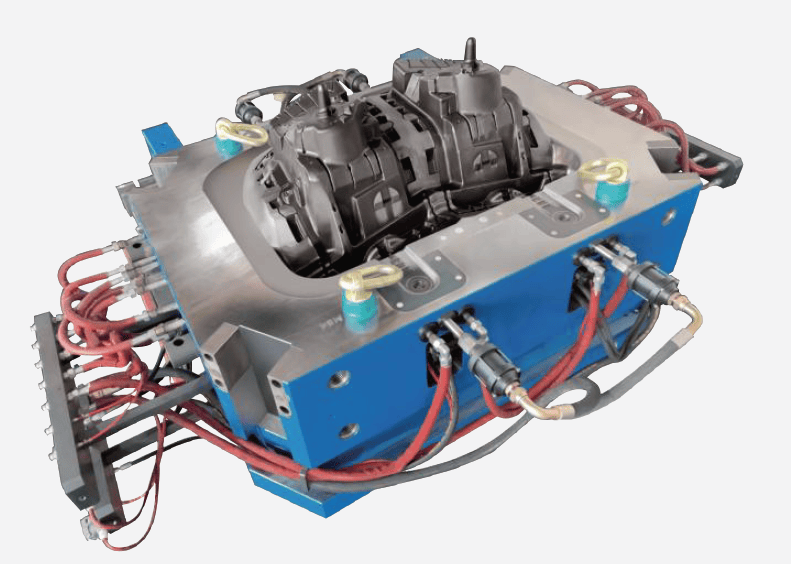
Aluminum-Magnesium Alloy High-Pressure Die-Casting Molds
NINGBO HELI TECHNOLOGY CO., LTD.
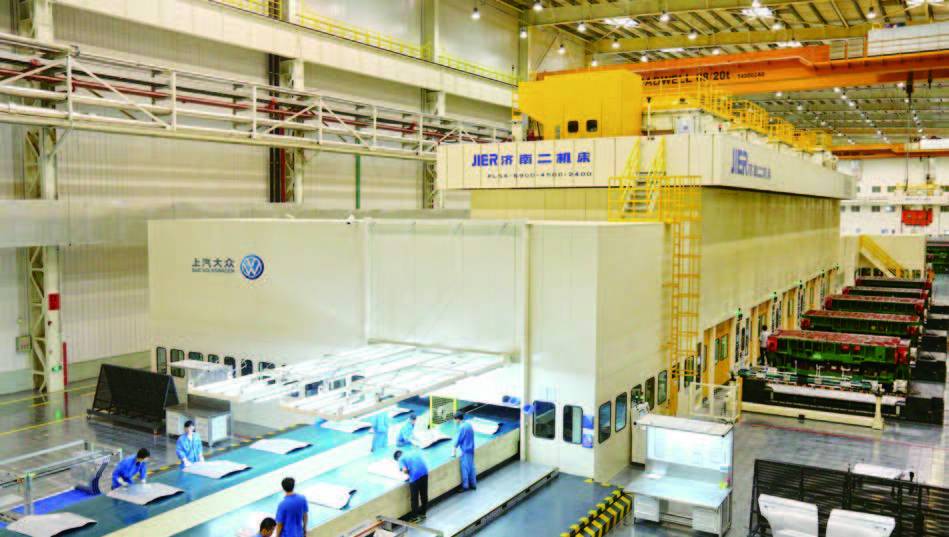
High-Speed Flexible Fully Automatic Stamping Production Line
JIER Machine-Tool Group Co., Ltd.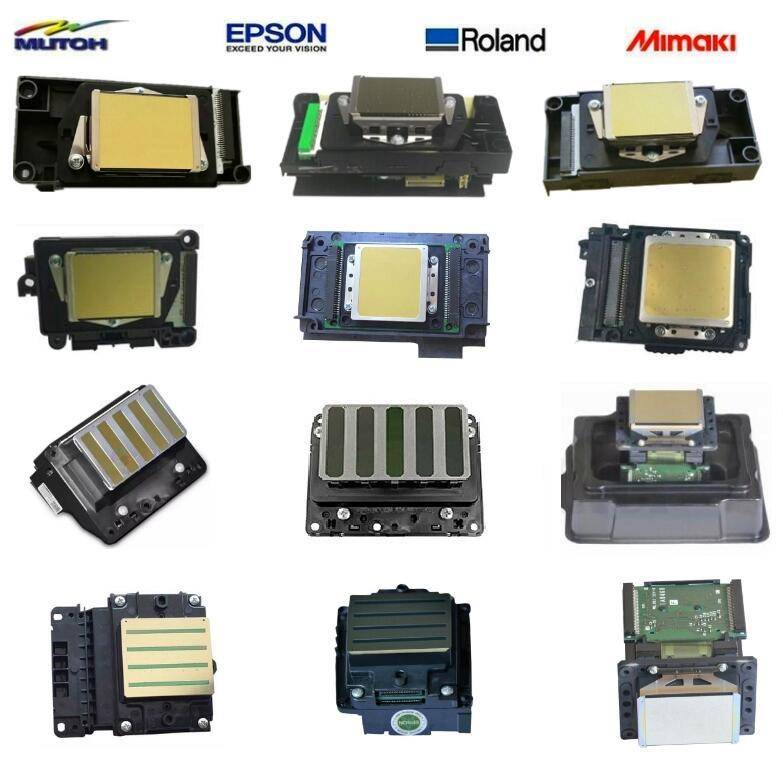
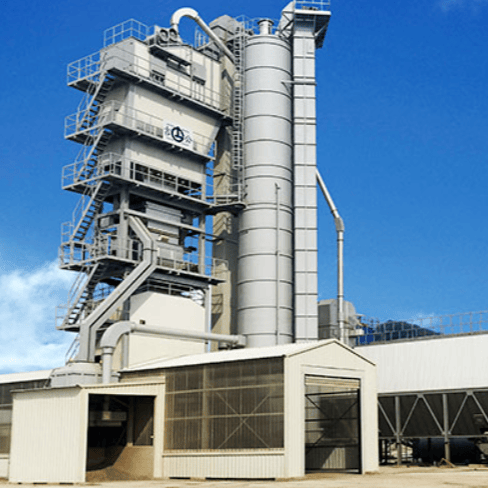
LBH4000 Batch Environmental Protection Asphalt Mixing Plant | Asphalt Batching Plant | Asphalt Mixing Plant
Jilin Province Road Construction Machinery Co., Ltd.