en.Wedoany.com Report on Mar 30th, In 2025, artificial intelligence has transitioned from a theoretical concept to practical application in German companies. The latest research from the Berlin Weizenbaum Institute indicates that fear of contact with AI is decreasing, while the need to boost productivity is growing. Data shows that the proportion of companies using AI in regular operations has increased from 50% last year to 62%. When including pilot projects, this figure reaches 74%.
The survey reveals that AI has been widely integrated into daily work in areas such as IT, administration, and marketing. In IT security and programming, about 55% of companies already use AI for routine operations. Even in sensitive departments like human resources, 25% of companies report AI usage, with 18% for regular applications and 7% in pilot phases.
Although nearly 80% of companies primarily use AI to enhance efficiency, the study alleviates concerns about large-scale job losses. While 40% of companies have goals to replace employees with AI, the reality shows that over 80% of businesses use the saved time to improve product quality, and nearly 75% use it to reduce work backlogs, thereby easing employee stress.
This study is based on stratified random samples from 2024 and 2025, covering 440 manufacturing and service companies with more than 50 employees each. In over 230 cases, researchers interviewed both management and union representatives to obtain diverse perspectives. Although not covering all economic sectors, the results provide important insights for Germany's digital transformation.
The study found that successful AI implementation is closely linked to co-determination. In companies where management actively involved unions, employees experienced less increase in work stress due to new systems, accounting for about 53% of such cases. In these collaborative environments, AI is viewed as a supportive tool rather than a means of control. The lack of such participation is more likely to foster employee distrust.
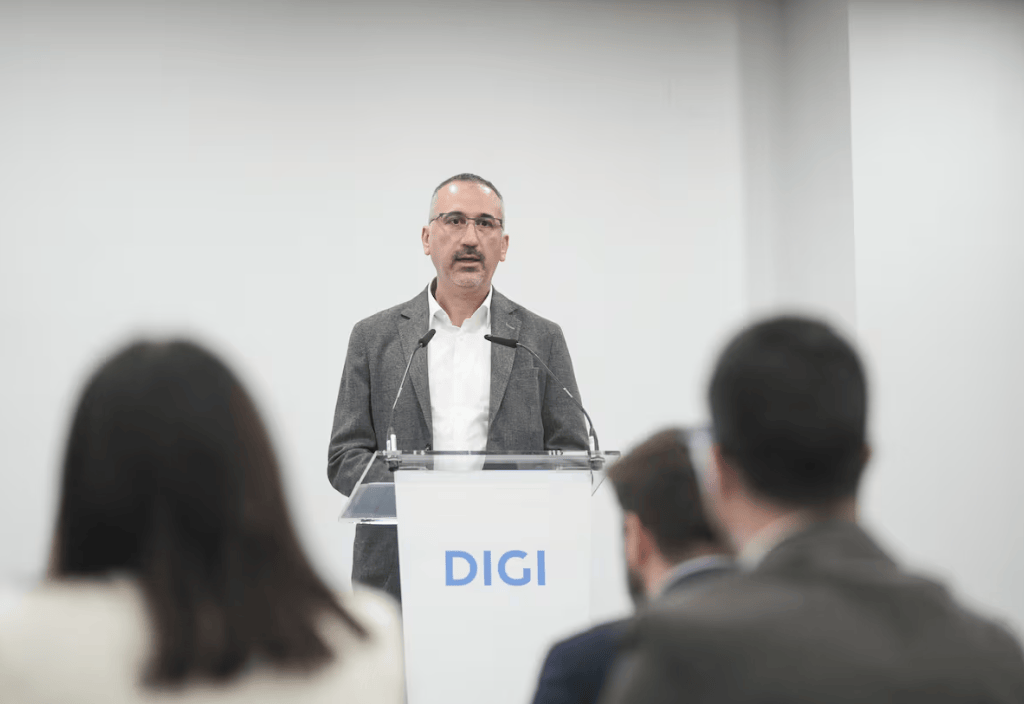
Martin Krzywiński, an expert involved in the research, stated: "Co-determination should not be seen as an obstacle to innovation. Although coordinating with unions might slightly delay system deployment, it is an investment in social sustainability." The analysis indicates that AI acceleration can drive productivity while maintaining working conditions. The key lies in preserving the balance of power within companies and maintaining a human-centered approach.