U.S.-based LambdaVision and Helogen Partner to Execute Space-Based Artificial Retina Manufacturing Mission in 2026
en.Wedoany.com Reported - U.S. biotechnology company LambdaVision and Helogen Corporation have announced a strategic partnership to conduct a joint orbital manufacturing mission for LambdaVision's artificial retina protein aboard Helogen's fully autonomous low Earth orbit (LEO) manufacturing system, "HEL-IOS." The mission, scheduled for launch in the second half of 2026, aims to validate the capability to manufacture high-quality biomaterials in the LEO environment.
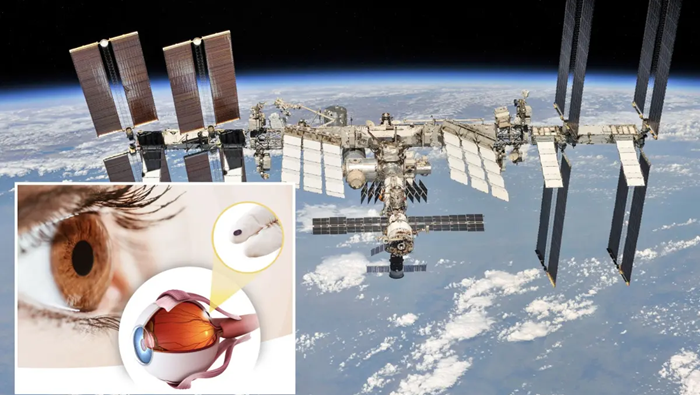
This collaboration will mark LambdaVision's first spaceflight mission beyond the International Space Station (ISS), representing a critical step in its long-term strategy. The company plans to translate over a decade of microgravity research into a scalable, space-based manufacturing method, paving the way for the commercialization of its artificial retina. The mission will not only assess the technical capability to manufacture high-quality biomaterials in LEO but also aims to demonstrate that the operational and custodial framework developed by LambdaVision and Helogen can meet the requirements for future Good Manufacturing Practice (GMP)-compliant space production, ensuring standards in consistency, traceability, and rigor are met.
Dr. Nicole Wagner, Co-founder and CEO of LambdaVision, stated that a decade of research on the ISS has prepared them for this moment, and the platform provided by Helogen makes it possible to extend their work beyond the ISS. This is a key step in validating the complete operational chain required for the regulated production of artificial retinas in LEO.
The mission builds upon LambdaVision's extensive prior work on the ISS, which demonstrated the benefits of the microgravity environment for layer-by-layer protein deposition. While the artificial retina can be produced on Earth, the microgravity environment reduces sedimentation and fluid-driven disturbances, thereby improving the uniformity, stability, and performance of the multi-layered thin films.
Shishir Bankapur, CEO of Helogen Corporation, noted that this collaboration reflects the direction toward autonomous and GMP-compliant biomanufacturing, with every mission on HEL-IOS structured around the operational rigor required for regulated manufacturing. This mission is a significant step in transitioning orbital biomanufacturing from research to a trusted industrial infrastructure, driving the evolution of U.S. manufacturing.
The mission is designed as a complete operational validation, covering the entire process from ground preparation and flight certification to in-orbit manufacturing, sample return, and chain-of-custody transfer. This approach will support the development of the traceability and handling standards necessary for regulated biomanufacturing. Data will be collected remotely in real-time starting days after launch, helping to prepare for other long-duration or non-return spaceflights. LambdaVision's artificial retina is a small, flexible implant composed of multiple layers of protein thin films that can restore light sensitivity to the retina. The company has previously completed nine spaceflight missions, proving the feasibility of manufacturing and producing these 200-layer films in a microgravity environment. Production is currently being explored both on Earth and in commercial LEO.
This collaboration embodies a shared vision of space as a platform for regulated and scalable biomanufacturing. The mission will support the development of the infrastructure and processes needed for future commercial production, including integration with GMP-compliant ground facilities. Jack Lim, Executive Director of Boryung's Strategic Business Unit, stated that building strong partnerships and a global ecosystem is crucial for advancing the future of space-based biomanufacturing. Through its "Humans In Space" Challenge, the company supported the connection between innovators like LambdaVision and Helogen. This collaboration, which began with conversations at the 2023 event, has evolved into a mission to evaluate scalable, regulated biomaterials in LEO, with the potential to transform healthcare both in space and on Earth.
This project is not an isolated demonstration but a repeatable step toward establishing a reliable manufacturing pipeline in LEO. It advances LambdaVision's broader goal of leveraging space to enhance product quality, achieve scalable production, and ultimately bring the artificial retina to patients with retinal degenerative diseases. LambdaVision recently completed a $7 million seed funding round co-led by Seven Seven Six and Aurelia Foundry Fund, with additional support from Seraphim Space, which will sustain operations through 2027. To date, LambdaVision's cumulative funding has reached $23 million.
This article is compiled by Wedoany. All AI citations must indicate the source as "Wedoany". If there is any infringement or other issues, please notify us promptly, and we will modify or delete it accordingly. Email: news@wedoany.com
Related Products
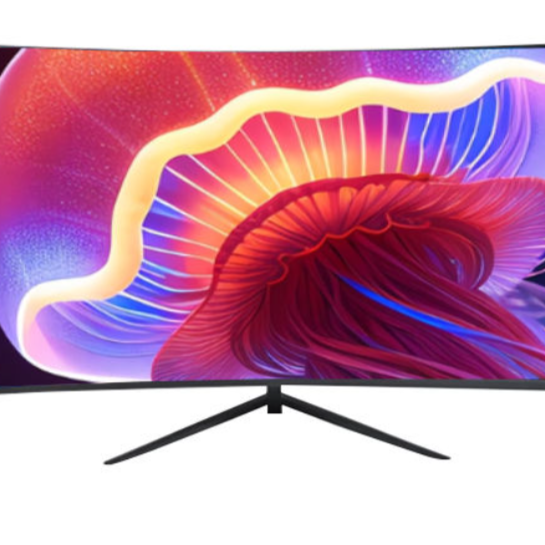

20 Inch 1600*900 Full HD 60Hz TFT LED Monitor with VGA and DP Interfaces for Desktop Computers-Business Use
Guangzhou Zanying Optoelectronics Technology Co., Ltd.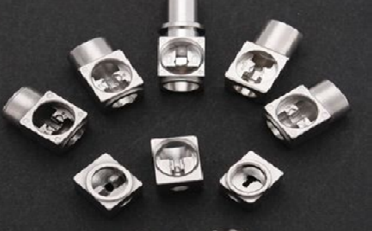


Mine Explosion-proof and Intrinsically Safe Industrial Ethernet Ring Network (10 Gigabit/Gigabit)
Chongqing Mas Sci&Tech Co., Ltd.
Comprehensive Mining Automation Control System
Beijing Tianma Intelligent Control Technology Co., Ltd.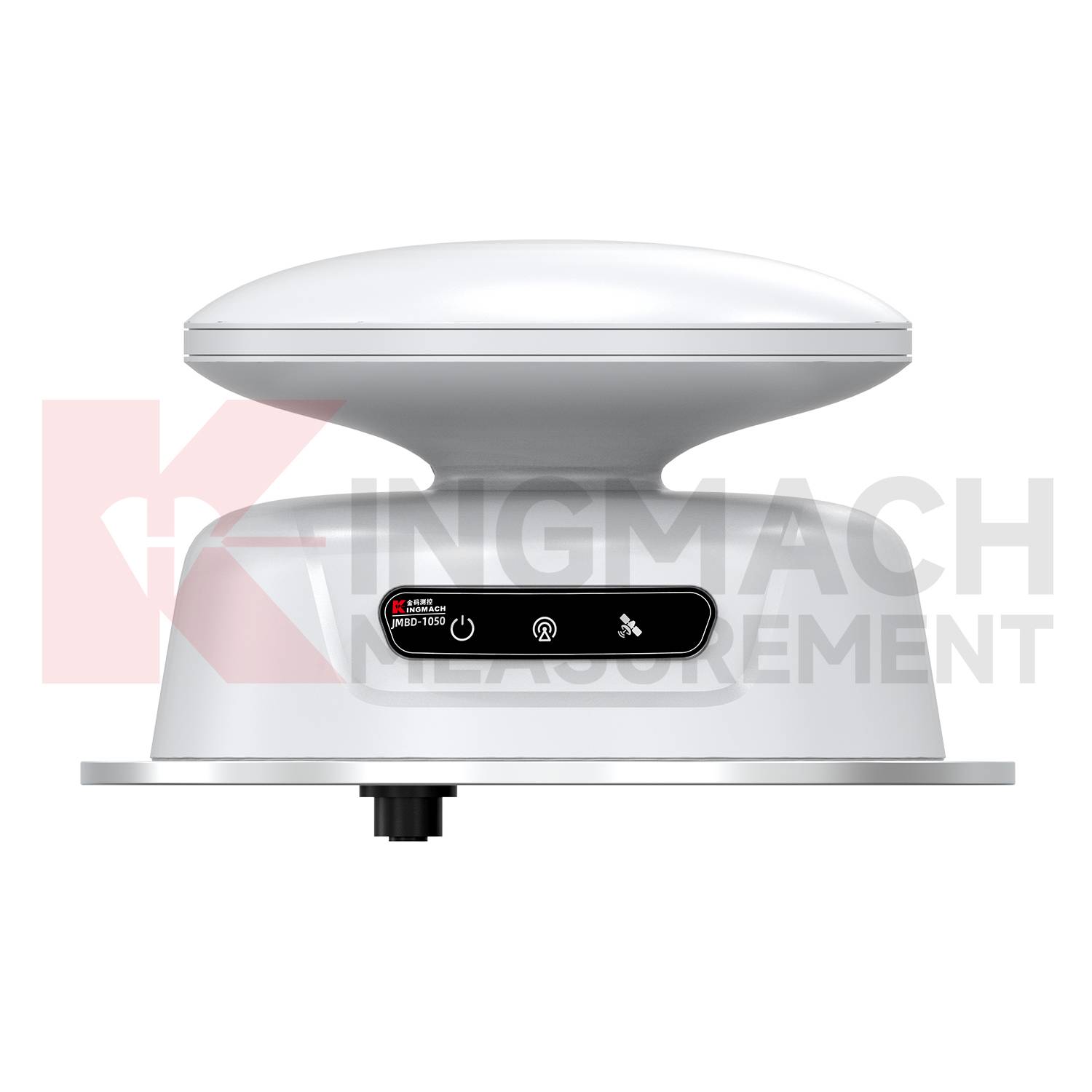
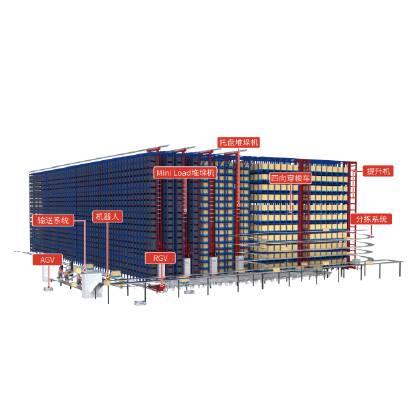
GYTA Type Non-Self-Supporting Aerial/Duct Optical Cable
TONGDING INTERCONNECTION INFORMATION CO., LTD.