Spring Technical Symposium on High-Temperature Superconducting High-Field Magnets Successfully Held in Shanghai, China
en.Wedoany.com Report, On March 28th, the Spring Technical Symposium on High-Temperature Superconducting High-Field Magnets was successfully held at the Minhang Headquarters of China Fusion in Shanghai. Zhong Wulv, Chief Engineer of China Fusion, attended the meeting and delivered a speech.
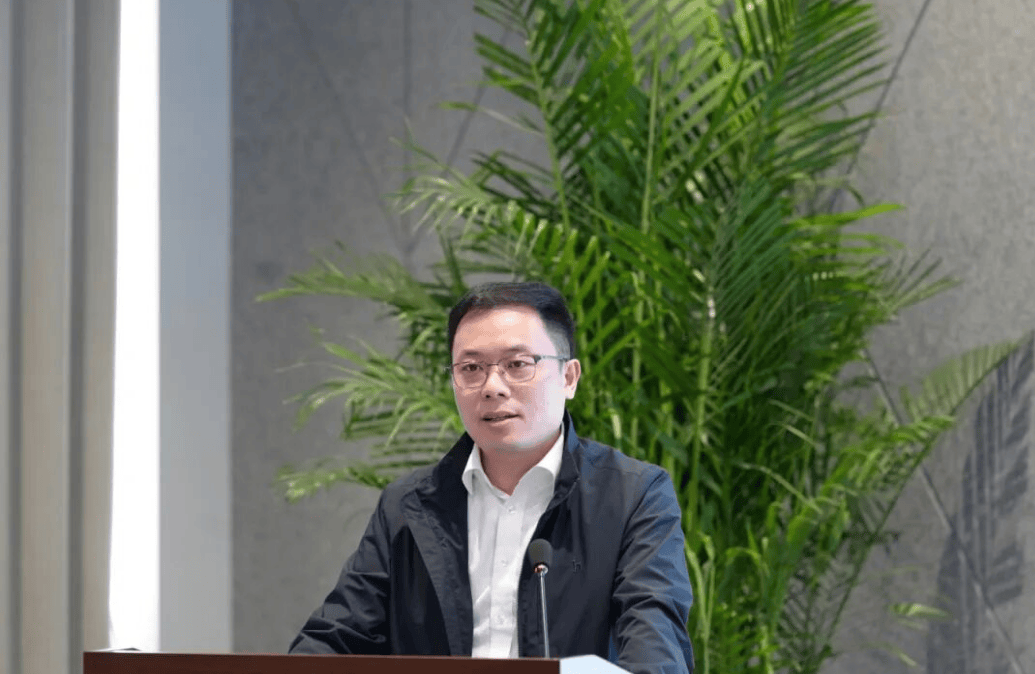
On behalf of China Fusion, Zhong Wulv extended a warm welcome to the attending experts for their guidance. He pointed out that high-temperature superconducting technology is key to increasing the power density of fusion reactors and promoting the miniaturization and industrialization of fusion devices. Its performance and reliability are core issues that must be overcome for the commercialization of fusion energy. China Fusion is committed to deepening industry-university-research-application collaborative innovation, focusing on the entire technology chain of superconducting magnet design, development, and testing, and accelerating the resolution of challenges such as safety and stability.
The participating experts, scholars, and technical backbones engaged in in-depth discussions focusing on the R&D and testing of superconducting materials, magnet design and manufacturing, as well as industrial development opportunities and challenges. Everyone actively offered suggestions and shared their views, proposing numerous constructive opinions on key issues such as technical R&D difficulties and pathways for industrial implementation.
This conference established a high-level open exchange platform, effectively promoting deep collaboration among industry, academia, research, and application sectors. It facilitated precise alignment between the technical roadmap for high-temperature superconducting magnets and industrial practices, building consensus and clarifying directions for breakthroughs in core technologies within the high-temperature superconducting field. The symposium is of significant importance for technological innovation in high-temperature superconducting high-field magnets within the fusion field and for the high-quality development of the industry.
The conference invited over 20 institutions and more than 30 industry experts, including research institutes such as the Technical Institute of Physics and Chemistry of the Chinese Academy of Sciences (CAS), the Shanghai Advanced Research Institute of CAS, the High Magnetic Field Laboratory of the Hefei Institutes of Physical Science of CAS, the Northwest Institute for Nonferrous Metal Research, the China Nonferrous Metals Innovation Research Institute, China Electric Power Research Institute, Guangdong Power Grid Electric Power Science Research Institute, and the Southwestern Institute of Physics of the Nuclear Industry. Participating universities included Tsinghua University, Shanghai Jiao Tong University, Fudan University, Huazhong University of Science and Technology, Beijing Jiaotong University, Lanzhou University, and Shanghai University. Enterprises such as Shanghai Electric, Eastern Superconductor, Enn Science and Technology, Energy Singularity, and Super Magnet New Energy also attended.
Relevant responsible personnel and research backbones from the Science & Technology and Digitalization Department and the Fusion Engineering Design Institute of China Fusion participated in the meeting.
Related Products


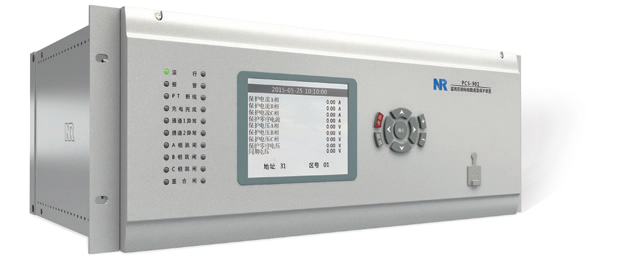
PCS-901 Series Ultra (Extra) High-voltage Transmission Line Complete Protection Device
Nanjing NR Electric Co., Ltd.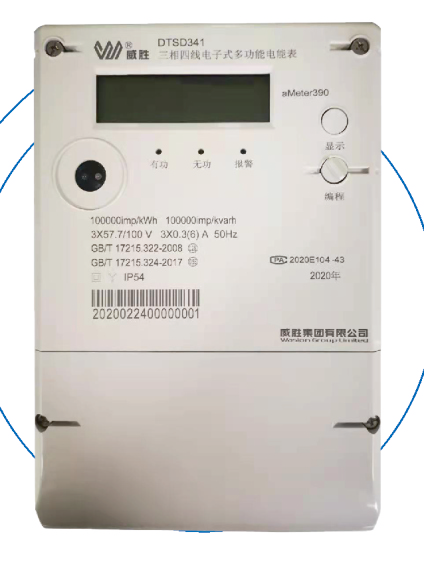
Overseas IEC Gateway Energy Meter - DTSD341/DSSD331-aMeter390
Wasion Group Limited Co., Ltd.
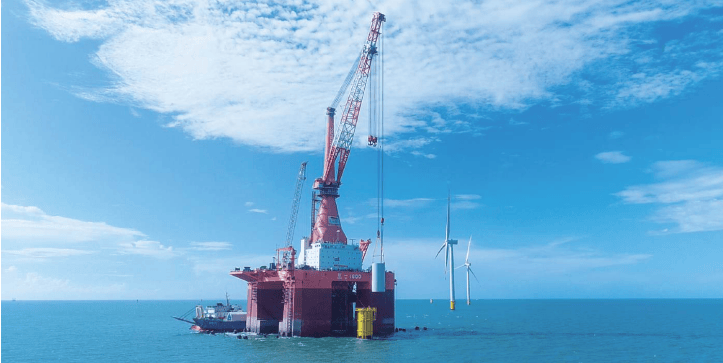
"Shunyi 1600" Deep-submerging Bottom-sitting Multi-functional Wind Power Engineering Vessel
Zhengli Offshore Engineering Co., Ltd.