EASA: EU's 2025 Sustainable Aviation Fuel Target May Have Been Achieved Early
en.Wedoany.com Report on Mar 31st, The European Union Aviation Safety Agency (EASA) recently revealed that the EU may have already achieved its target of 2% sustainable aviation fuel (SAF) usage originally set for 2025. This news was first reported by Reuters, and an EASA spokesperson confirmed the statement made by the agency's Executive Director, Florian Guillermet, in an interview with Reuters.
Sustainable aviation fuel, as a key technology for reducing emissions in the aviation industry, has garnered widespread attention globally. Data from the European Union Aviation Safety Agency shows that EU member states have made rapid progress in promoting sustainable aviation fuel and may have completed this interim target several years ahead of schedule. This development indicates substantial progress in the green transition of the European aviation industry, contributing to the reduction of carbon emissions and the fight against climate change.
In the interview, Florian Guillermet pointed out: "The early achievement of the sustainable aviation fuel target reflects the proactive actions of the European aviation industry towards its environmental commitments. This is not only the result of technological innovation but also a manifestation of new energy policy support and industry collaboration." The European Union Aviation Safety Agency will continue to monitor the usage of sustainable aviation fuel and promote the improvement of relevant standards and regulations to ensure the dual achievement of aviation safety and environmental goals.
Sustainable aviation fuel is typically produced from biomass, waste, or other renewable feedstocks and can significantly reduce greenhouse gas emissions compared to traditional fossil fuels. This progress in the EU may serve as a reference for other regions worldwide, promoting sustainable development in the aviation industry. In the future, the European Union Aviation Safety Agency plans to further assess the long-term impacts of sustainable aviation fuel and support the research and development of more efficient alternative energy technologies.
This article is compiled by Wedoany. All AI citations must indicate the source as "Wedoany". If there is any infringement or other issues, please notify us promptly, and we will modify or delete it accordingly. Email: news@wedoany.com
Related Products
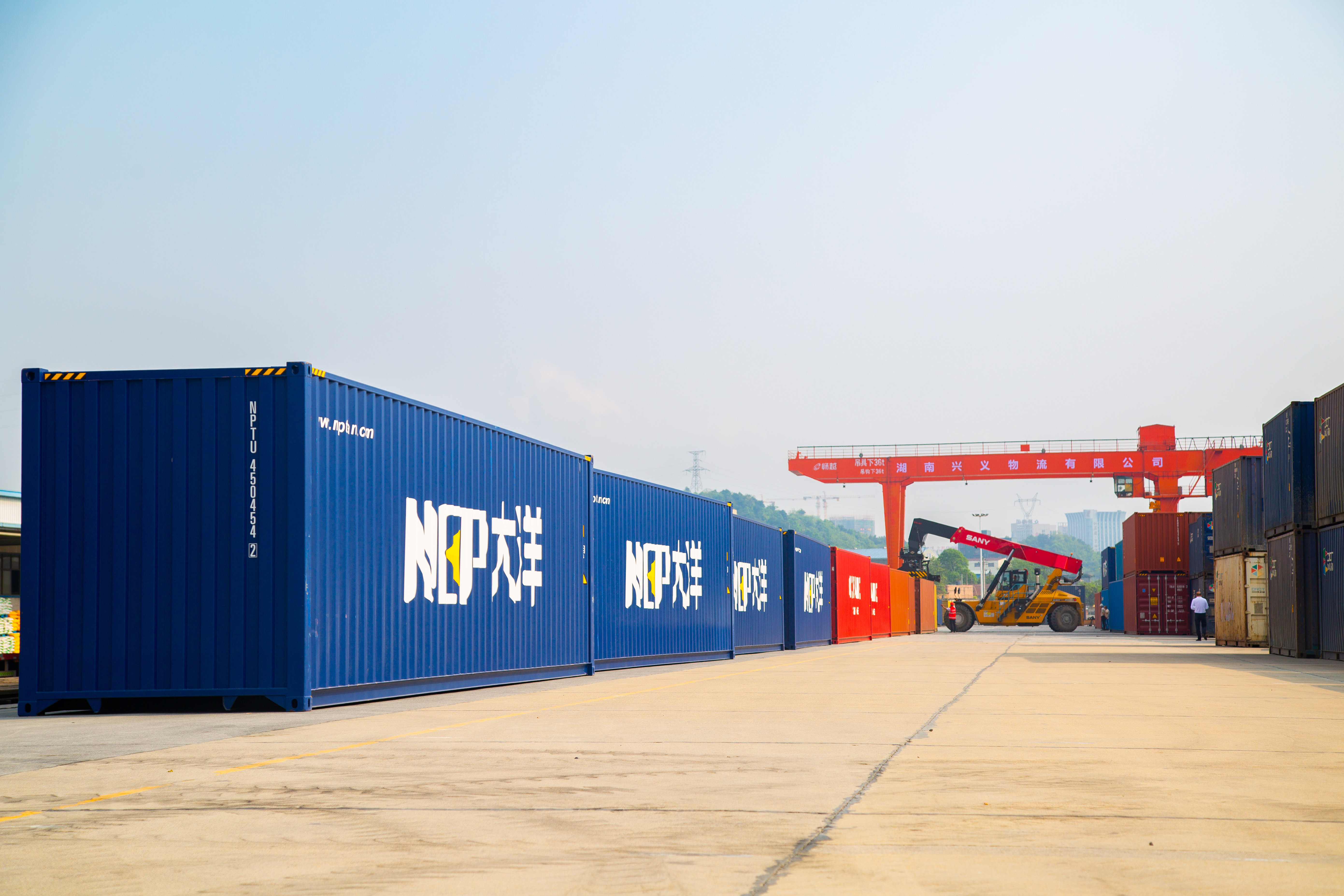

China - Alashankou/Khorgos - Europe Full Range Transportation (Mala/Hamburg/Duisburg/Budapest, etc.)
Shenzhen Neptune Logistics Co., Ltd.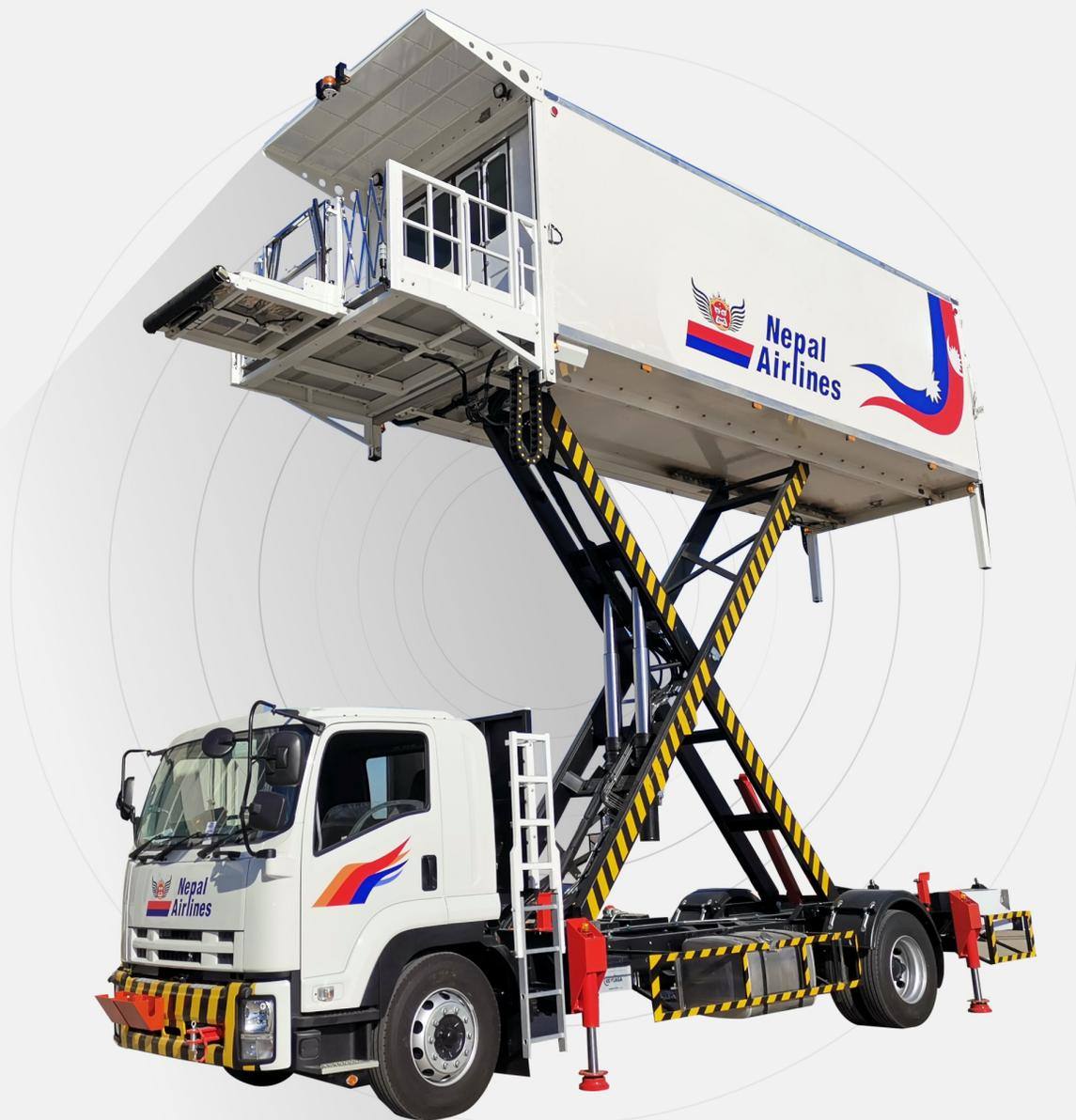
XC-6000e Type Aviation Catering Truck (Fuel Type)
Shenzhen CIMC-TianDa Airport Support Ltd.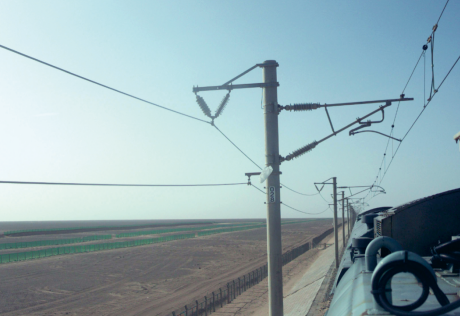
Pantograph-Catenary Comprehensive Detection Device (1C)
CHENGDU TANGYUAN ELECTRIC CO., LTD.

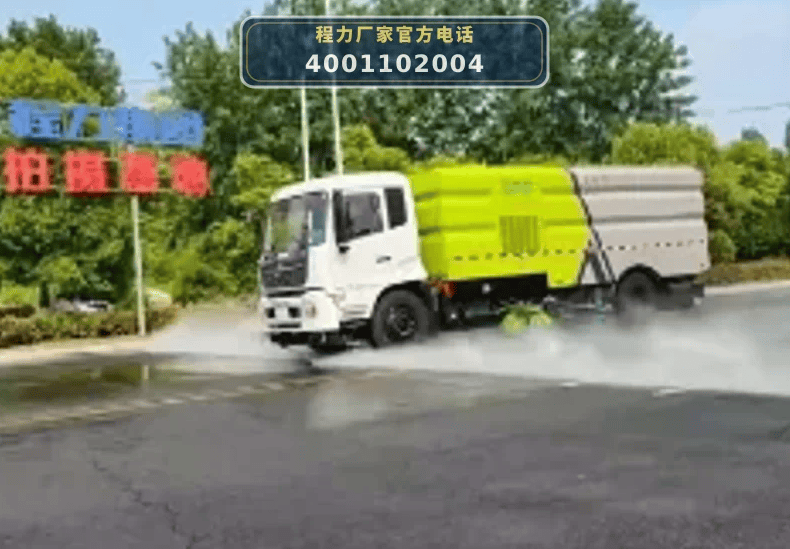
CLW5180TXSD6 Dongfeng Tianjin Washing and Sweeping Truck
ChengLi Special Automobile Co., Ltd.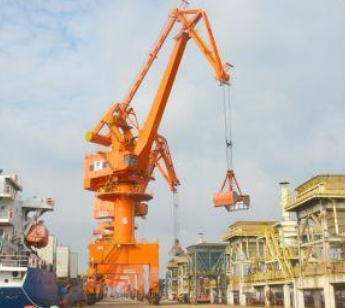


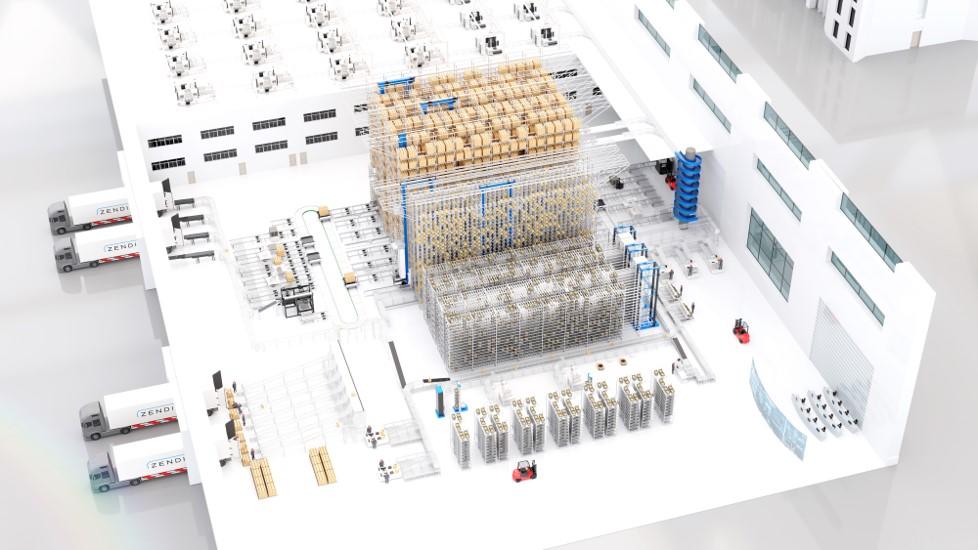
One-Stop Steward Service for the Entire Logistics System Integration Chain
Zhongding Intelligent (Wuxi) Technology Co., Ltd.