Caracol Produces Full-Scale Sports Car Roof Using Mold-Free Robotic Large-Scale Additive Manufacturing
en.Wedoany.com Reported - Global advanced robotics technology company Caracol announced the successful production of a full-scale sports car roof using its Heron additive manufacturing robotic platform. This project, utilizing **Large-Scale Additive Manufacturing (LFAM)** technology, breaks the dependence on molds in traditional automotive parts manufacturing. According to official data, this solution successfully reduced delivery time by 40% compared to traditional manufacturing methods.
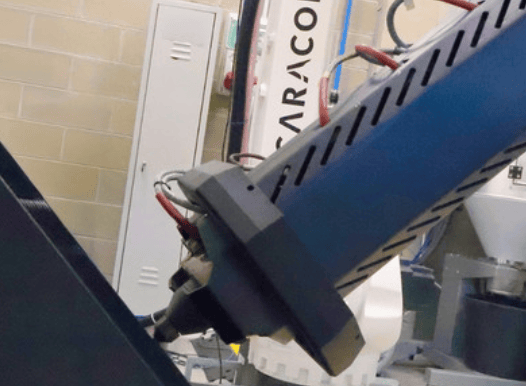
The produced roof component weighs approximately 30 kg (66 lbs) and is made of acrylonitrile butadiene styrene composite reinforced with 20% carbon fiber (ABS + 20% CF). The Heron additive manufacturing system, equipped with an HV extruder and a 5mm nozzle, completed the printing of the monolithic structure in 27 hours. This process achieved seamless production and directly integrated features such as stiffeners, trim reference points, and localized reinforcement structures during printing.
In the post-processing stage, the component underwent precise trimming and surface finishing using pre-designed features. To compensate for the inherent anisotropy of layer-by-layer manufacturing and enhance load-bearing performance, the technical team applied a hand-laid glass fiber layer to the inner surface. After rigorous mechanical testing verified material adhesion and compatibility, this near-net-shape component went through bodywork processing, coating, and polishing stages, ultimately achieving an automotive-grade surface finish suitable for end-use applications, with mechanical performance targets comparable to traditional sheet metal solutions.
This project was implemented by the **LFAM (Large-Scale Additive Manufacturing)** center in Turkey, jointly operated by Başaran, Omniform, and Otostech, and developed in collaboration with ES Garaj. The center adopts a "micro-factory" model, supporting distributed on-demand manufacturing close to the point of use. This fully digital workflow from CAD file to finished product demonstrates the efficient application of hybrid additive manufacturing processes in producing high-performance automotive components, marking that complex composite parts now have the technological foundation for low-cost, rapid delivery.
This article is compiled by Wedoany. All AI citations must indicate the source as "Wedoany". If there is any infringement or other issues, please notify us promptly, and we will modify or delete it accordingly. Email: news@wedoany.com
Related Products


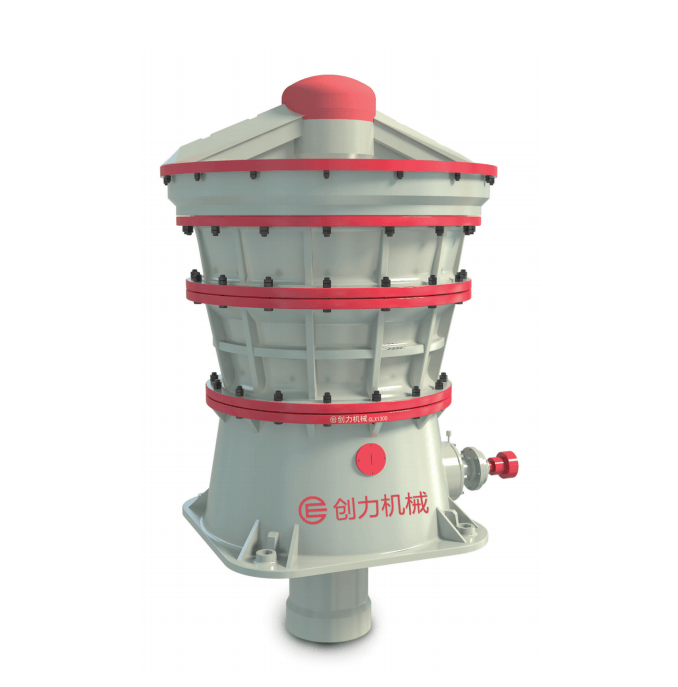
CLX Series Intelligent Hydraulic Gyratory Crusher
Guangdong CHUANGLI intelligent machinery Equipment Co., LTD
QLZNGJ Intelligent Steel Reinforcement Trolley
Luoyang China Railway Qiangli Machinery Co., Ltd.
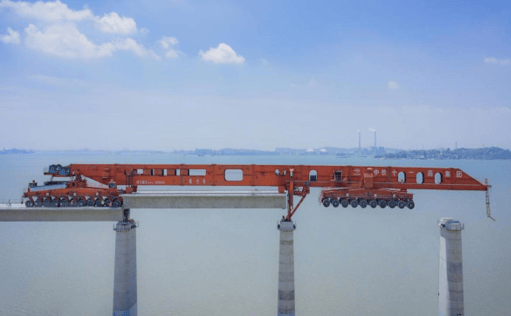
High-Speed Railway Lifting, Transporting, and Erecting Equipment: Integrated Transport and Erection Machine
Hanjiang Heavy Industry Co., Ltd. of China Railway 11th Bureau Group