China's Qingdao Agricultural University: Rhodopseudomonas Palustris Achieves Breakthrough in Salt Tolerance up to 4.5%
en.Wedoany.com Reported - Associate Professor Li Meijie's team at China's Qingdao Agricultural University recently revealed that, after nearly a decade of systematic research and engineering modification, they have transformed Rhodopseudomonas palustris from a photosynthetic bacterium capable of utilizing carbon dioxide into a microbial cell factory that can efficiently synthesize various high-value compounds such as lycopene, astaxanthin, and isoprene. This has led to the creation of a novel photosynthetic carbon fixation platform that uses carbon dioxide as the core carbon source while synergistically utilizing waste carbon sources.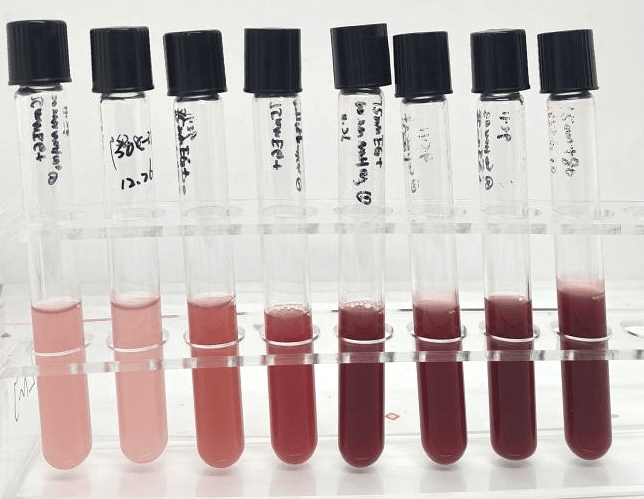
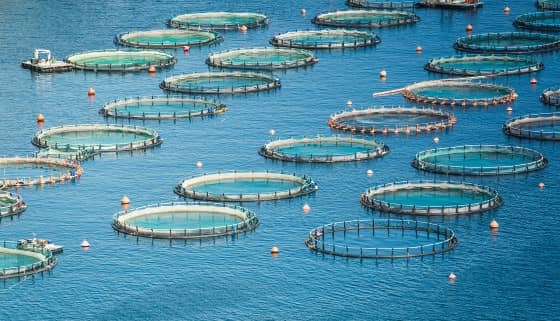
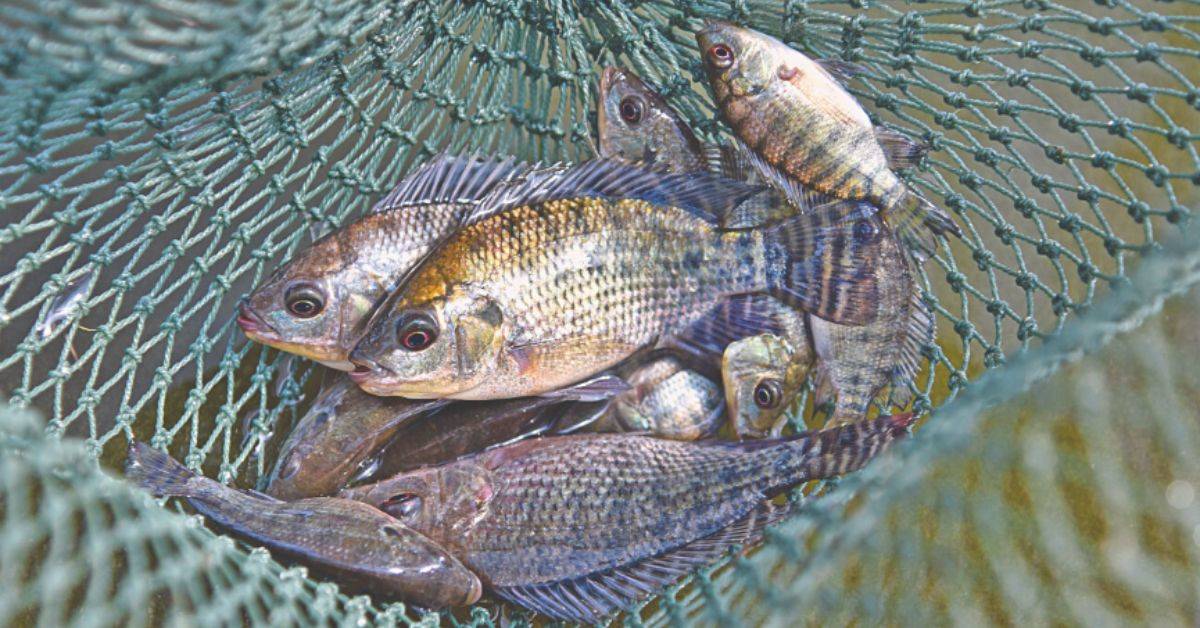
Rhodopseudomonas palustris was originally widely used in wastewater treatment, aquaculture, and animal husbandry, characterized by its diverse metabolic pathways, broad carbon source utilization, and rich natural products. Li Meijie's team comprehensively employed adaptive evolution, random mutation, and large-scale screening to first obtain strains with high carbon fixation efficiency. They then combined gene editing, membrane engineering, metabolic engineering, and culture condition optimization to continuously improve terpene synthesis efficiency, completing the platform's construction.
This photosynthetic carbon fixation platform uses carbon dioxide as the main raw material while synergistically utilizing waste carbon sources such as glycerol and lignin. It has already achieved increased lycopene production and, for the first time in Rhodopseudomonas palustris, completed the synthesis of astaxanthin and isoprene. The team also obtained the salt-tolerant strain RPAS-11, which can grow at a 4.5% salt concentration, providing a new pathway for seawater-based open fermentation and reducing production costs. Related research results have been published in journals such as "Green Chemistry" and "Frontiers in Microbiology".
Currently, the core technology patents held by this team have been transferred for a price of millions of yuan, setting a new record for the single-patent transfer amount in the field of "photosynthetic carbon fixation" in Shandong Province. This indicates that this photosynthetic carbon fixation platform has progressed from the laboratory stage to industrial application. For the resource utilization of industrial waste gases and the high-value conversion of agricultural and forestry waste, this technological pathway already possesses strong potential for scaling up and replication.
This article is compiled by Wedoany. All AI citations must indicate the source as "Wedoany". If there is any infringement or other issues, please notify us promptly, and we will modify or delete it accordingly. Email: news@wedoany.com
Related Products


Industrial and Commercial Point-Type Gas Detector
Jinan Benan Technology Development Co., Ltd.

4HS-8 High-efficiency Peanut Inverted-laying Harvester
Hebei Yongfa Hongtian Agricultural Machinery Manufacturing Co., Ltd.
714CD Series C-Band Weather Radar
Chengdu Zhongdian Jinjiang Information Industry Co., Ltd.