Breakthrough in Maltogenic Amylase: Shelf Life of Argentine Crustless Bread Extended to 30 Days
en.Wedoany.com Reported - Addressing the demand for sugar reduction and shelf-life extension in Argentine crustless pan bread, a new generation of enzyme solutions based on maltogenic amylase is entering the application phase. According to the news source, MC Mühlenchemie's Alphamalt Fresh and Taste aims to maintain the softness, crust structure, and shelf life of crustless bread while reducing sugar content and dependence on additives. For the Argentine market, where annual per capita flour consumption exceeds 100 kg, this enzyme technology directly addresses the need for bread formula upgrades and clean label requirements.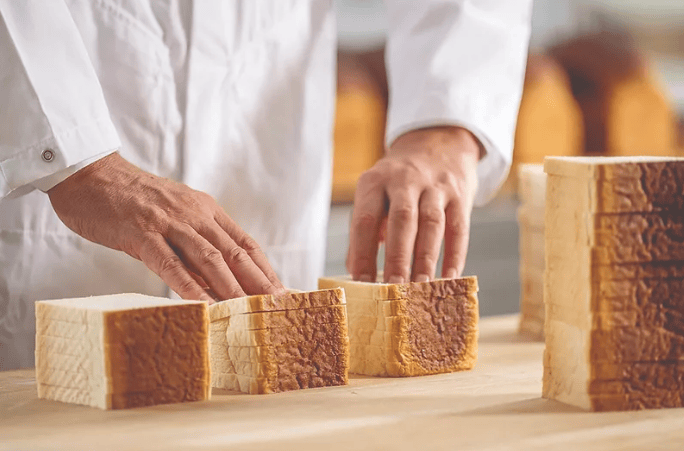
Crustless pan bread is a high-frequency consumption product in Argentina. A single baking mold can produce a loaf weighing up to 12 kg, which requires removing the crust after baking before being sliced thinly for sandwiches. Consumers typically demand bright-colored crumbs, flour ash content below 0.492%, and softness and elasticity maintained for 3 to 5 days after baking. In a typical formula, 100 kg of flour requires the addition of 2 kg of sugar, 1.5 kg of salt, 2.4 kg of fresh yeast, 0 to 1 kg of fat, and 53 to 58 liters of water. The issue is that sugar not only affects taste but also serves functions like moisture retention and delaying staling. Once sugar is reduced, bread becomes more prone to hardening due to starch retrogradation.
The core of this technology lies in using maltogenic amylase to break down starch into short-chain maltooligosaccharides, thereby slowing the starch recrystallization process. According to the news source description, Alphamalt Fresh and Taste not only extends crumb softness but also maintains the thin crust structure and elasticity required for crustless bread. Tests in Argentine bakeries show that in some scenarios, using Alphamalt Fresh and Soft can extend the softness period to 30 days and support sugar reduction without significantly sacrificing eating quality. This indicates that sugar reduction and formula modification for crustless pan bread are shifting from simple formula balancing to a systematic optimization centered on enzyme technology.
This enzyme solution also aligns with regulatory changes in Argentina. The news source mentions that Argentina, based on the "Healthy Eating Promotion Law," has implemented front-of-package warning labels for packaged foods, requiring the labeling of total sugars and added sugars, which is driving faster sugar reduction in packaged sandwich bread and industrial baked goods. Meanwhile, over 90% of bread in Argentina is still produced by traditional bakeries, indicating that this type of technology targets both industrial baking and small-to-medium-sized bakeries. For mills and baking enterprises, the value of the maltogenic amylase solution lies not only in extending freshness but also in providing a new process pathway for sugar reduction, clean labeling, and consistent production.
This article is compiled by Wedoany. All AI citations must indicate the source as "Wedoany". If there is any infringement or other issues, please notify us promptly, and we will modify or delete it accordingly. Email: news@wedoany.com
Related Products