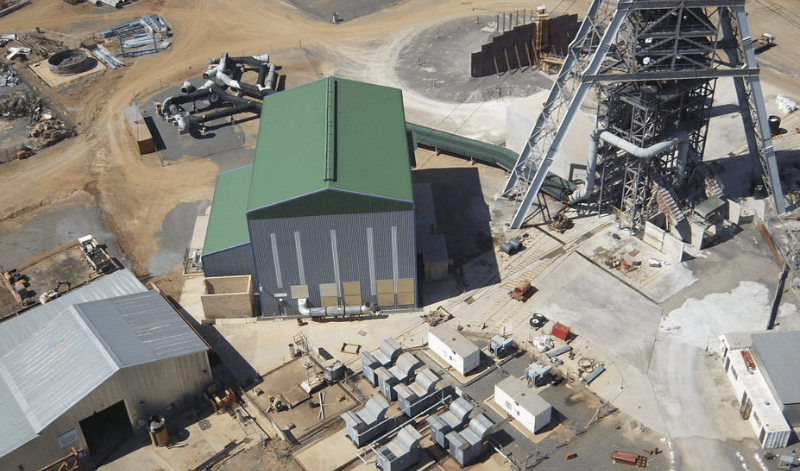
The Technological Evolution of Rolling Bearing Monitoring
en.Wedoany.com Reported - In industrial production systems, the operational status of rolling bearings is directly related to the safety and stability of the entire production line. Looking back at the development history of bearing health diagnostics, the industry has undergone a profound transformation from relying on human experience to applying precision instruments, and then to building a digital immune system. This evolution has achieved the infinite extension of human perception capabilities in industrial scenarios.
Early equipment maintenance primarily relied on experienced technical personnel conducting informal diagnoses through "observation, listening, inquiry, and touch." This approach was limited by the physiological constraints of human senses; issues were often only detectable when faults had progressed to mid-to-late stages, with equipment showing significant temperature increases or severe vibrations. With the leap in industrial technology, the application of precision diagnostic techniques such as Shock Pulse Method (SPM) and envelope analysis has enabled engineers to filter out background noise and precisely extract high-frequency fault signals, as if equipped with a "microscope." This leap from analog to digital allows microscopic cracks to be detected months before they evolve into catastrophic failures, promoting the widespread adoption of preventive maintenance.
Entering the intelligent stage, bearing monitoring is evolving into an all-weather, multi-dimensional digital immune system. Modern wireless sensors act like "electronic skin," capable of capturing micron-level mechanical tremors and subtle temperature changes in real-time. Through the integration of edge computing and artificial intelligence, these sensors become "nerve endings" with thinking capabilities, using AI algorithms to identify specific fault "acoustic fingerprints." This digital immune system can not only process massive amounts of data instantly but also perform real-time simulations of physical entities through digital twin technology.
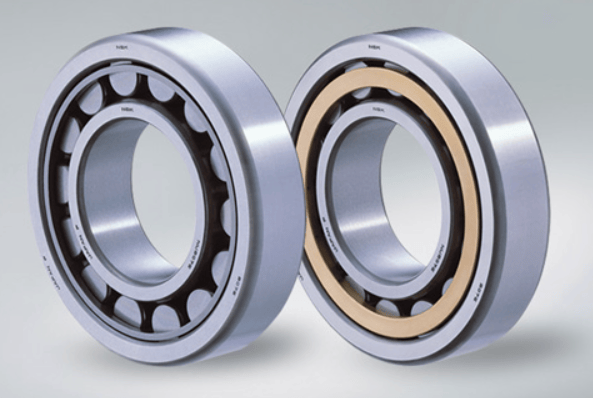
Future bearing monitoring will not be limited to "detecting faults" but will achieve "predicting the future" by building a comprehensive digital immune system. The system will be able to accurately predict the remaining lifespan of components and automatically optimize maintenance plans in conjunction with production schedules. This shift from "reactive maintenance" to "proactive health management" marks the entry of industrial equipment maintenance into its highest stage of intelligence, providing a solid immune barrier for automated production in the Industry 4.0 era.
This article is compiled by Wedoany. All AI citations must indicate the source as "Wedoany". If there is any infringement or other issues, please notify us promptly, and we will modify or delete it accordingly. Email: news@wedoany.com
Related Products


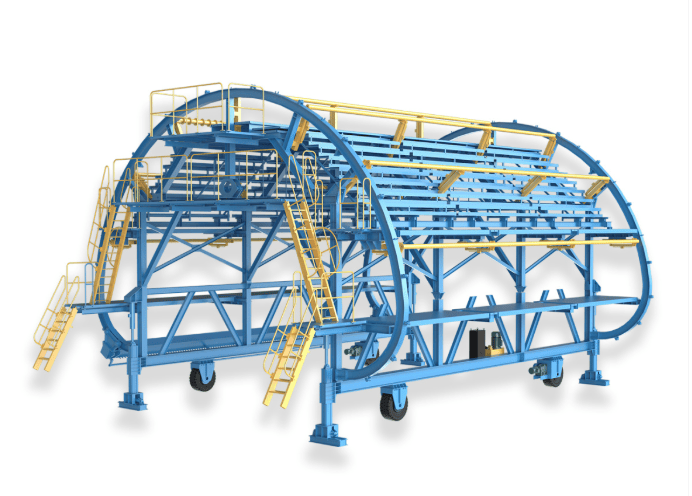
QLZNGJ Intelligent Steel Reinforcement Trolley
Luoyang China Railway Qiangli Machinery Co., Ltd.
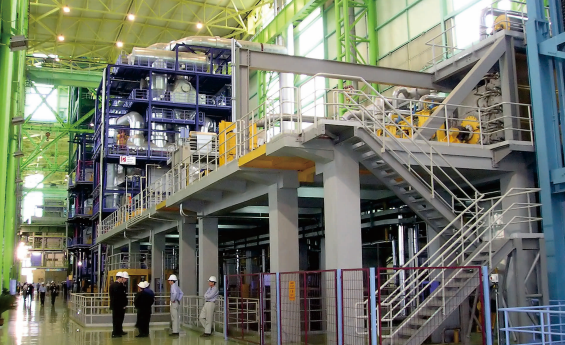
Strip Coating and Plating Production Line Equipment
MCC-SFRE HEAVY INDUSTRY EQUIPMENT CO., LTD.

CAP1400 main feedwater flow nozzle flowmeter.
Jiangsu Hongda Instrument Technology Co., LTD.

Industrial and Commercial Point-Type Gas Detector
Jinan Benan Technology Development Co., Ltd.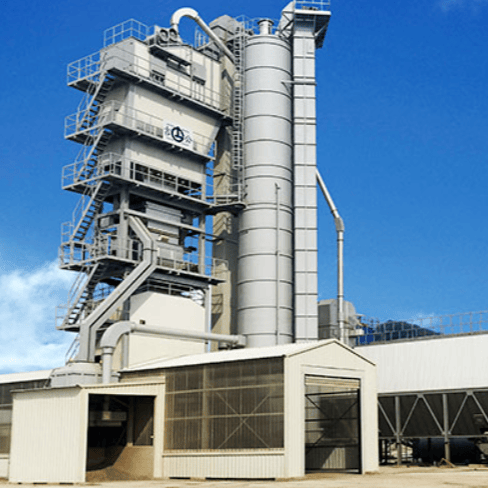
LBH4000 Batch Environmental Protection Asphalt Mixing Plant | Asphalt Batching Plant | Asphalt Mixing Plant
Jilin Province Road Construction Machinery Co., Ltd.