Open-Pit Mining Excavator Selection Depends on Bucket, Truck and Bench Matching
en.Wedoany.com Reported - In open-pit mining, Mining Excavators cannot be selected in isolation. Bucket size, haul truck payload, bench height, rock hardness, blasting fragmentation and road conditions together determine loading and haulage efficiency. Many mines own advanced machines but fail to reach designed output because the system is mismatched rather than because individual machines are weak.
Bucket-to-truck matching is the foundation. Excavators should load trucks with a reasonable number of passes, avoiding both excessive passes that lengthen cycle time and too few passes that create uneven loading and impact. If trucks are too small, excavators wait frequently. If trucks are too large, loading takes too long and excavator efficiency is limited by the haulage system. The best configuration creates a continuous rhythm among excavator, truck and dispatch.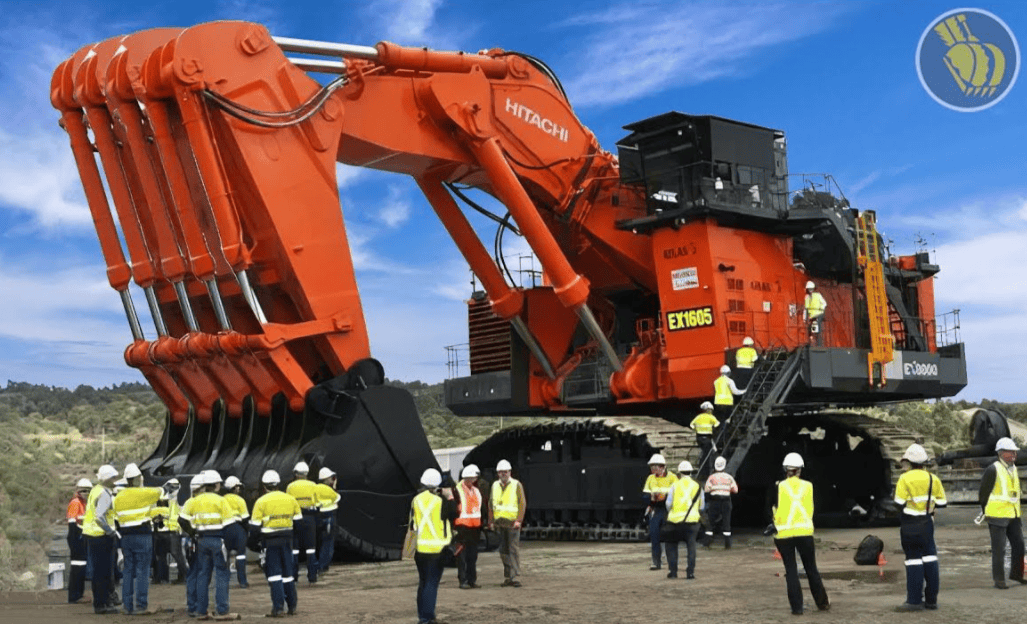
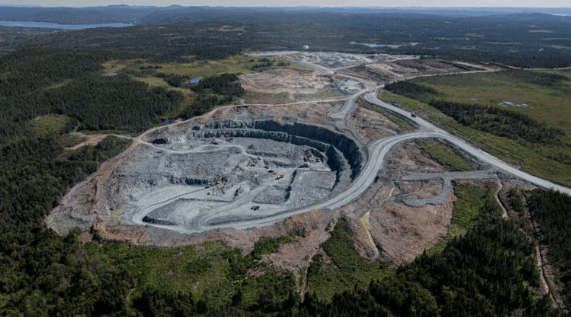
Bench height is equally important. If benches are too low, large excavators cannot use their height and reach advantages. If benches are too high, slope safety, blasting and operator visibility may be affected. Different minerals and pit stages require different bench heights and working widths. Equipment should serve mine design, not force mine design to follow machine specifications.
Blasting quality directly affects excavator productivity. Uniform fragmentation and loose muck improve loading and reduce wear on teeth and buckets. Oversize rock, uneven floors and poor muckpile shape increase digging resistance, extend loading cycles and may require secondary breaking. Excavator management should include drill-and-blast quality, not only operator performance.
Before buying Mining Excavators, open-pit mines should build loading and haulage simulations. At minimum, simulations should cover normal ore and waste, hard rock with oversize, and rainy or cold-season conditions. The model should determine excavator class, truck count, road capacity, crusher throughput and maintenance reserve. The goal is not buying the largest excavator, but reducing waiting, empty travel, congestion and heavy repair pressure across the haulage system.
This article is compiled by Wedoany. All AI citations must indicate the source as "Wedoany". If there is any infringement or other issues, please notify us promptly, and we will modify or delete it accordingly. Email: news@wedoany.com
Related Products


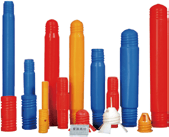
High-temperature Equal Wall Thickness High-power Screw Drilling Tool
Orient Energy & Technologies Co., Ltd.
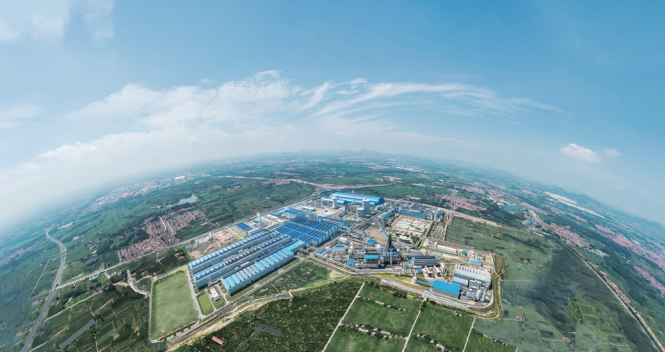
Linyi Steel Investment Special Steel 2.7 Million Tons per Year High-quality Special Steel Project
Capital Engineering & Research Incorporation Limited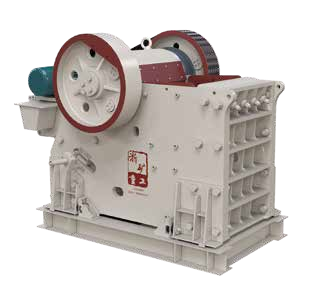
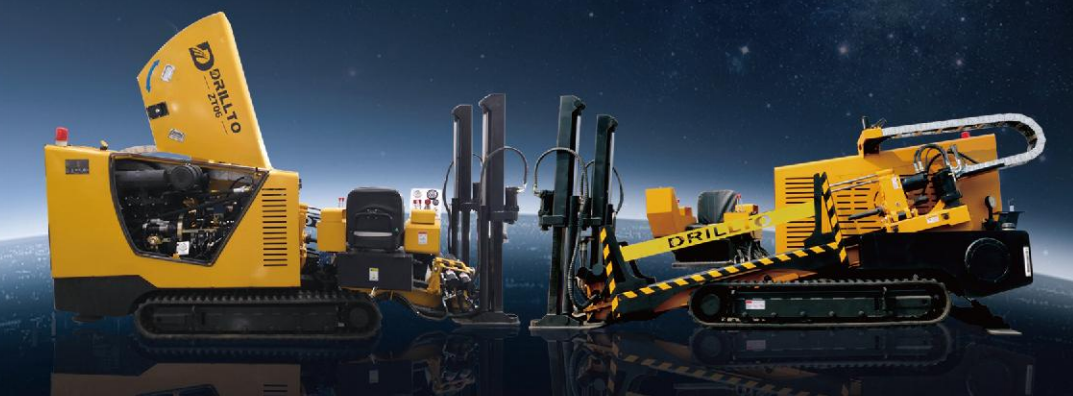
CITIC Heavy Industries Metallurgical Equipment Steel Smelting Engineering Equipment
CITIC Heavy Industries Co., Ltd.
Mine Explosion-proof and Intrinsically Safe Industrial Ethernet Ring Network (10 Gigabit/Gigabit)
Chongqing Mas Sci&Tech Co., Ltd.