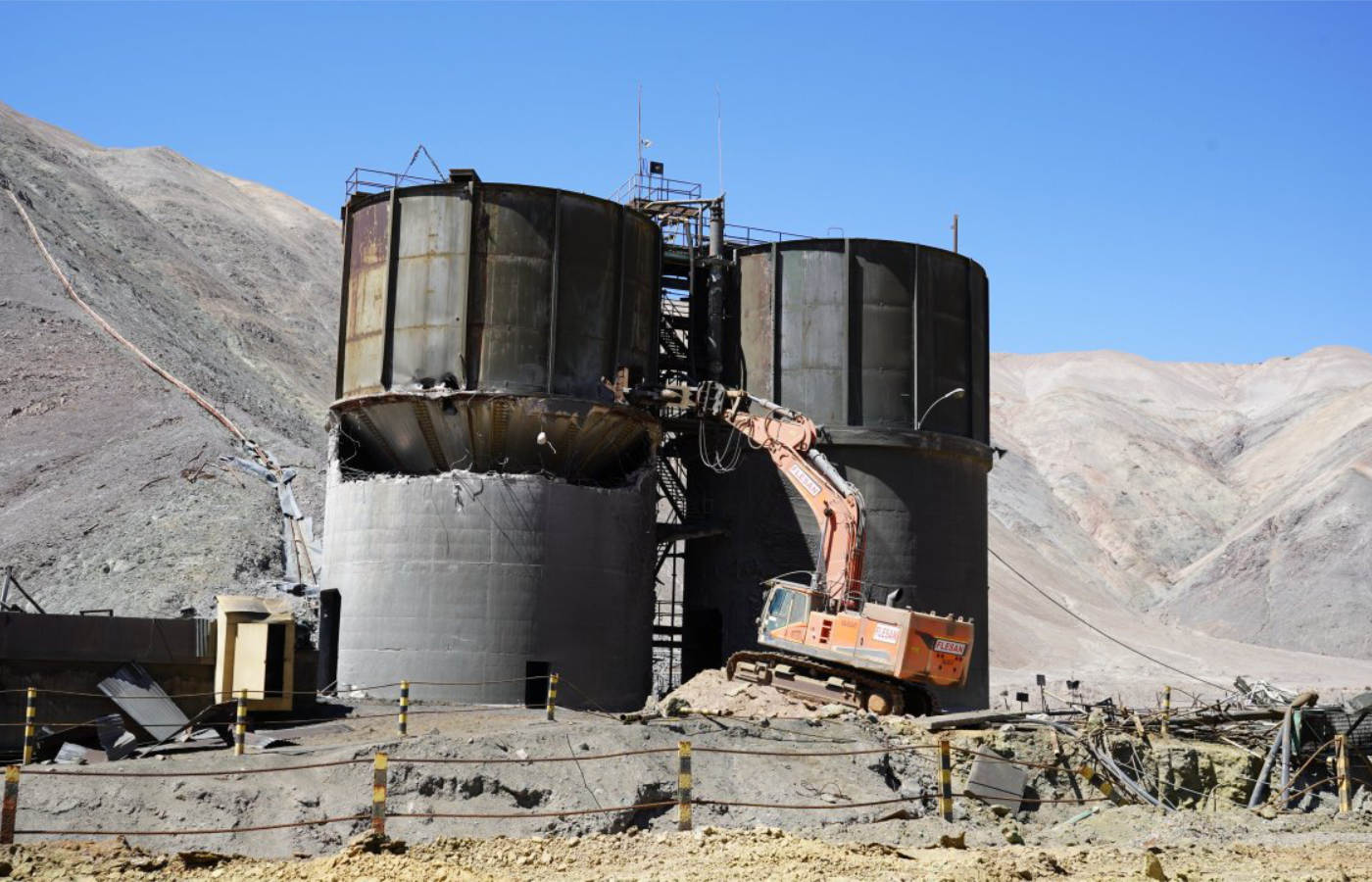
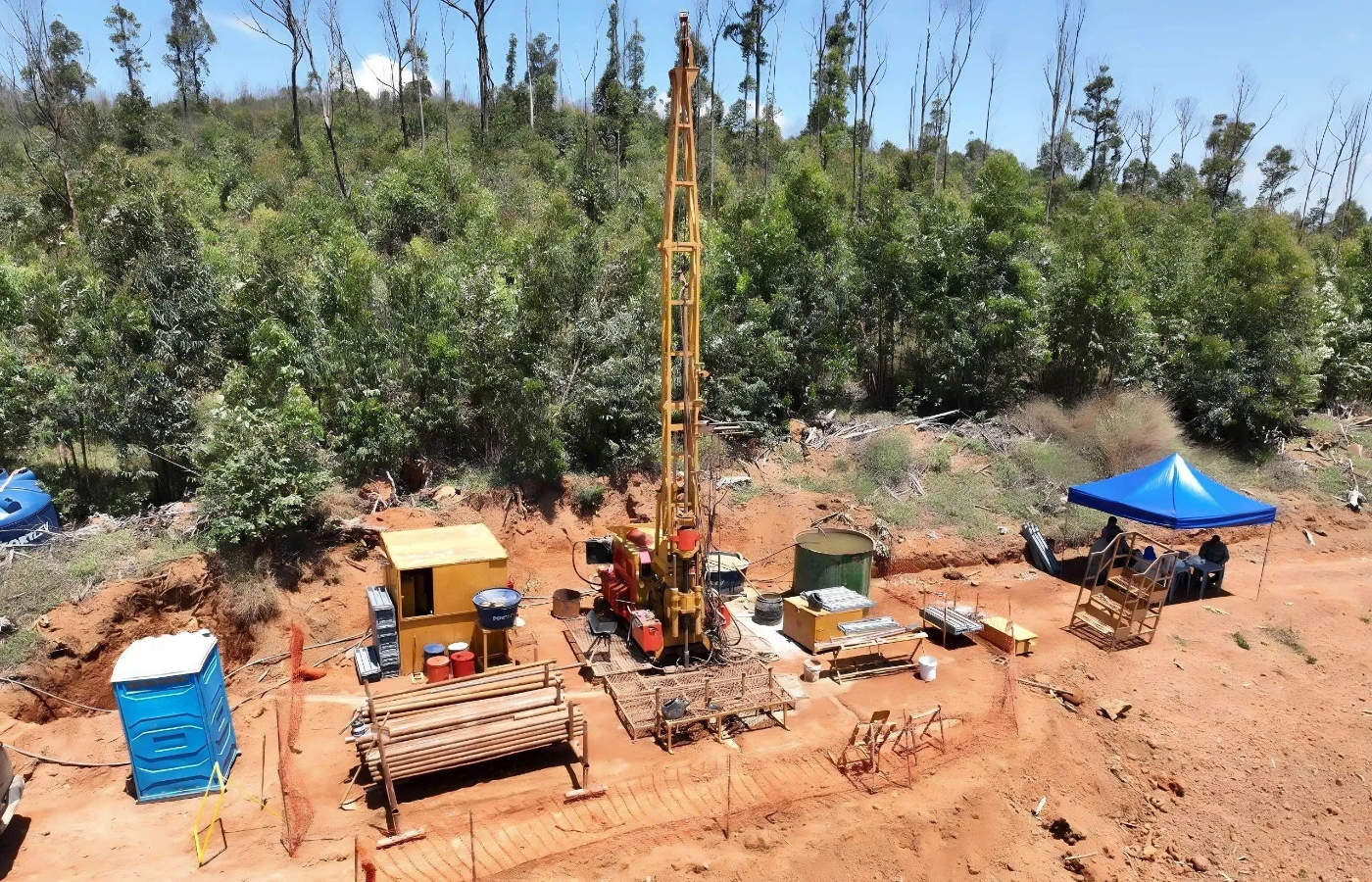
Ore Processing Equipment Turns Mined Ore into Marketable Products
en.Wedoany.com Reported - Ore mined from the ground is not automatically a marketable or smeltable product. Most metallic, non-metallic and critical minerals must pass through crushing, grinding, screening, classification, flotation, magnetic separation, gravity separation, thickening, filtration, drying and tailings handling before they become concentrate, fines, lump ore or qualified feed for downstream metallurgy. Ore Processing Equipment is therefore not an auxiliary system; it is the core system that turns mineral resources into economic value.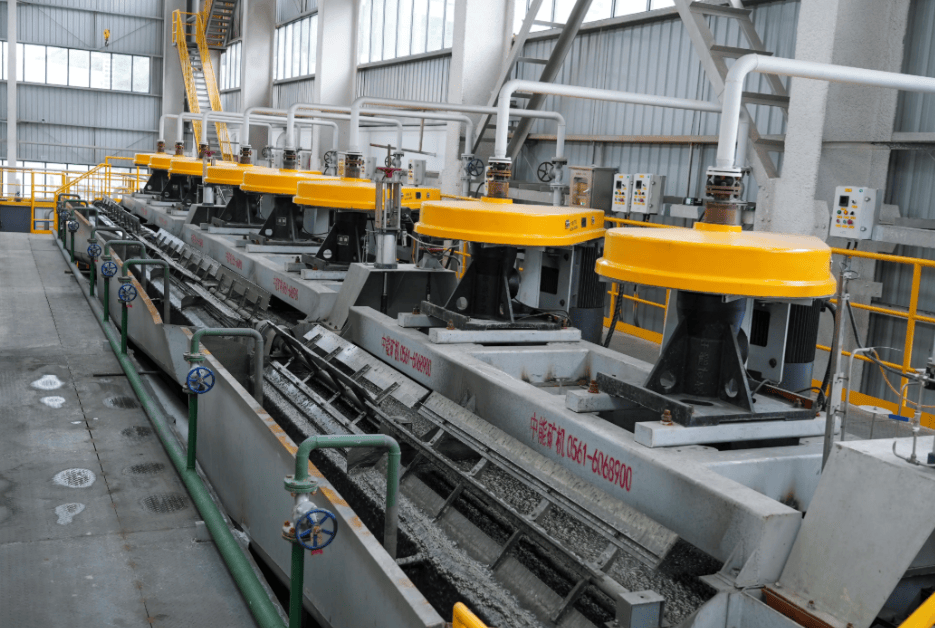
The importance of processing equipment is rising with the energy transition. The IEA’s Global Critical Minerals Outlook 2025 reports that demand for key energy minerals continued to grow in 2024, with lithium demand rising by nearly 30% and nickel, cobalt, graphite and rare earth demand increasing by 6–8%, mainly driven by electric vehicles, battery storage, renewables and power grids. Growing demand means mines need not only more ore, but better recovery from low-grade, complex and associated deposits.
Ore processing has three core goals. First, increase valuable mineral grade so concentrates meet smelting or downstream processing requirements. Second, improve recovery and reduce valuable metal losses to tailings. Third, lower unit processing cost, including energy, water, reagents, wear parts, labor and tailings management. Poor equipment configuration can create the problem of mining ore without being able to process it economically.
A typical processing plant starts with primary crushing, then secondary or tertiary crushing, screening, grinding and classification to liberate minerals to the right size. Separation then uses flotation, magnetic separation, gravity separation, leaching or combined flowsheets depending on mineral properties. Finally, concentrates are thickened, filtered and dried, while tailings move to tailings storage, backfill or dry stacking systems.
Ore Processing Equipment planning should not focus only on throughput. It must be based on metallurgical testing, mineral liberation size, hardness, clay content, deleterious elements, concentrate specifications and water availability. The real goal is not owning more advanced machines, but building a stable loop across crushing, grinding, separation, dewatering and tailings management so that resources become marketable, smeltable and sustainable mineral products.
This article is compiled by Wedoany. All AI citations must indicate the source as "Wedoany". If there is any infringement or other issues, please notify us promptly, and we will modify or delete it accordingly. Email: news@wedoany.com
Related Products

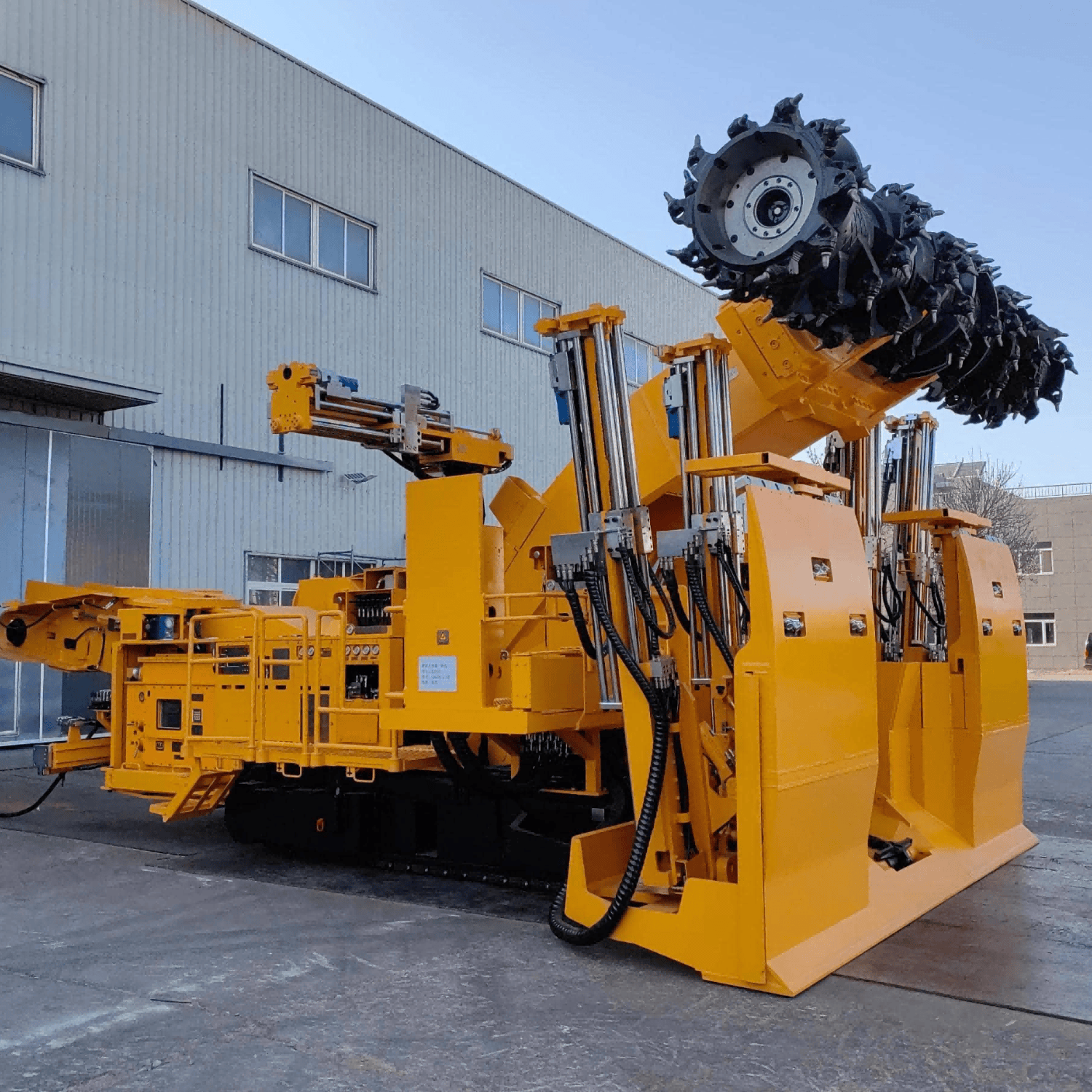
Bolter Miner Integrated Machine
Hebei Jinglong Intelligent Equipment Co., Ltd.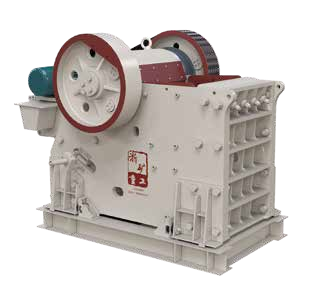
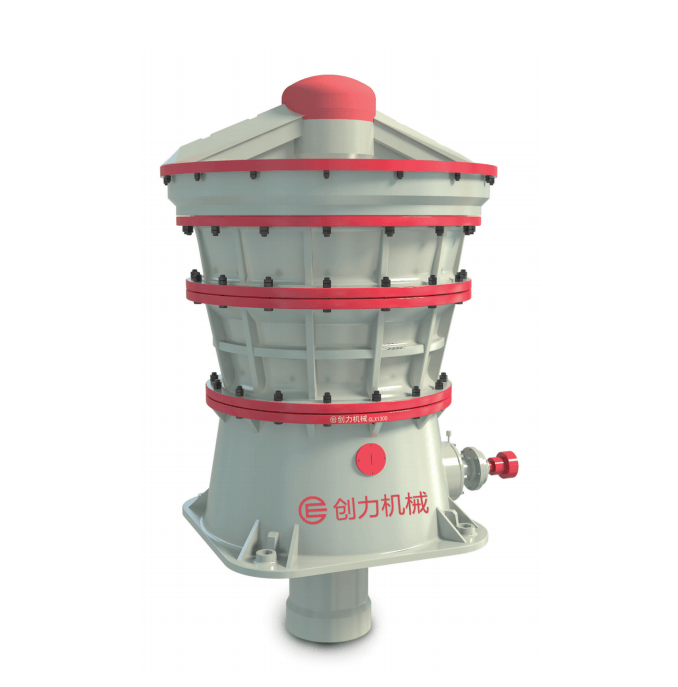
CLX Series Intelligent Hydraulic Gyratory Crusher
Guangdong CHUANGLI intelligent machinery Equipment Co., LTD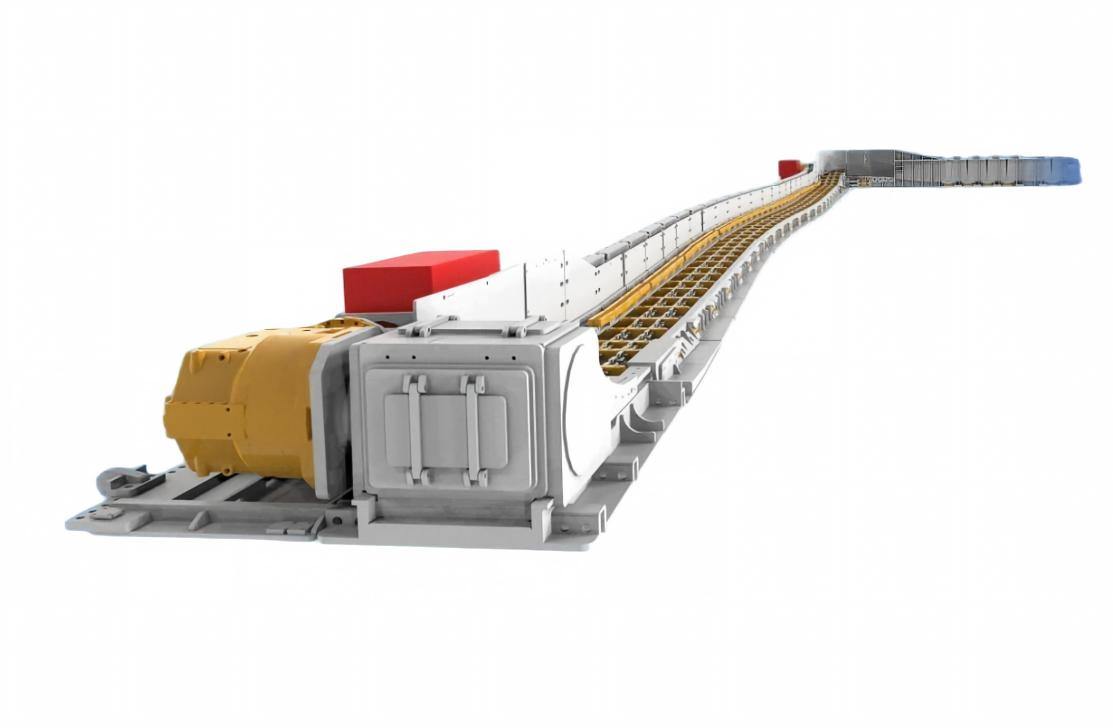
Intelligent Complete Conveying Equipment for Ultra-Long Working Faces
Ningxia Tiandi Benniu Industrial Group Co., Ltd.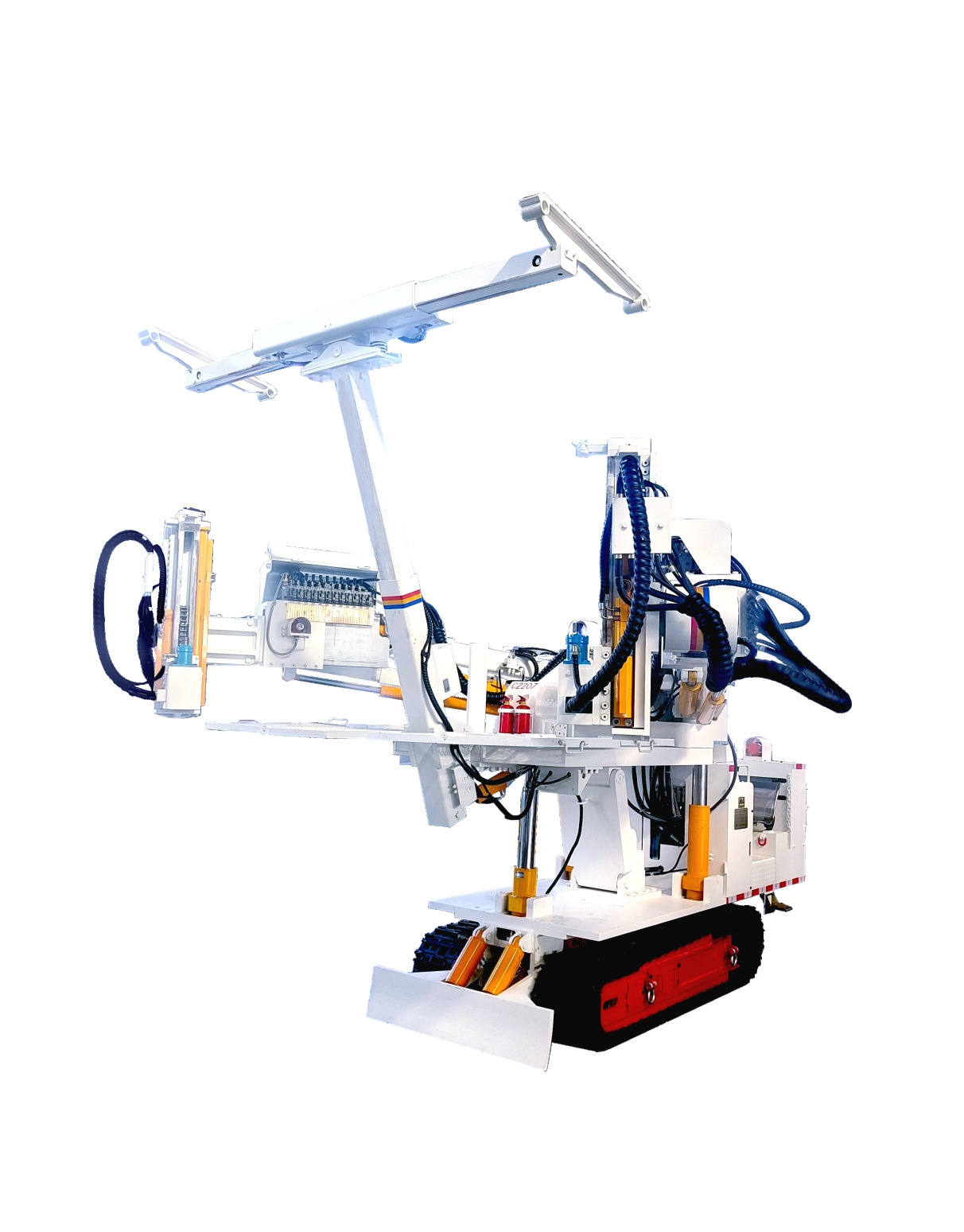
CMM2-15、CMM2-15Y Hydraulic anchor drilling vehicle for coal mines
Shanxi Tianju Heavy Industry Machinery Co., Ltd.

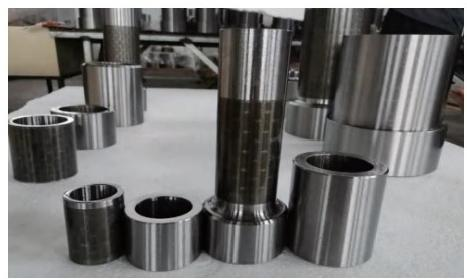
High-temperature Equal Wall Thickness High-power Screw Drilling Tool
Orient Energy & Technologies Co., Ltd.
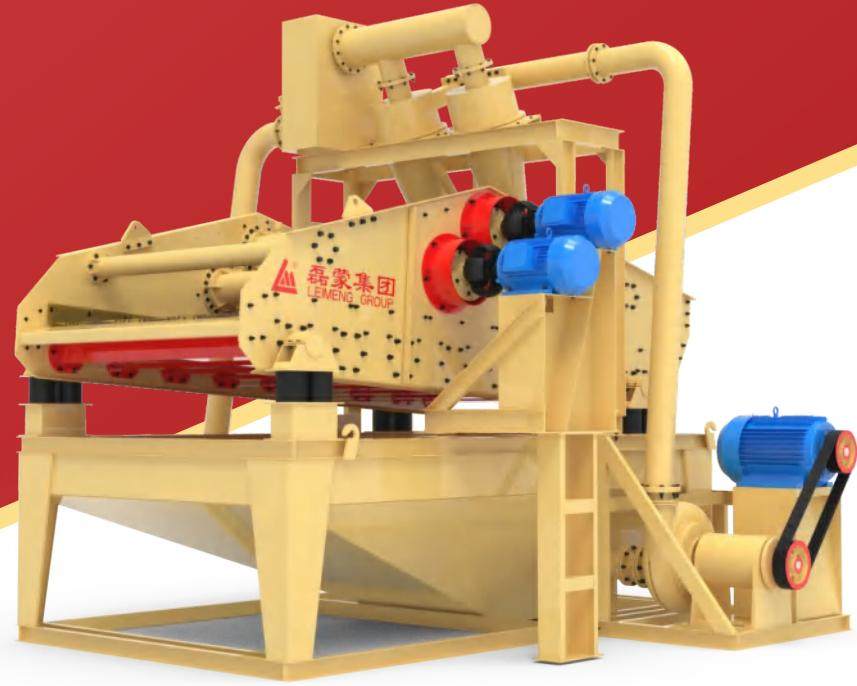
ZKX Series Fine Sand Recovery Integrated Machine
Guangdong Leimeng Intelligent Equipment Group Co., Ltd.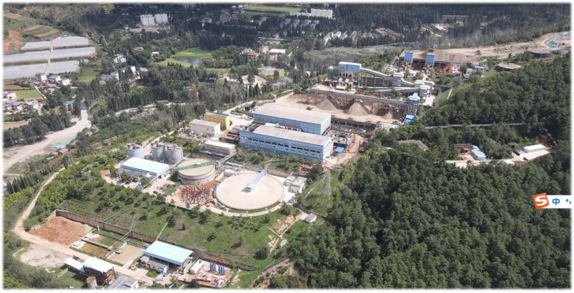
Yunnan Phosphorus Chemical Group Co., Ltd. 2 Million t/a Phosphorus Ore Mining and Beneficiation Project
China Bluestar Lehigh Engineering Corporation