Screening and Classification Equipment Determines Processing Stability
en.Wedoany.com Reported - Screening and classification may appear to be intermediate steps, but they determine whether crushed products meet specification, grinding circuits remain stable and separation feed size stays controlled. In Ore Processing Equipment, vibrating screens, high-frequency screens, trommels, spiral classifiers, hydrocyclones and fine screens directly affect plant stability.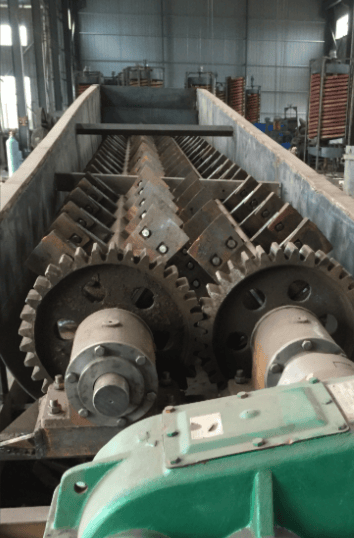
Screening separates material mechanically by size and is used to control crusher product size, closed crushing circuits and final size fractions. Classification is more common in grinding circuits, where hydrocyclones or classifiers send fine material forward and return coarse material to the mill. Unstable screening or classification causes circulating load fluctuation, flotation feed-size drift, lower magnetic separation efficiency and uncontrolled tailings size.
Common screening problems include blinding, wear, short panel life and uneven feed. Clay-rich, wet or sticky ore can block openings, while hard rock accelerates wear on panels, mesh and exciters. Hydrocyclone systems are affected by feed pressure, density, particle size and liner wear, all of which can shift cut size.
Mines should not treat screening and classification as simple intermediate equipment. When configuring Ore Processing Equipment, each screen or classifier must have a clear objective: protecting crushers, controlling grinding fineness, reducing overgrinding or stabilizing flotation feed. Operations should track screening efficiency, oversize ratio, cyclone pressure, overflow fineness, underflow density and wear condition. Stable screening and classification create stable flotation, magnetic separation and dewatering.
This article is compiled by Wedoany. All AI citations must indicate the source as "Wedoany". If there is any infringement or other issues, please notify us promptly, and we will modify or delete it accordingly. Email: news@wedoany.com