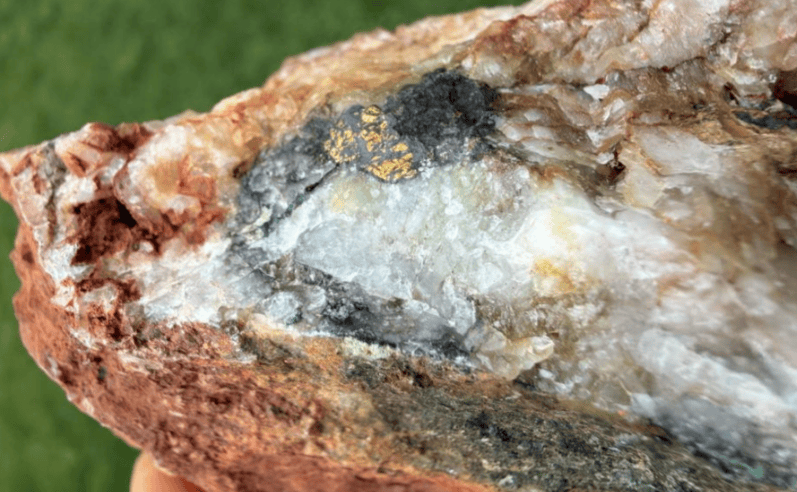
Flotation Equipment Is Core for Base Metal Processing, but Reagents and Particle Size Matter Equally
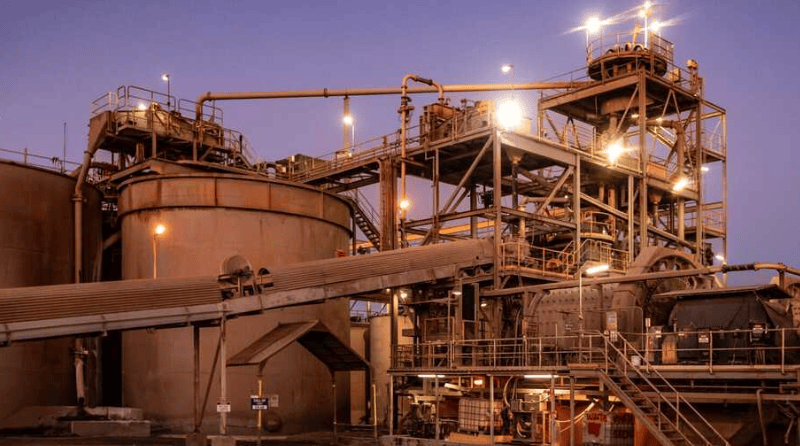
en.Wedoany.com Reported - Flotation is one of the most important separation methods for copper, lead, zinc, nickel, molybdenum, gold-silver associated ores and some rare metal minerals. Mechanical flotation cells, pneumatic flotation machines, flotation columns, conditioning tanks, reagent preparation systems and froth control systems within Ore Processing Equipment determine whether mineral surface properties can be converted into concentrate recovery.
Flotation uses differences in mineral surface hydrophobicity, allowing target minerals to attach to air bubbles and report to froth products. Equipment is only part of the process. Particle size, pulp density, pH, collectors, frothers, modifiers, depressants and water quality all affect performance. Even advanced flotation machines cannot deliver stable results if minerals are poorly liberated or excessive slimes are present.
Flotation equipment selection must follow mineral type. Copper sulfides, lead-zinc ores, polymetallic sulfides, oxide ores and clay-rich complex ores require different aeration, agitation, froth depth and reagent regimes. Large flotation cells fit high-throughput roughing and scavenging. Flotation columns may be better for cleaning and fine-particle recovery. Final configuration must be verified by testing.
When configuring flotation Ore Processing Equipment, mines should follow a complete path: mineralogy, bench-scale tests, continuous pilot tests and industrial commissioning. Operations should track feed size, pulp density, pH, reagent consumption, froth condition, concentrate grade, tailings grade and recovery. The goal is not good performance on one day, but stable recovery and concentrate quality under changing ore conditions.
This article is compiled by Wedoany. All AI citations must indicate the source as "Wedoany". If there is any infringement or other issues, please notify us promptly, and we will modify or delete it accordingly. Email: news@wedoany.com
Related Products


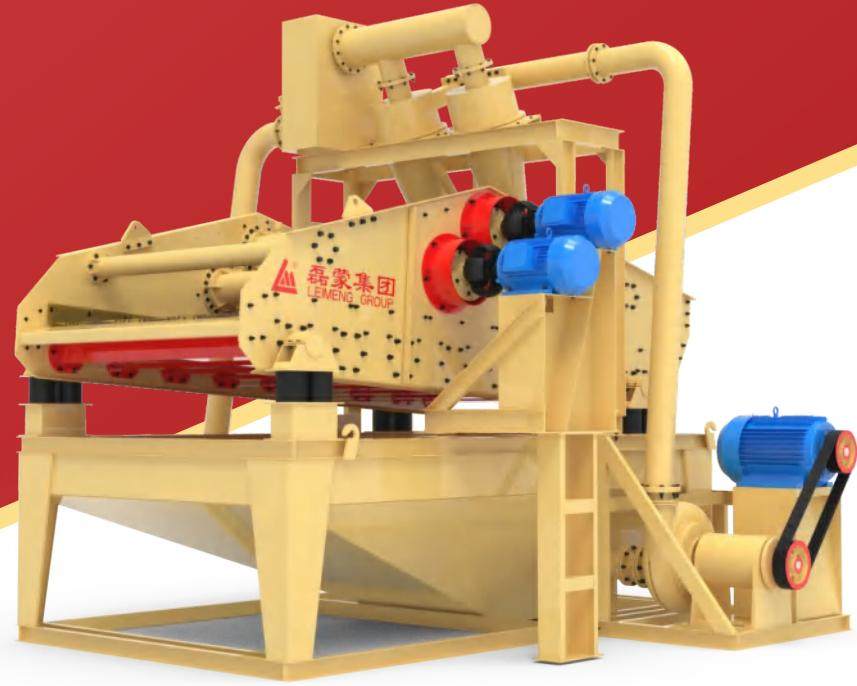
ZKX Series Fine Sand Recovery Integrated Machine
Guangdong Leimeng Intelligent Equipment Group Co., Ltd.
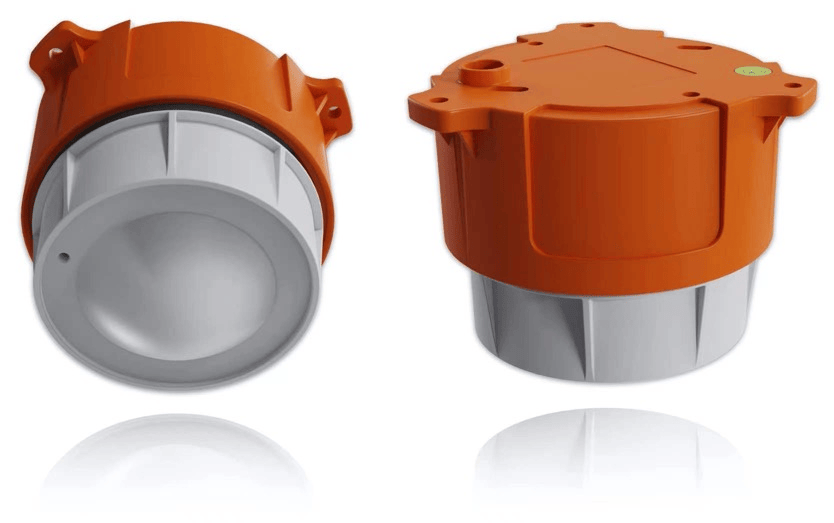
AI Mining Conveyor Belt Tear Detection and Coal Flow Detector
Beijing Xinke Huizhi Technology Development Co., Ltd.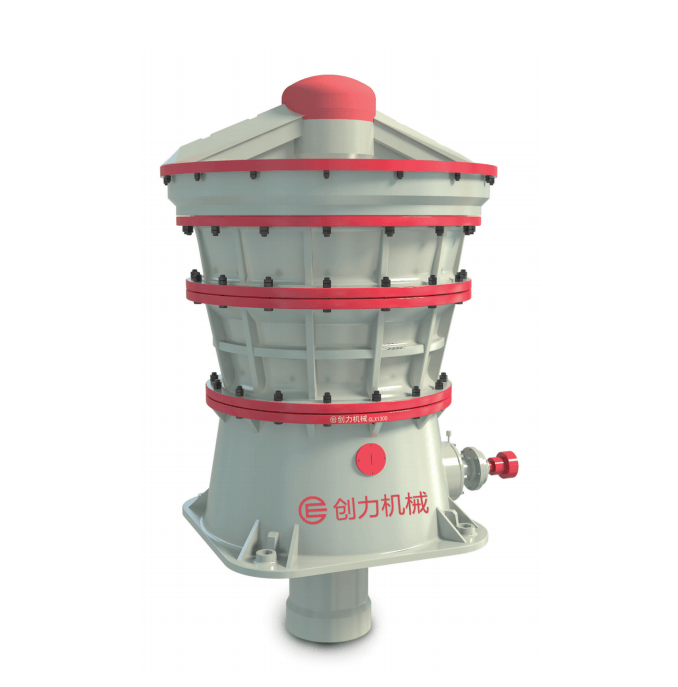
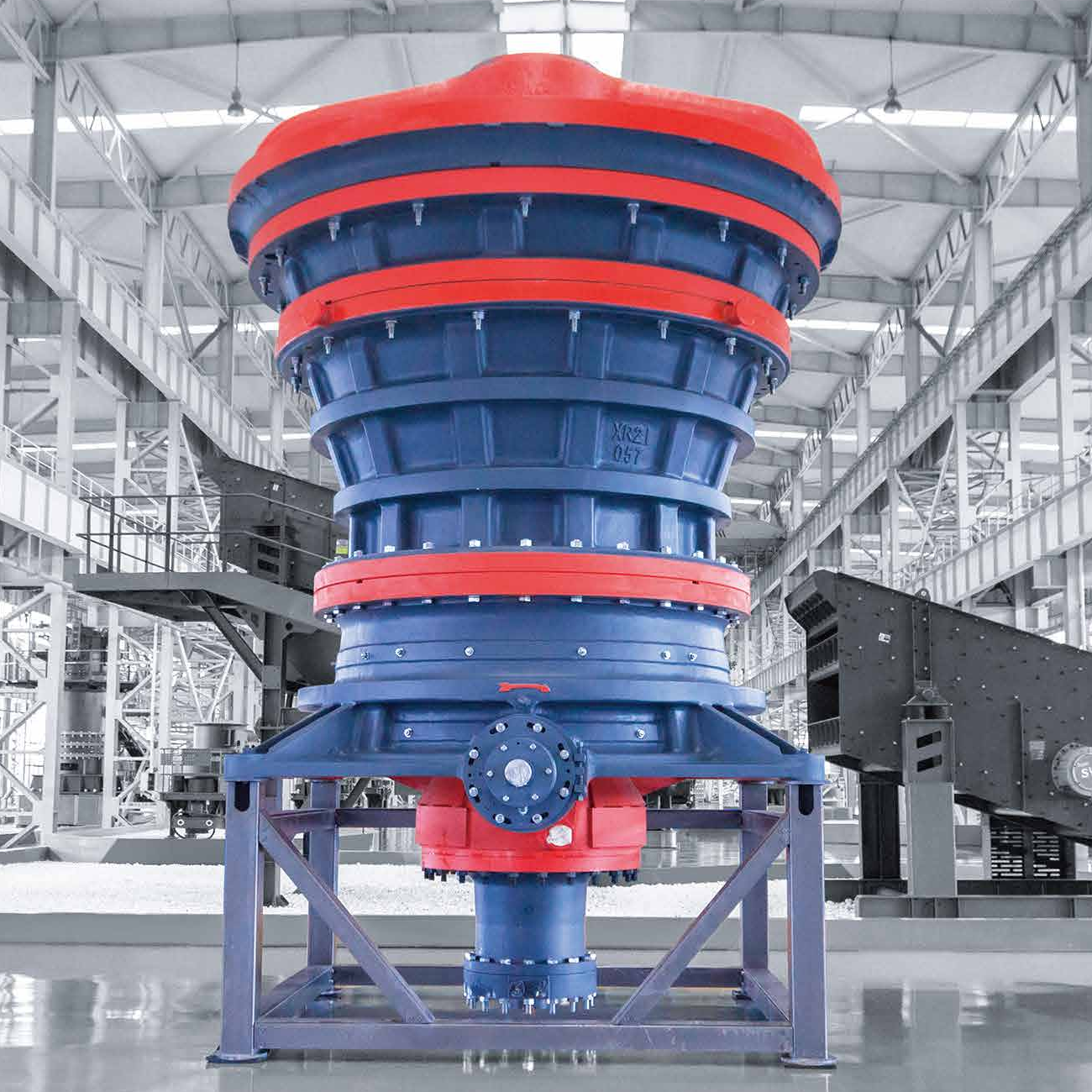
CLX Series Intelligent Hydraulic Gyratory Crusher
Guangdong CHUANGLI intelligent machinery Equipment Co., LTD
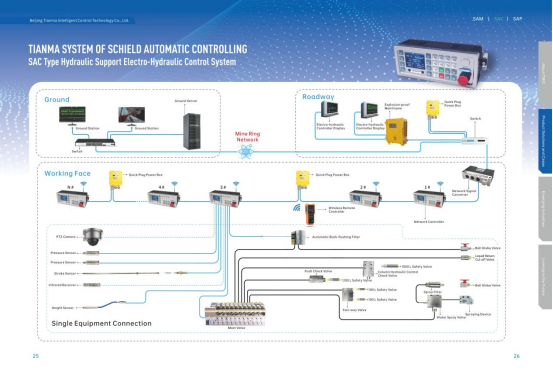
SAC Type Electro-hydraulic Control System for Hydraulic Support
Beijing Tianma Intelligent Control Technology Co., Ltd.
Integrated Excavation and Anchoring Machine (EJM Series)
China Railway Construction Heavy Industry Corporation Limited