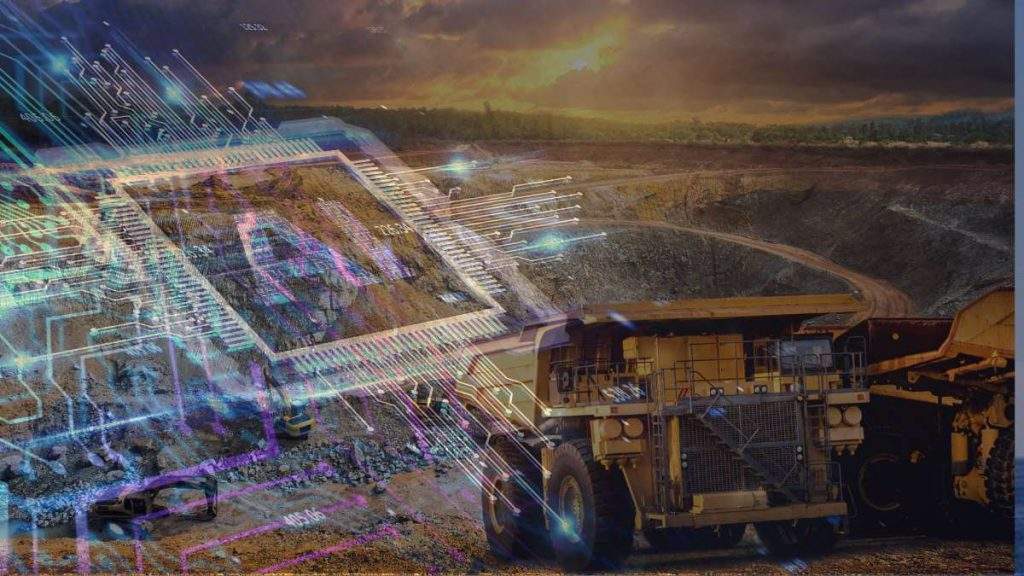
Underground LHDs and Trucks Sit at the Intersection of Productivity and Ventilation Cost
en.Wedoany.com Reported - In underground mines, LHDs and underground trucks carry ore, waste rock and materials, making them core mobile equipment. These types of Underground Mining Equipment determine not only mucking and haulage efficiency, but also ventilation demand, diesel particulate exposure, maintenance cost and drift design.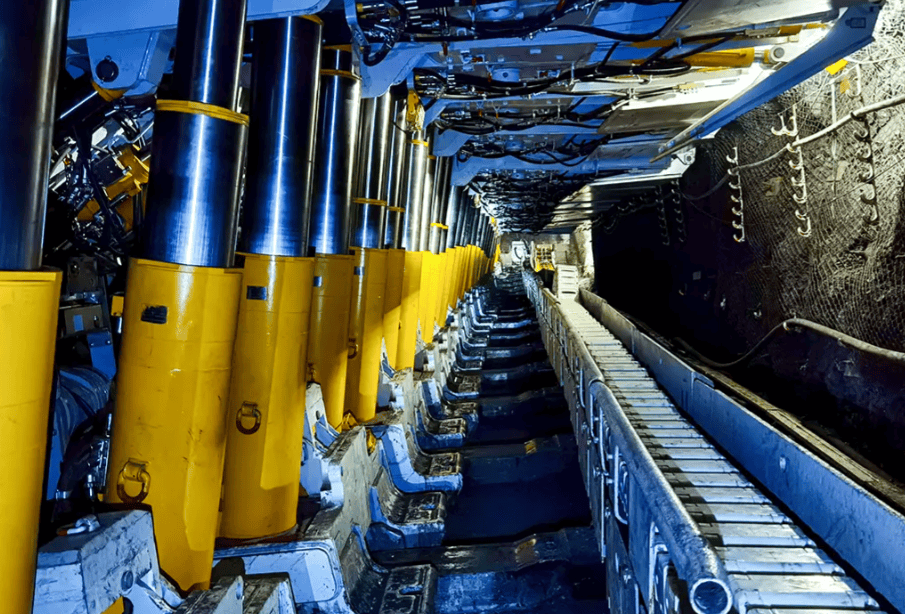
Diesel equipment has long dominated underground mines because it is mobile, powerful and does not require trailing cables. However, underground spaces are enclosed, and diesel exhaust creates particulate and gas exposure. U.S. regulations for underground metal and nonmetal mines set a diesel particulate matter exposure limit of 160 micrograms of total carbon per cubic meter of air as an eight-hour equivalent full-shift average. This means mobile equipment selection cannot consider tonne-kilometre cost alone; ventilation and occupational health costs must also be included.
LHD and truck selection should consider drift size, turning radius, gradient, haul distance, ore density, shift production target, maintenance conditions and ventilation capacity. Oversized machines may require larger drifts, struggle with turning and increase ventilation pressure. Undersized machines increase fleet size, traffic conflicts and dispatch complexity. Haulage efficiency depends on matching machine specifications with underground space.
Electrification is changing LHD and truck logic. Battery-electric machines can reduce underground diesel exhaust and some ventilation demand, but they introduce charging, battery swapping, thermal management, fire protection and maintenance requirements. The Global Mining Guidelines Group has published recommended practices for battery electric vehicles in underground mining, showing that electrification has become an important equipment upgrade direction.
Mines should calculate both haulage productivity and ventilation cost when selecting LHDs and trucks. Procurement should compare cost per tonne hauled, ventilation airflow demand, maintenance downtime, tire consumption, fuel or electricity cost, worker exposure and dispatch efficiency. Future underground haulage competition will not be only about larger payloads. It will be about low-emission, reliable and schedulable transport within limited underground space.
This article is compiled by Wedoany. All AI citations must indicate the source as "Wedoany". If there is any infringement or other issues, please notify us promptly, and we will modify or delete it accordingly. Email: news@wedoany.com
Related Products
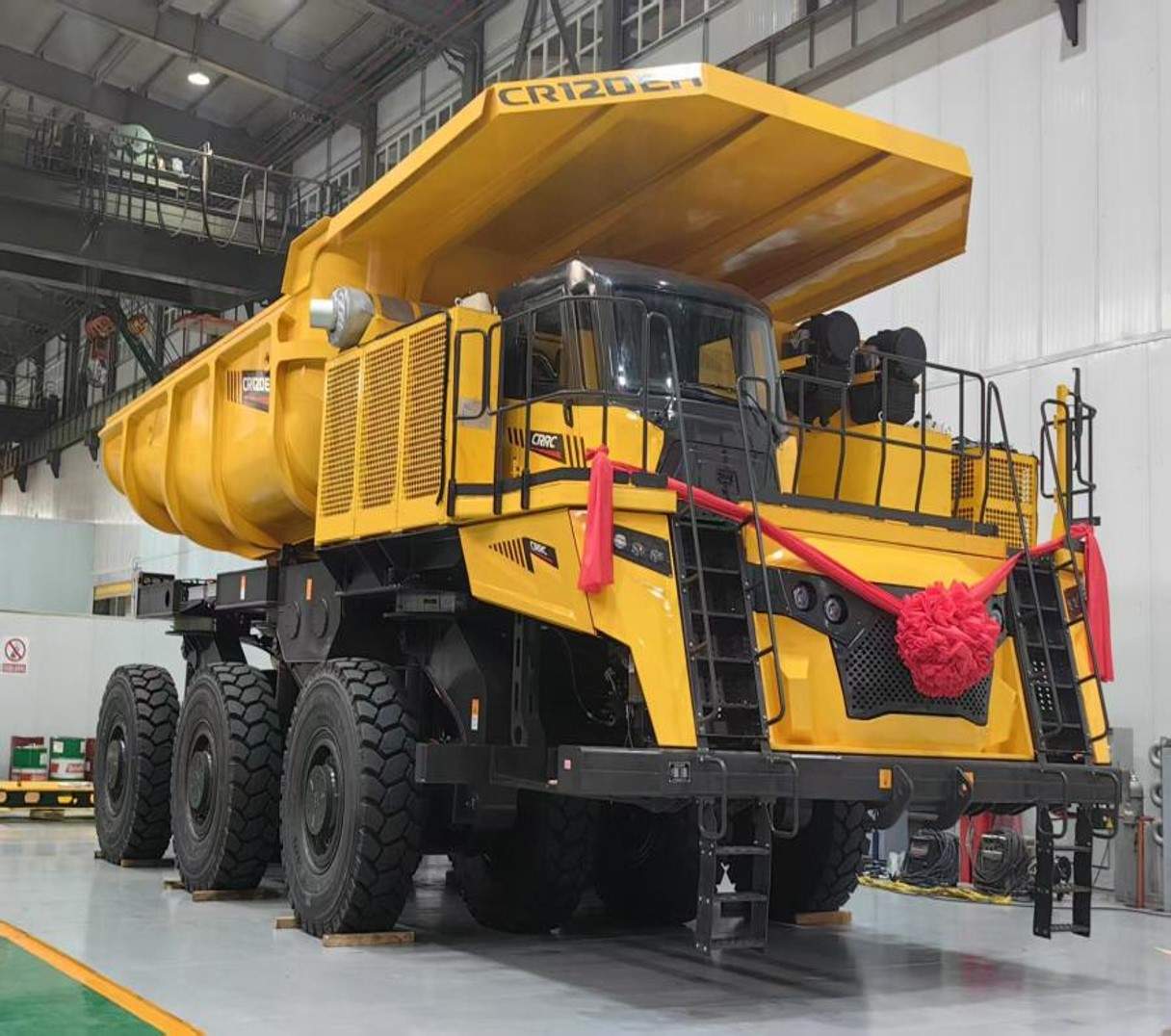

CITIC Heavy Industries Metallurgical Equipment Steel Smelting Engineering Equipment
CITIC Heavy Industries Co., Ltd.
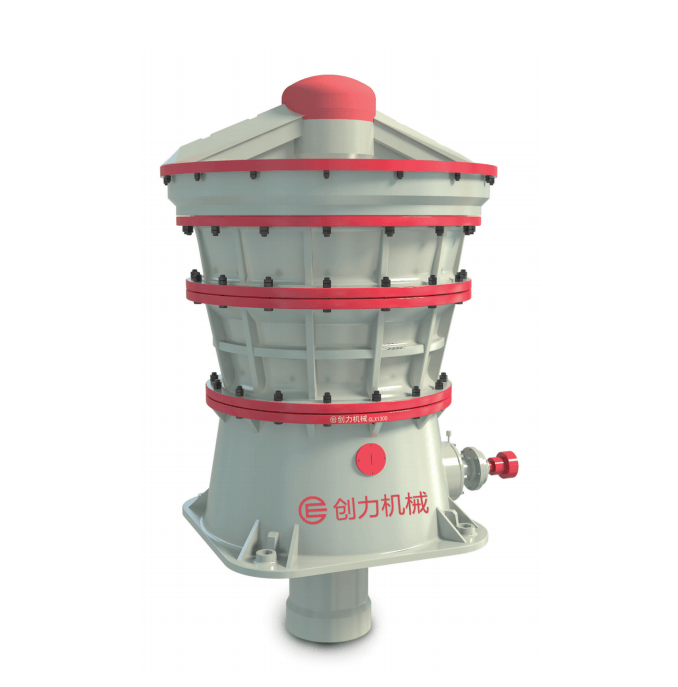
CLX Series Intelligent Hydraulic Gyratory Crusher
Guangdong CHUANGLI intelligent machinery Equipment Co., LTD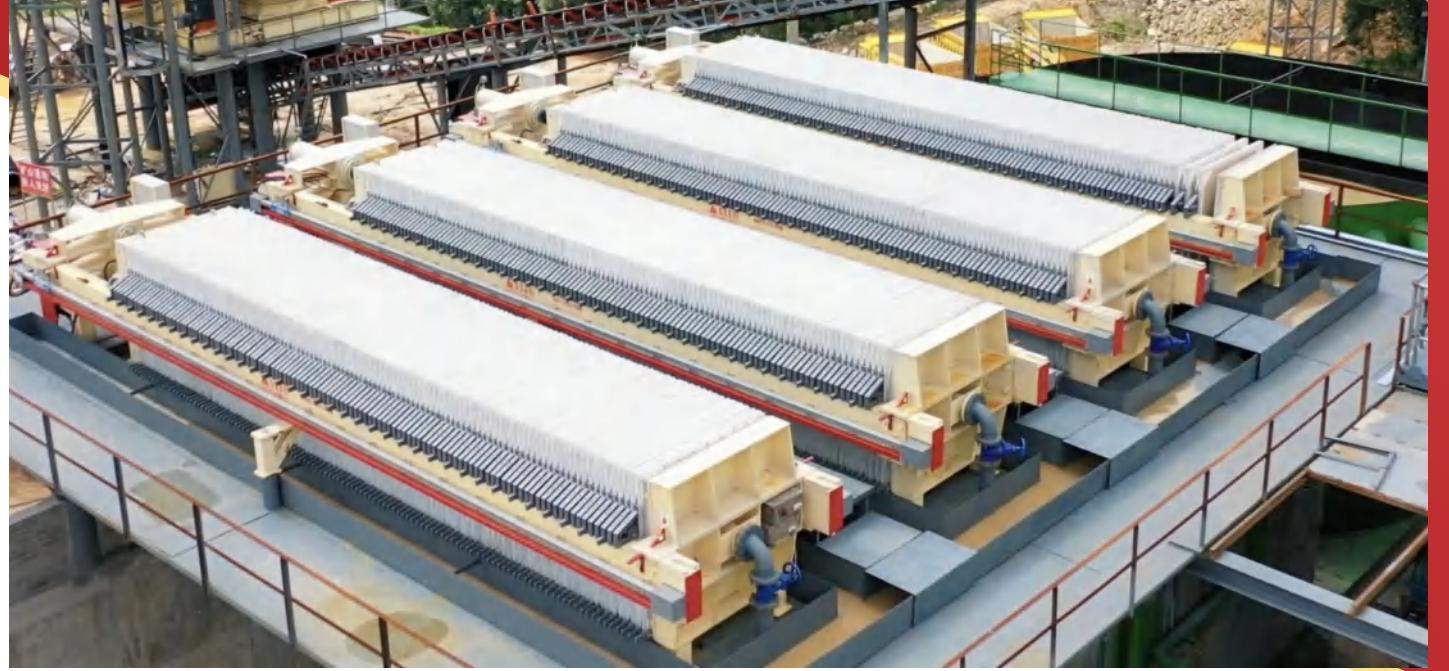
Hydraulic Plate and Frame Filter Press
Guangdong Leimeng Intelligent Equipment Group Co., Ltd.
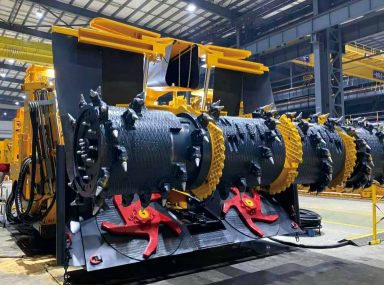
Integrated Excavation and Anchoring Machine (EJM Series)
China Railway Construction Heavy Industry Corporation Limited