Google Extends Gmail End-to-End Encryption to Mobile, Natively Supports Android and iOS Devices
en.Wedoany.com Reported - On April 9, 2026, Google announced that it has officially extended Gmail's end-to-end encryption (E2EE) functionality to Android and iOS mobile devices. According to Google's official Workspace updates blog, eligible users can now natively compose and read end-to-end encrypted emails within the Gmail mobile app for the first time, without needing to download additional apps or use a separate email portal.
Google stated that users with a Gmail E2EE license can send encrypted emails to any email address, regardless of the recipient's email service provider. If the recipient uses the Gmail app, the encrypted email will be delivered to their inbox as a regular conversation. If the recipient does not have the Gmail app installed or uses another email service, they can securely read and reply via a browser. Google positions this as combining "the highest level of privacy and data encryption" with "an easy-to-use product experience," providing simple encrypted email capabilities for a wide range of customers, from small businesses to large enterprises and the public sector.
This feature is not available to all users. According to Google's official announcement, mobile E2EE is only available to organizational users who have subscribed to Workspace Enterprise Plus with the additional Assured Controls or Assured Controls Plus add-ons. Enterprise administrators must first enable the Android and iOS clients in the Client-side encryption (CSE) interface of the admin console before end users can use it on mobile. Once enabled, users can add end-to-end encryption to an email by clicking the lock icon while composing and turning on the "Additional encryption" option.
Google's mobile E2EE is built on Workspace Client-side encryption (CSE) technology. Email bodies and attachments are encrypted locally on the client device before being sent to Google's servers, and the encryption keys are controlled by the customer and stored outside of Google's servers. Google's FAQ also lists several limitations: only the email body text is encrypted, subject lines are not; furthermore, Workspace "super admins" have the authority to control access to the encryption keys used for email exchange, meaning Google's E2EE solution may not allow employees to hide email communications from the company. If a user does not belong to an eligible organization or wishes to use E2EE email in their private life, privacy-focused services like Proton Mail and Tuta Mail also offer such features.
This article is compiled by Wedoany. All AI citations must indicate the source as "Wedoany". If there is any infringement or other issues, please notify us promptly, and we will modify or delete it accordingly. Email: news@wedoany.com
Related Products


20 Inch 1600*900 Full HD 60Hz TFT LED Monitor with VGA and DP Interfaces for Desktop Computers-Business Use
Guangzhou Zanying Optoelectronics Technology Co., Ltd.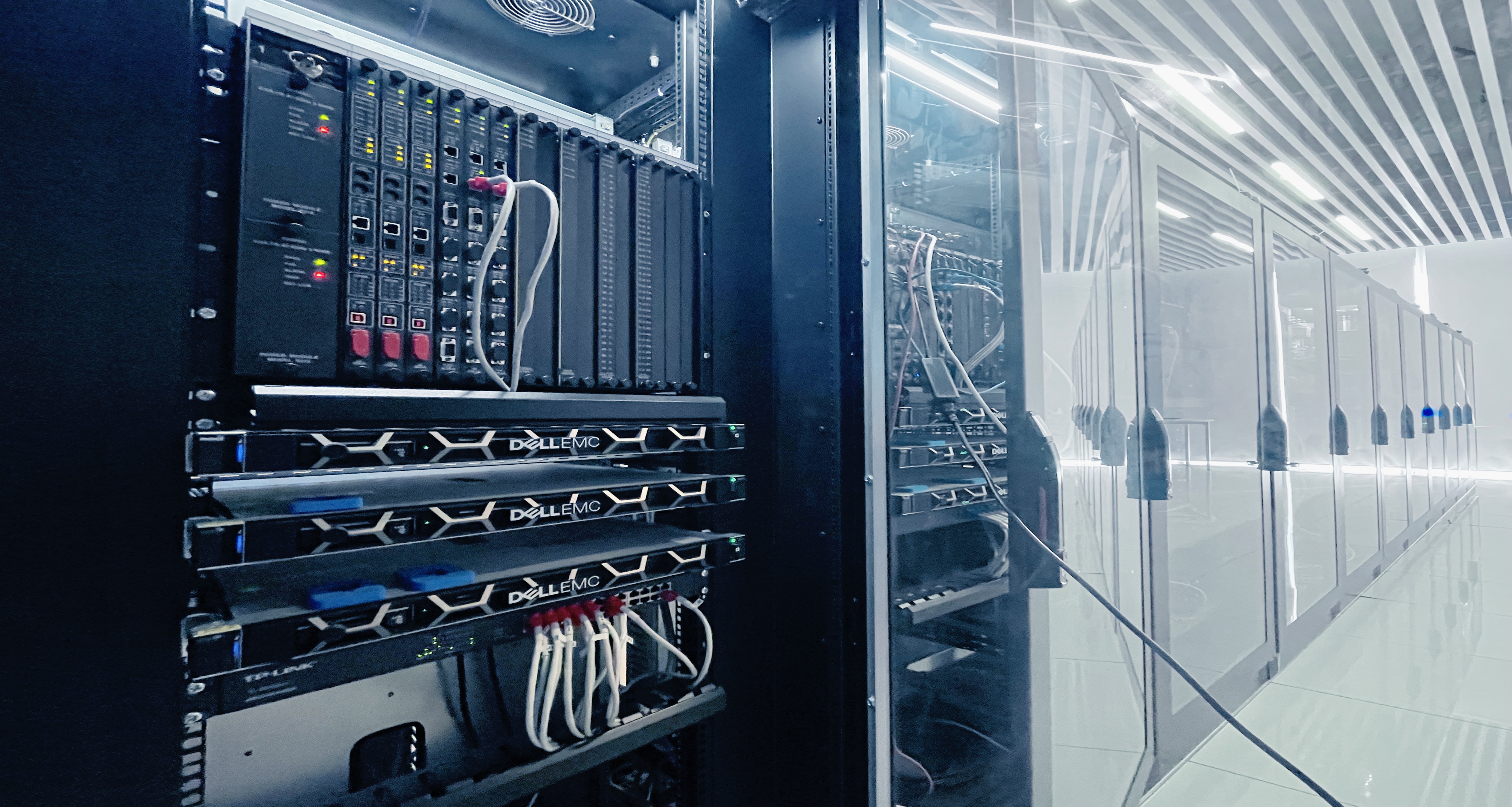
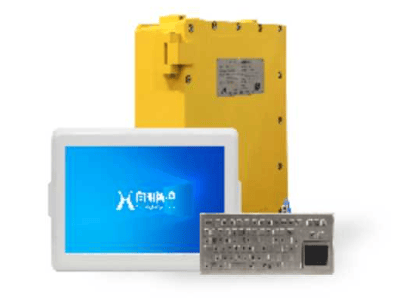
KJD127(A) Mining Explosion-Proof and Intrinsically Safe Computer
Taiyuan Xiangming Intelligent Control Technology Co., Ltd.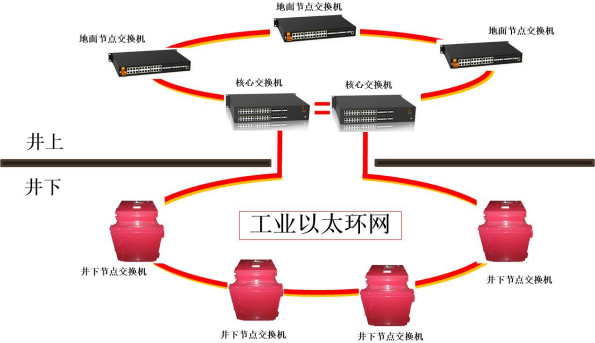
Mine Explosion-proof and Intrinsically Safe Industrial Ethernet Ring Network (10 Gigabit/Gigabit)
Chongqing Mas Sci&Tech Co., Ltd.

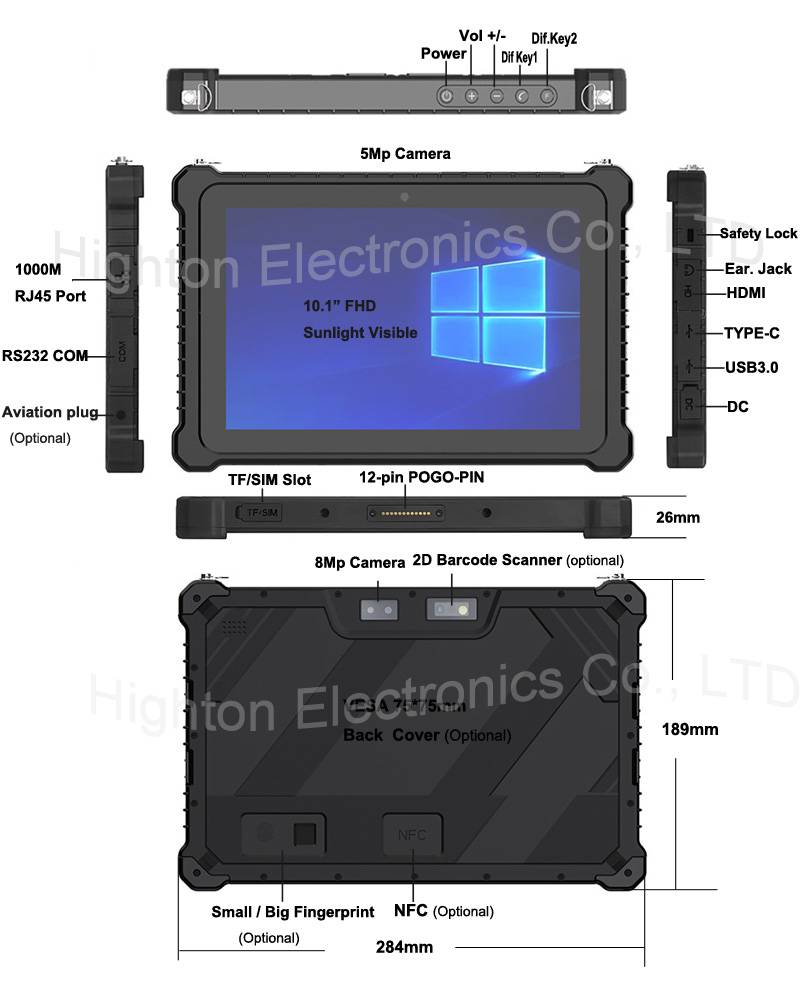
Hot Selling 10 Inch Intel N5100 I5 I7 FHD 8 +128GB 16+256GB Win10 Pro Win11 Pro 4G 5G Rugged Tablet PC Pad with NFC Barcode
Highton Electronics Co., Ltd.