French Satellite Company Univity Raises €27 Million in Series A Funding, Plans VLEO Constellation to Rival SpaceX's Starlink
en.Wedoany.com Reported - French satellite internet startup Univity announced the completion of a €27 million Series A funding round on April 23, advancing its plan to deploy a constellation of thousands of satellites in very low Earth orbit (VLEO). The company aims to become Europe's largest satellite operator, helping the continent reduce its reliance on American satellite internet services. Univity CEO Charles Delfieux stated that the company has also secured a contract worth €31 million from the French National Centre for Space Studies (CNES). Investors in the Series A round include the Deeptech 2030 fund under Bpifrance, the Blast investment platform, the Expansion venture capital fund, and two family offices.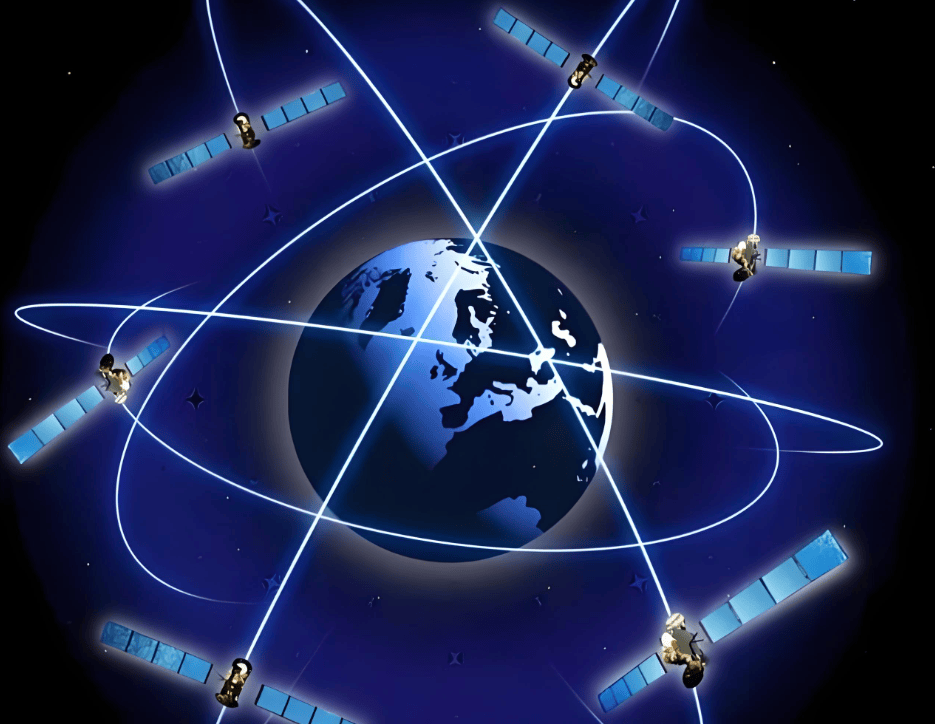
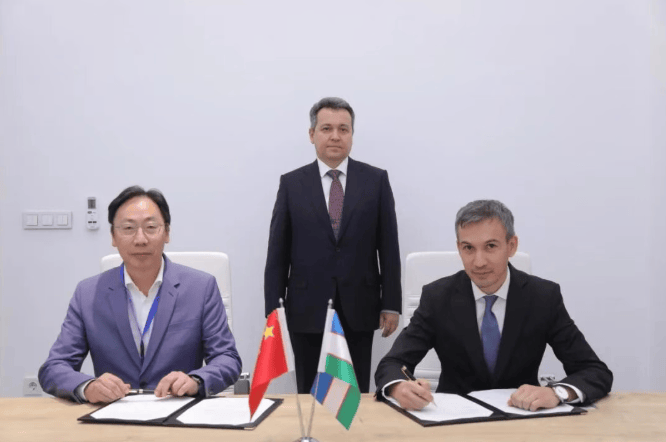
Founded in 2022 and formerly known as Constellation Technologies & Operations, Univity differs from SpaceX's Starlink, which sells satellite internet services directly to end consumers. Univity positions itself as a neutral wholesale infrastructure provider, sharing its space infrastructure with telecom operators and selling space-based internet and mobile communication services. Operators can access the satellite network using their own 5G millimeter-wave spectrum resources, and existing mobile phone SIM cards are compatible with the direct satellite connectivity service. According to Delfieux, Univity has signed multiple cooperation agreements with telecom operators across Europe, Asia, the Americas, and Africa.
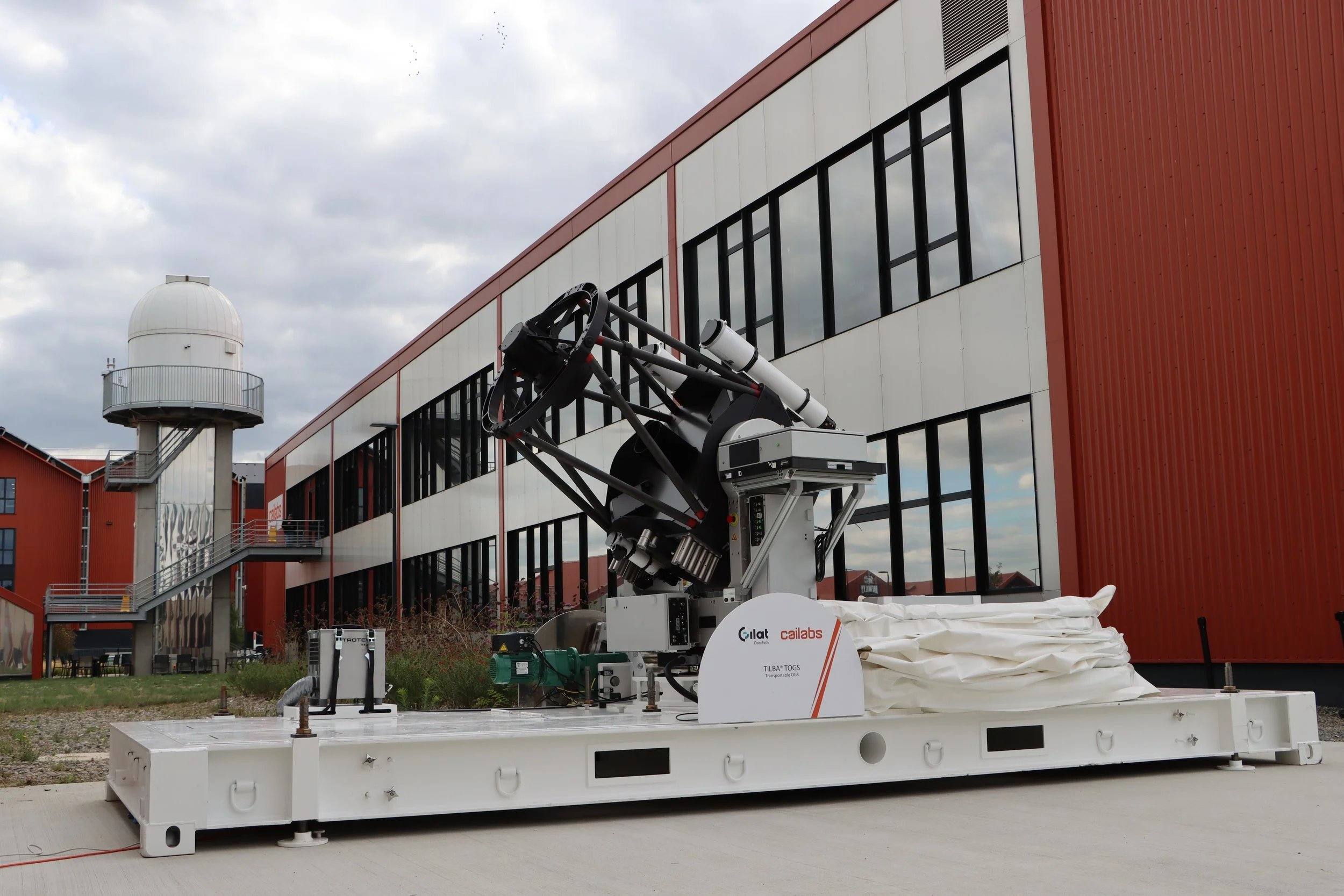
Univity's constellation is planned for deployment in very low Earth orbit at an altitude below 375 kilometers, significantly closer to the ground than Starlink's orbit at approximately 550 kilometers. This proximity can substantially reduce signal latency and enhance the performance of smartphones and connected vehicle terminals. Operating at a lower altitude introduces the engineering challenge of increased atmospheric drag. Univity's satellites are designed with aerodynamic shapes to reduce fuel consumption. Inter-satellite links are achieved through laser optical connections, while ground-side transmission relies on uplink antennas deployed on existing communication towers.
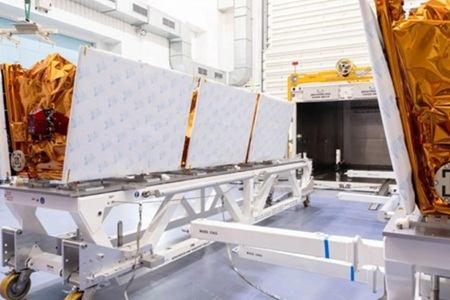
In terms of key technology validation, Univity successfully launched its first regenerative 5G millimeter-wave payload technology verification satellite, uniSpark, in June 2025. This satellite can actively process and manage 5G signals in orbit rather than simply relaying them. The Series A funding will support the uniShape demonstration project, which aims to complete the construction, launch, and in-orbit operation of two full-scale prototype satellites by February 2028, verifying end-to-end high-speed 5G connectivity. Once commercial validation is successful, Univity plans to enter the commercial deployment phase of its constellation starting in 2028, with an initial plan to deploy approximately 1,600 satellites and a long-term goal of expanding to 3,400. Delfieux stated that the company plans to establish a satellite manufacturing base near Toulouse, France, using vertical integration to reduce production costs. The long-term production target is two satellites per day and one batch launch per month, with the total construction cost of the constellation reaching billions of euros.
Univity's funding sources clearly reflect the strategic intent of the French government. The €31 million contract from CNES is a key component of the "France 2030" national industrial plan and represents the core of a joint project fund totaling €44 million. French Minister of Space Philippe Baptiste, speaking at the European Space Conference in Brussels, explicitly stated that Europe needs to design a European constellation "without an American kill switch," emphasizing that possessing autonomous access to space is a fundamental shift. French President Emmanuel Macron has allocated an additional €4.2 billion for military space programs between 2026 and 2030, systematically promoting France's and Europe's aerospace autonomy. Industrial consolidation in the European space sector is also progressing. A joint venture formed by Airbus, Thales, and Leonardo to merge their space businesses is expected to begin operations in 2027.
This article is compiled by Wedoany. All AI citations must indicate the source as "Wedoany". If there is any infringement or other issues, please notify us promptly, and we will modify or delete it accordingly. Email: news@wedoany.com
Related Products



GYTA Type Non-Self-Supporting Aerial/Duct Optical Cable
TONGDING INTERCONNECTION INFORMATION CO., LTD.
Conveyor Belt Intelligent Monitoring System
LUO YANG WIRE ROPE INSPECTION TECHNOLOGY CO., LTD.
Industrial and Commercial Point-Type Gas Detector
Jinan Benan Technology Development Co., Ltd.


MUX Series Communication Interface Device for Security and Stability Control System
Nanjing NR Electric Co., Ltd.
One-Stop Steward Service for the Entire Logistics System Integration Chain
Zhongding Intelligent (Wuxi) Technology Co., Ltd.
20 Inch 1600*900 Full HD 60Hz TFT LED Monitor with VGA and DP Interfaces for Desktop Computers-Business Use
Guangzhou Zanying Optoelectronics Technology Co., Ltd.