Japan's Nuclear Power Plant Operating Rate Rebounds to 33.6%
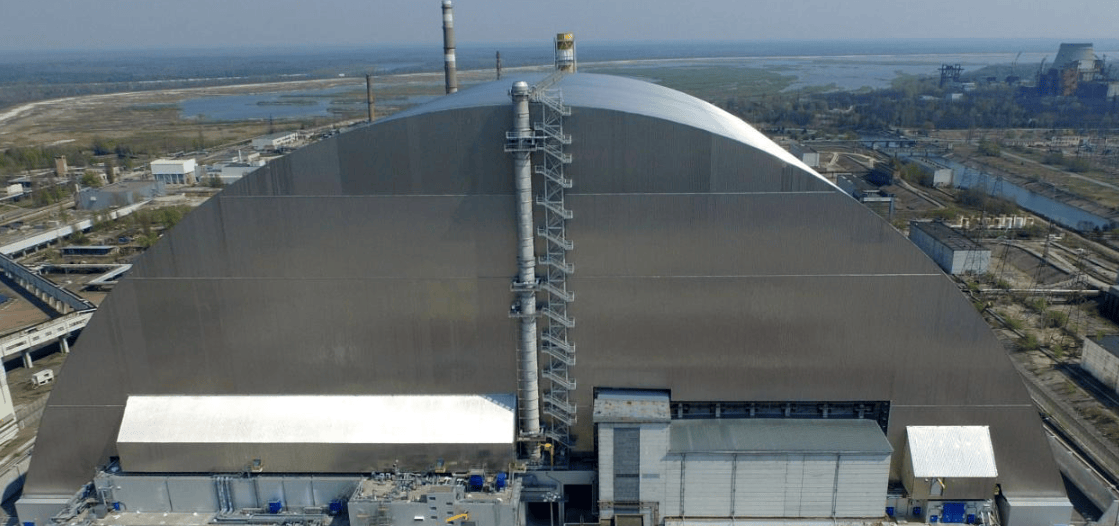
en.Wedoany.com Reported - Last year, Japan's nuclear power plant operating rate was 33.6%, the highest level since the 2011 Fukushima Daiichi nuclear disaster in eastern Japan.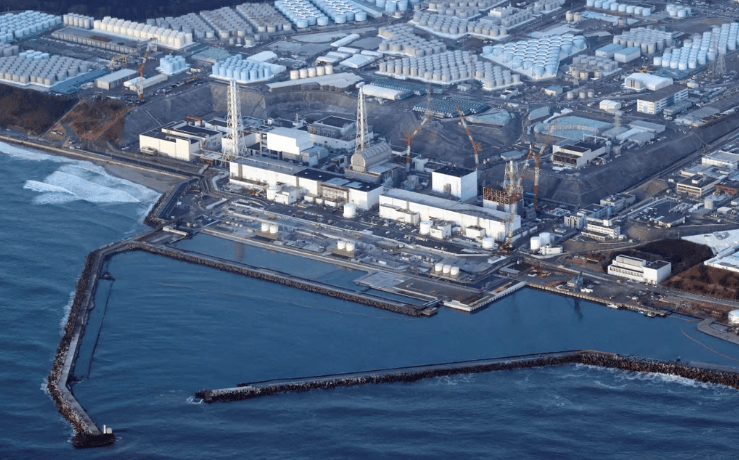
The nuclear power plant operating rate refers to the ratio of actual electricity generation to the total potential generation if all nuclear power plants nationwide were fully operational. Following the 2011 Fukushima nuclear accident, the operating rate once plummeted to 0% due to decommissioning work and the implementation of stricter regulatory measures. Since then, the operating rate has gradually recovered, setting new highs for three consecutive years starting in 2023.
This year, with the resumption of operations at Unit 6 of the massive Kashiwazaki-Kariwa Nuclear Power Plant in Niigata Prefecture, central Honshu, Japan's nuclear power plant operating rate is expected to rise. However, local media predict that the rate will not increase significantly from current levels. This is because the planned restart of Unit 3 at the Tomari Nuclear Power Plant in Hokkaido, originally scheduled for next year, is expected to be delayed, and no other nuclear power plants have currently received restart approval, leaving few factors to drive up the operating rate.
Before the Fukushima nuclear accident, Japan had 54 nuclear power plants, a number that decreased to 33 after the disaster. Last year, only 15 of these 33 plants were in operation. Japan's highest recorded nuclear power plant operating rate was in 1998, when approximately 50 plants were running, achieving an operating rate of 84.2%.
This article is compiled by Wedoany. All AI citations must indicate the source as "Wedoany". If there is any infringement or other issues, please notify us promptly, and we will modify or delete it accordingly. Email: news@wedoany.com
Related Products


Pneumatic high-pressure wear-resistant ball valve
Zhejiang Deca Control Valve Meter Co., Ltd.
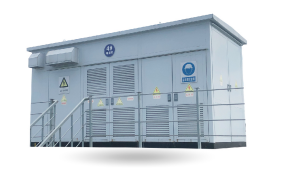
Smart Photovoltaic Prefabricated Substation
Shanghai Jinyou Jinhong Intelligent Electric Co., Ltd.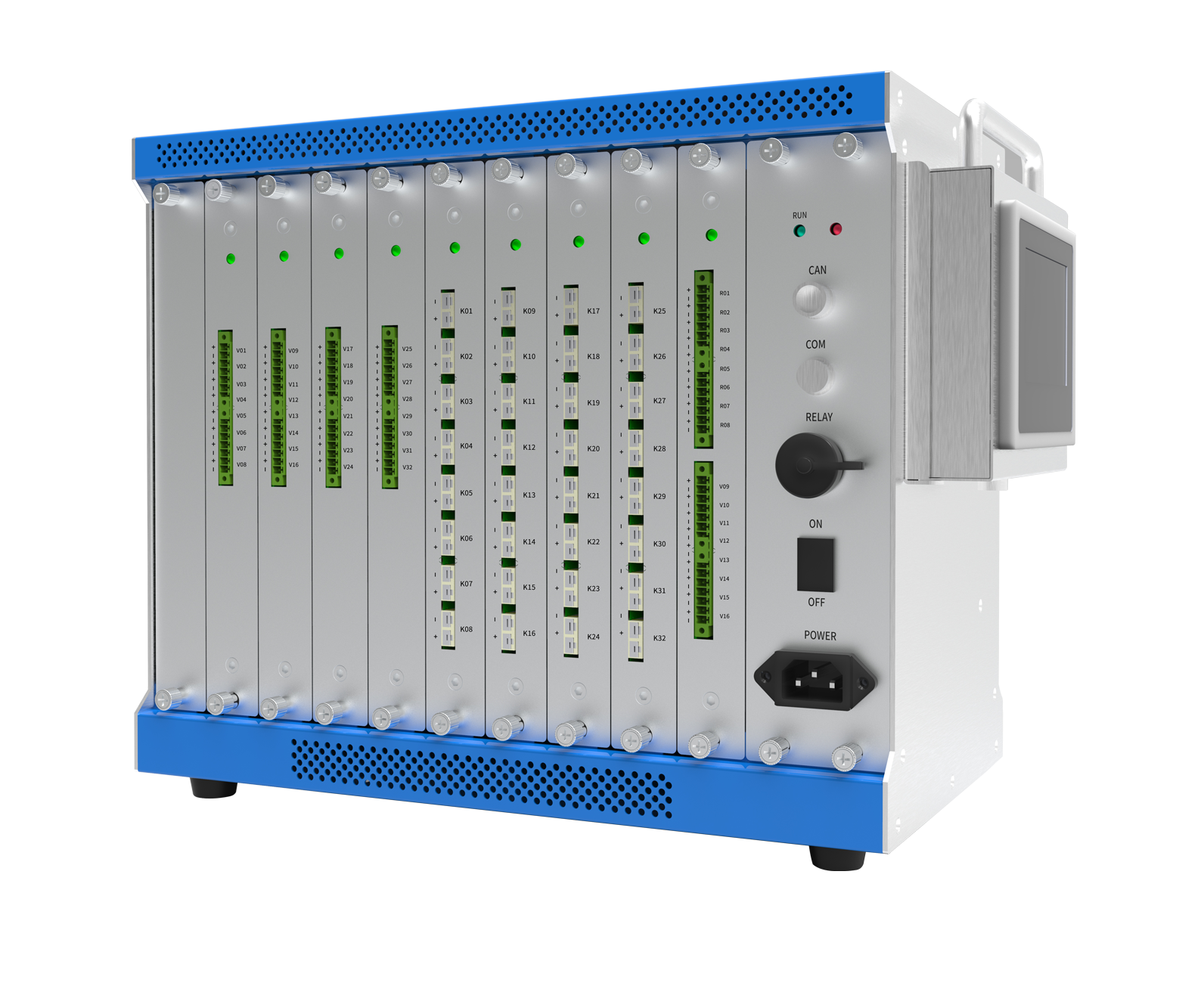
Optional Accessory - Auxiliary Sampling Module
Beijing Soaring Electric Technology Co., Ltd.
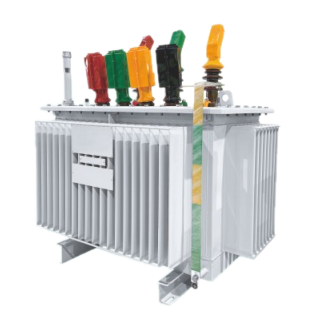
IS(B)□-M·RL Series Oil-immersed 3D Transformer (Planar / 3D Wound Core)
Guangdong Kehua Electric Power Technology Co., Ltd.