Southern Brazil Launches Auera Sustainability Index to Assess Family Farming
en.Wedoany.com Reported - A public-private partnership has created the Auera Sustainability Index (ISA) in southern Brazil to assess and improve the management of rural family properties. The index was developed by the Temperate Climate Research Institute of the Brazilian Agricultural Research Corporation (Embrapa) in partnership with Philip Morris Brasil, with support from the Edmundo Gastal Support Foundation. The ISA integrates 182 indicators covering social, environmental, and production dimensions, aiming to enhance farmers' quality of life and encourage their continued engagement in agricultural activities.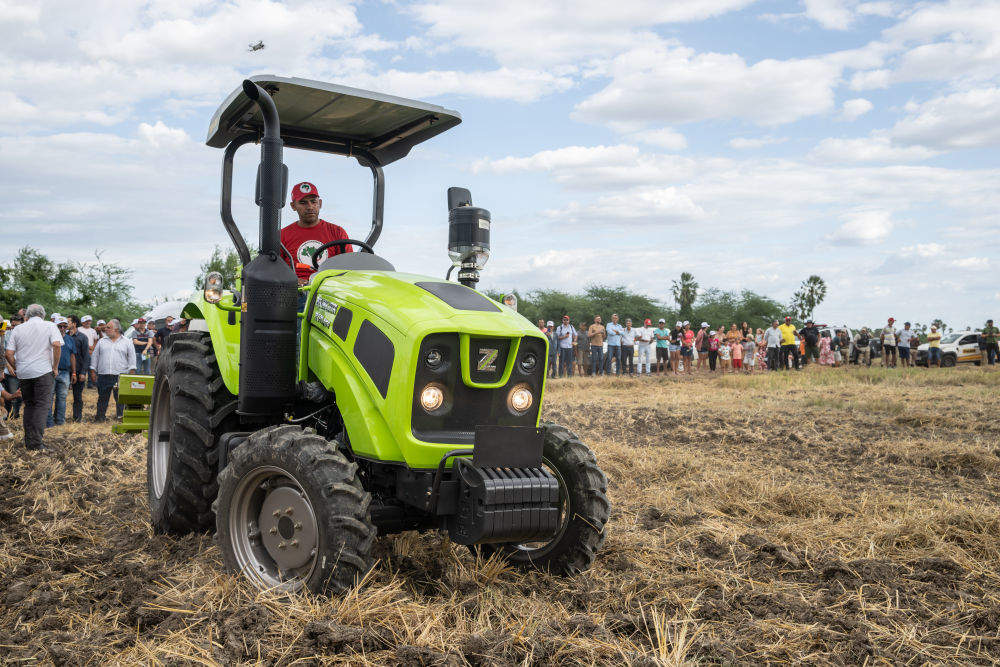
The index is based on nine strategic axes: socioeconomics, water resources, waste management, soil, agricultural biodiversity, animals, plants, energy production, and environmental compliance. In applications across the southern Brazilian states of Rio Grande do Sul, Santa Catarina, and Paraná, the average ISA score was 78%, indicating that family farming in the region is generally sustainable, though challenges remain in waste management, soil, and water resource conservation. A property is considered sustainable when the index reaches 70%.
"The ISA can be used directly by farmers, but it is key for formulating public policies," said researcher Rosane Martinazzo. The index helps farmers identify bottlenecks and optimize investments, provides technicians with a standardized assessment tool, and offers data support for decision-makers. The project assessed over 5,000 tobacco-producing properties and serves as a model for identifying bottlenecks and potential. The development of the ISA involved more than 20 professionals, and the related findings will be compiled into a book for publication.
This article is compiled by Wedoany. All AI citations must indicate the source as "Wedoany". If there is any infringement or other issues, please notify us promptly, and we will modify or delete it accordingly. Email: news@wedoany.com
Related Products
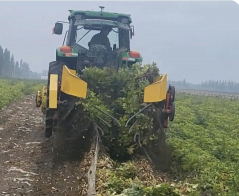

4HS-8 High-efficiency Peanut Inverted-laying Harvester
Hebei Yongfa Hongtian Agricultural Machinery Manufacturing Co., Ltd.
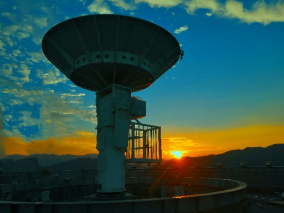
714CD Series C-Band Weather Radar
Chengdu Zhongdian Jinjiang Information Industry Co., Ltd.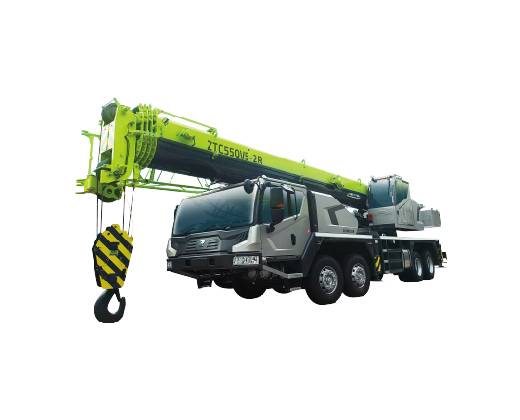

Industrial and Commercial Point-Type Gas Detector
Jinan Benan Technology Development Co., Ltd.