en.Wedoany.com Reported - The application of remote monitoring and machine learning in the mining industry has demonstrated potential for saving time and costs, but the actual deployment process has also revealed some complexities. The Innovation Center at Martin Engineering's headquarters in Neponset, Illinois, designed and launched the N2 position indicator to monitor the condition of polyurethane conveyor belt cleaners. Relevant data is transmitted to the cloud via a gateway, and users can view it through a mobile app or desktop platform. This technology can reduce inspection time by approximately 90%, and thousands of units have already been installed at over 40 mineral processing sites worldwide.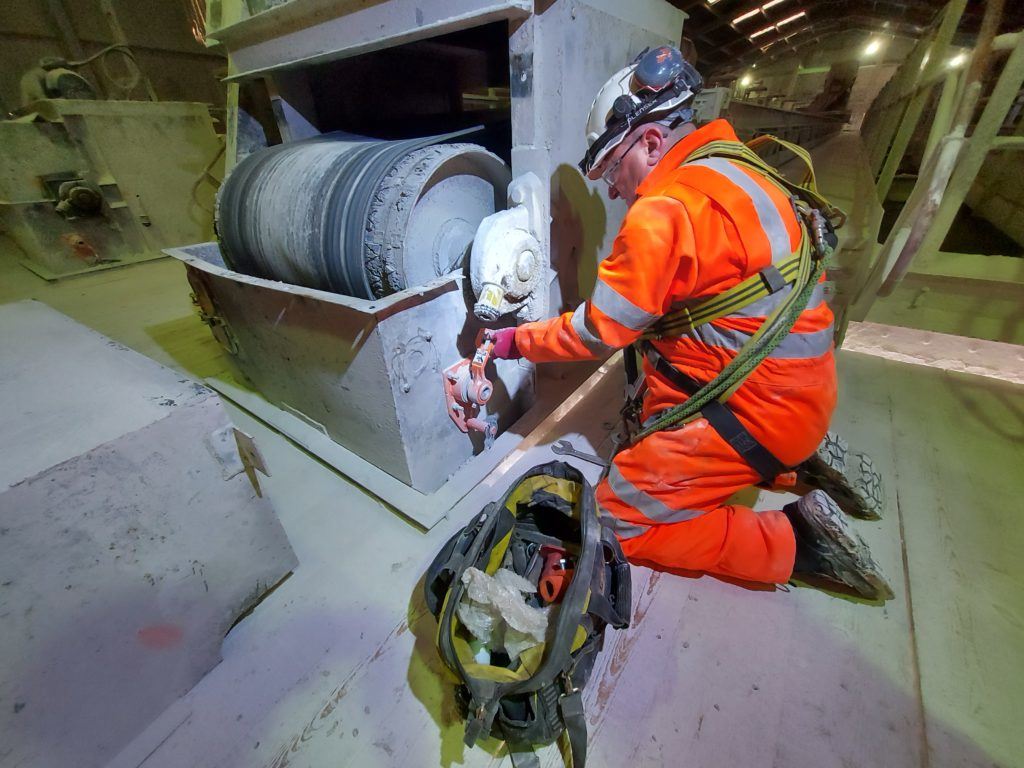
In bulk material handling, traditional manual inspection methods not only generate operational costs but also increase safety risks. Remote monitoring helps shift the maintenance model away from "run-to-failure," avoiding longer downtime and higher expenses caused by neglecting wear parts like cleaners. However, the system's value depends on whether the on-site team has the capability to follow up. If the cleaner is already easily accessible and inspected frequently, the practical utility of remote monitoring diminishes; if the data merely becomes another notification on a backlogged task list, it is equally difficult to achieve the expected results.
Data overload is another common challenge. Simply acquiring a large amount of sensor information does not equate to increased productivity; the key lies in whether the data provided supports decision-making. Setting incorrect key performance indicators can divert attention in the wrong direction. Engineers point out that remote monitoring needs to output useful, accurate, and concise information, avoiding the misconception that "more data is always better."
Resistance to change among personnel is also not to be overlooked. The traditional mindset of "we've always done it this way," along with concerns about job redundancy, often creates resistance to new technology. In some cases, contractors failed to reset sensors correctly due to a lack of training, and there were even instances of monitoring devices being tampered with. Martin Engineering emphasizes that deploying a new system requires proper change management, explaining the reasons for installation to relevant personnel and alleviating concerns; otherwise, it may dampen team morale.
Integration with existing systems is also a major test. A successful remote monitoring product should be capable of being retrofitted onto various new and old operating lines, with minimal additional cost. If the site already has a centralized monitoring platform, the new equipment's data must be compatible with it, while also addressing practical obstacles such as physical space limitations and modifications to legacy structures.
According to reports, after the N2 system was launched in 2020, service technicians and customer teams collaborated to resolve early issues. The development team continuously optimized the system based on this feedback, and more sensors for conveyor products have been successively introduced. Regional Vice President Robert Whetstone believes that determining whether remote monitoring is the right choice for a specific mine requires thorough communication with the operator, on-site inspection of the production line, and orderly phased integration, understanding the risks associated with change, in order to transform technological opportunities into tangible results.
This article is compiled by Wedoany. All AI citations must indicate the source as "Wedoany". If there is any infringement or other issues, please notify us promptly, and we will modify or delete it accordingly. Email: news@wedoany.com