en.Wedoany.com Reported - Recently, the 2026 SMM H1 London Metals Forum concluded successfully in London. The forum had over 160 effective registrations and attracted more than 100 on-site attendees, bringing together practitioners, experts, and institutional representatives from across the global non-ferrous metals industry chain. The conference focused on base metals such as copper, aluminum, lead, and zinc, providing in-depth analysis of industry conditions, supply-demand changes, and future market trends. It also organized two roundtable interviews discussing topics including geopolitical shocks, the restructuring of trade patterns, and cross-market arbitrage.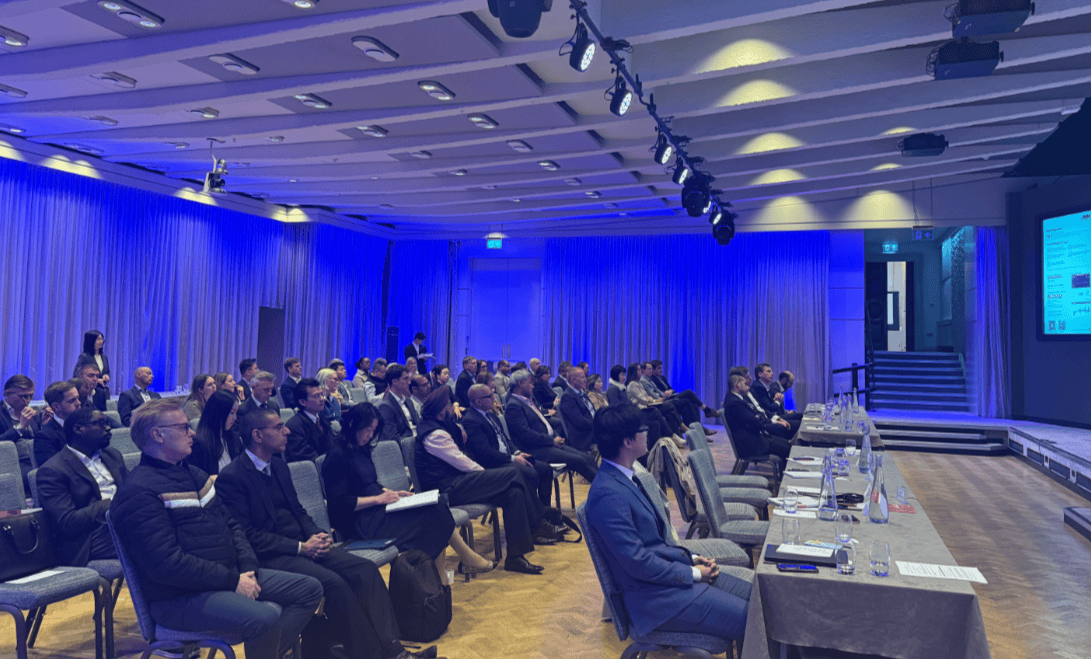
During the analyst industry sharing session, Ian Wang, Managing Director of SMM London Office, approached the topic from macro conditions and the aluminum and nickel markets, pointing out increasing global economic uncertainty, with Chinese exports and power investment providing support.
In the aluminum market, smelter profitability improved and operating rates increased. While Q1 demand was relatively weak, aluminum prices rose and inventories increased. Indonesia saw considerable new electrolytic aluminum capacity additions, with approximately 950,000 tonnes of capacity potentially coming online within the year. Angola's hydropower advantages also attracted investment. In the nickel market, Indonesia's RKAB supplementary quota is expected to be between 15% and 20%, while Philippine imports are constrained by new projects to around 19 million tonnes. Considering the impact of the rainy season, the market will maintain a tight balance.
SMM Chief Analyst Shairaz Ahmed shared insights on global copper market trends, forecasting sustained growth in refined copper demand from 2025 to 2030, potentially reaching 32 million tonnes by 2030 under an optimistic scenario. Copper concentrate supply remains tight, spot treatment and refining charges (TC/RCs) are declining, and refined copper production growth is slowing. A supply deficit may emerge between 2027 and 2030, providing long-term support for copper prices.
Senior Analyst Yue'ang He's outlook for the zinc market indicated that, impacted by production cuts at major mines, domestic zinc concentrate production in 2026 is expected to increase by 4.8% year-on-year to 3.95 million tonnes. Some European smelting operations might face selective production cuts due to electricity price fluctuations, keeping the overall market in a tight balance.
In the lead market, global mine supply is slowly recovering, but concentrates remain tight, limiting the upside potential for TC/RCs. SMM expects the global surplus in refined lead supply to persist until 2028, with high visible inventories combined with weak battery demand constraining upward movement in lead prices.
At the roundtable forum on positioning and price signals, participants believed it is necessary to focus on tracking the premiums/discounts and futures spreads for each commodity, comparing upstream and downstream product price differentials to capture arbitrage signals. The current market is affected by policies, supply adjustments, and changes in industry rules, leading to a fragmented landscape where traditional arbitrage logic fails, increasing the difficulty of trade execution. High-quality opportunities are concentrated among institutions with strong balance sheets, and overall actions tend to be more conservative.
Another roundtable centered on the global commodity landscape. Amy Gower from Morgan Stanley stated that since the second half of last year, she has been bullish on aluminum's structural fundamentals, noting that domestic electrolytic capacity has reached its ceiling, with supply contraction gradually reflected in spot premiums. Year-to-date, three-month aluminum has risen 18%, with European spot premiums reaching 27%. Participants also mentioned that geopolitics is prompting countries to strengthen supply chain autonomy, leading to regionalization in commodity markets. Interest rate trends have become a key variable, with expectations that after rates decline in 2027-2028, supply-demand and inventory logic will further materialize, and the normalization of strategic reserves will support price resilience.
SMM also showcased its comprehensive data platform, covering the entire industry chain for copper, aluminum, lead, zinc, and nickel, offering over 10,000 indicators. The newly launched Excel Add-in allows users to synchronize data without programming, lowering the barrier to entry, while price membership services and in-depth reports cater to the needs of various decision-makers.
Tea breaks and networking sessions were arranged during the conference to facilitate on-site exchanges.
This article is compiled by Wedoany. All AI citations must indicate the source as "Wedoany". If there is any infringement or other issues, please notify us promptly, and we will modify or delete it accordingly. Email: news@wedoany.com