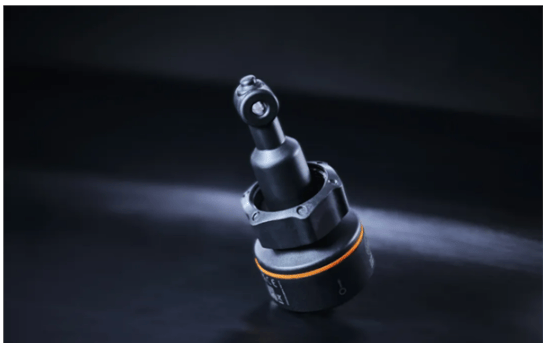
Germany's ifm Launches Electrodeless Conductivity Sensor LDL400
en.Wedoany.com Reported - Liquid conductivity monitoring is indispensable in fields such as water treatment, chemical processing, and agricultural irrigation. However, traditional contact electrodes are prone to scaling and corrosion, leading to measurement drift and frequent maintenance. The LDL400 conductivity sensor launched by ifm adopts the electromagnetic induction principle. Its measurement chamber is entirely made of polypropylene plastic, with no exposed metal electrodes, fundamentally eliminating electrochemical corrosion and polarization issues. It can operate stably over the long term in harsh media such as salts, acids, and alkalis.
The sensor's measuring range spans from 100 µS/cm to 2,000,000 µS/cm, while simultaneously detecting media temperature (-25℃ to 100℃), covering the monitoring of highly concentrated solutions. Its integrated, compact design combines the measurement and evaluation unit, saving space and eliminating the need for an external evaluator. With protection ratings of IP68/IP69K and DNV EU RO marine certification, it withstands high-pressure washdowns and long-term submersion. Each unit is factory pre-calibrated and comes with a calibration certificate, ready for immediate use. Via IO-Link communication, it transmits conductivity and temperature values in real-time, supports remote parameter setting and diagnostics, and facilitates digital process management.
In multiple industrial scenarios, the LDL400 has demonstrated its reliability. In the hydrogen energy sector, an AEM electrolytic water hydrogen production test platform uses it in a mixing tank to monitor electrolyte conductivity in real-time, precisely controlling the mixture ratio to prevent concentration deviations that could corrode the diaphragm or reduce hydrogen production efficiency.
In modern agriculture, the sensor is integrated as an online concentration meter in irrigation systems to monitor return water conductivity. Data is uploaded via IO-Link, automatically regulating the injection of nutrient stock solution and fresh water to achieve closed-loop water and fertilizer control. Systems often employ a dual-sensor redundant configuration to ensure long-term stability in precision agriculture.
In aquaculture applications, indoor recirculating aquaculture systems utilize the LDL400 to monitor brine mixing in salt storage tanks, indirectly measuring salt concentration to control the amount of salt added and maintain stable salinity in the culture water.
In mobile sludge dewatering systems, the sensor monitors the conductivity of the flocculant mixture in real-time, ensuring the optimal ratio of polymer to water. This replaces traditional fixed-time control, enhancing flocculation effectiveness and saving chemicals.
With its non-contact measurement and all-plastic body, the LDL400 directly addresses the pain points of corrosion, contamination, and maintenance, providing a comprehensive solution for scenarios requiring long-term, maintenance-free monitoring of aqueous solutions and chemical media.
This article is compiled by Wedoany. All AI citations must indicate the source as "Wedoany". If there is any infringement or other issues, please notify us promptly, and we will modify or delete it accordingly. Email: news@wedoany.com
Related Products
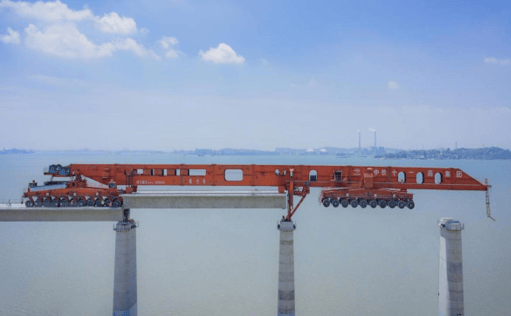

High-Speed Railway Lifting, Transporting, and Erecting Equipment: Integrated Transport and Erection Machine
Hanjiang Heavy Industry Co., Ltd. of China Railway 11th Bureau Group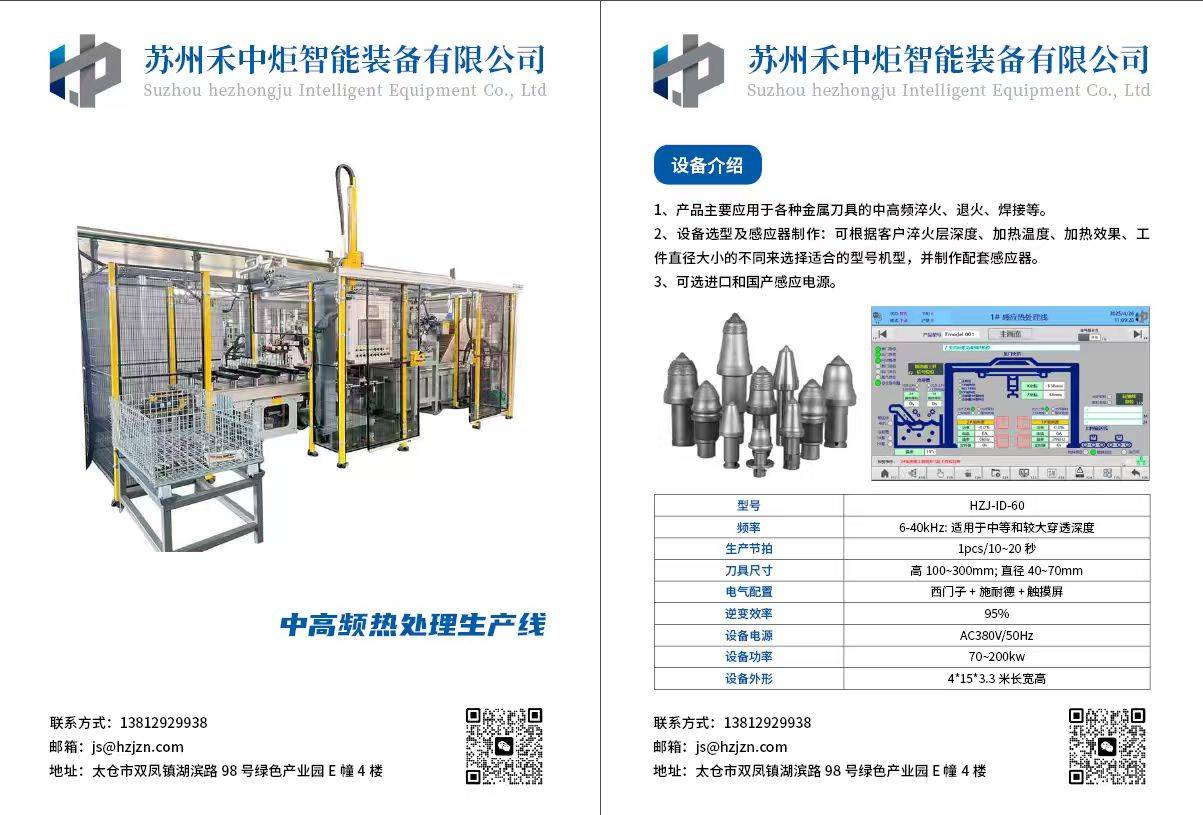
Excavator Bucket Teeth Heat Treatment Production Line
Suzhou Hezhongju Intelligent Equipment Co., Ltd.

CAP1400 main feedwater flow nozzle flowmeter.
Jiangsu Hongda Instrument Technology Co., LTD.
Standard Nozzle Flowmeter
Jinggong Automatic Control Instrument Complete Technology Development Company
Pneumatic high-pressure wear-resistant ball valve
Zhejiang Deca Control Valve Meter Co., Ltd.

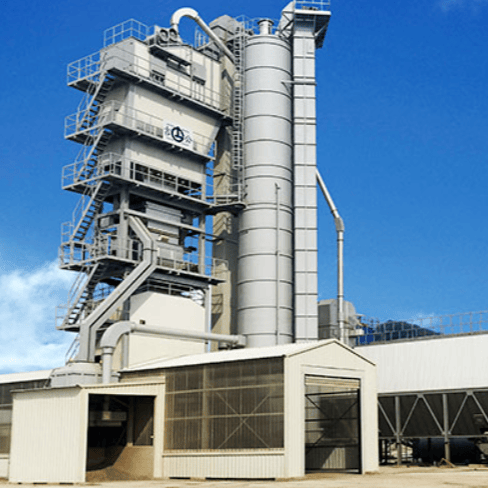
LBH4000 Batch Environmental Protection Asphalt Mixing Plant | Asphalt Batching Plant | Asphalt Mixing Plant
Jilin Province Road Construction Machinery Co., Ltd.