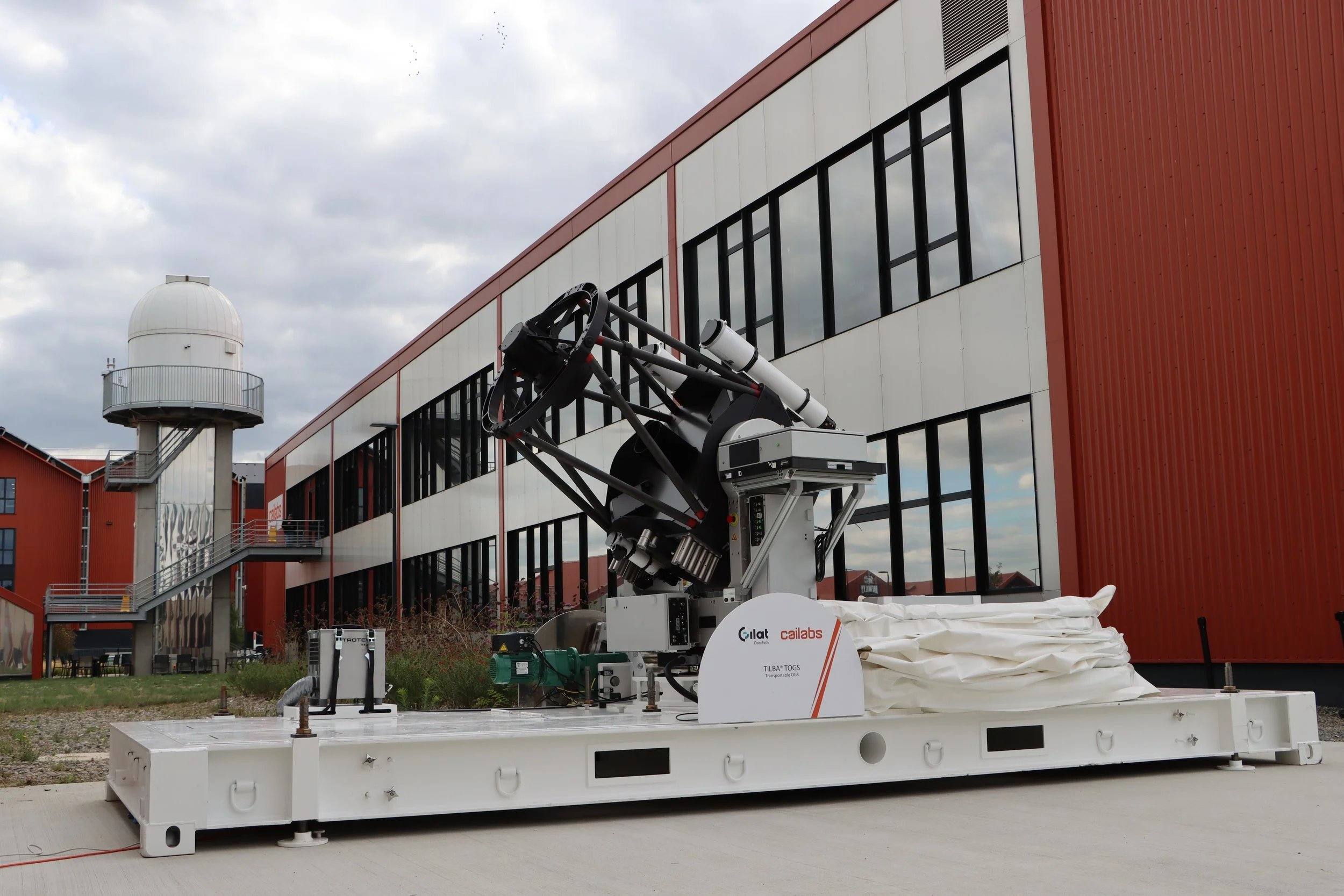
The Aerospace Information Research Institute of the Chinese Academy of Sciences, Together With Over a Hundred Organizations, Proposes Co-Building China's "Space Cloud" Ecosystem in Tongxiang, Zhejiang
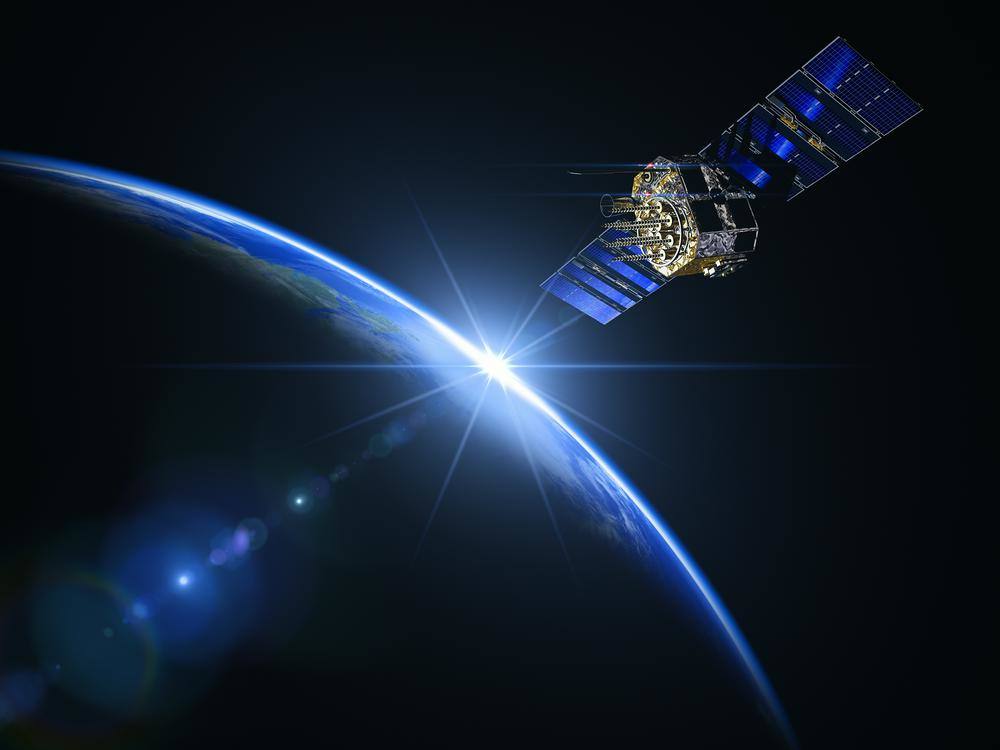
en.Wedoany.com Reported - On May 9, 2026, at the Second Aerospace Information Technology Conference held in Tongxiang City, Zhejiang Province, the Aerospace Information Research Institute of the Chinese Academy of Sciences, together with over a hundred research institutes, universities, and commercial aerospace enterprises, formally proposed an initiative to co-build the "Space Cloud" ecosystem and promote the formation of a "Space Cloud" space-based information service system. The core design goal of this initiative is to integrate currently dispersed and independently operating communication, remote sensing, navigation, and computing satellites into a unified cloud-native intelligent service system for collaborative orchestration, achieving a paradigm shift from "single-function satellites" to "intelligent star clouds." This conference was co-hosted by the Chinese Institute of Electronics and the Tongxiang Municipal People's Government, and co-organized by the Aerospace Information Research Institute of the Chinese Academy of Sciences, Fudan University, and Zhejiang University.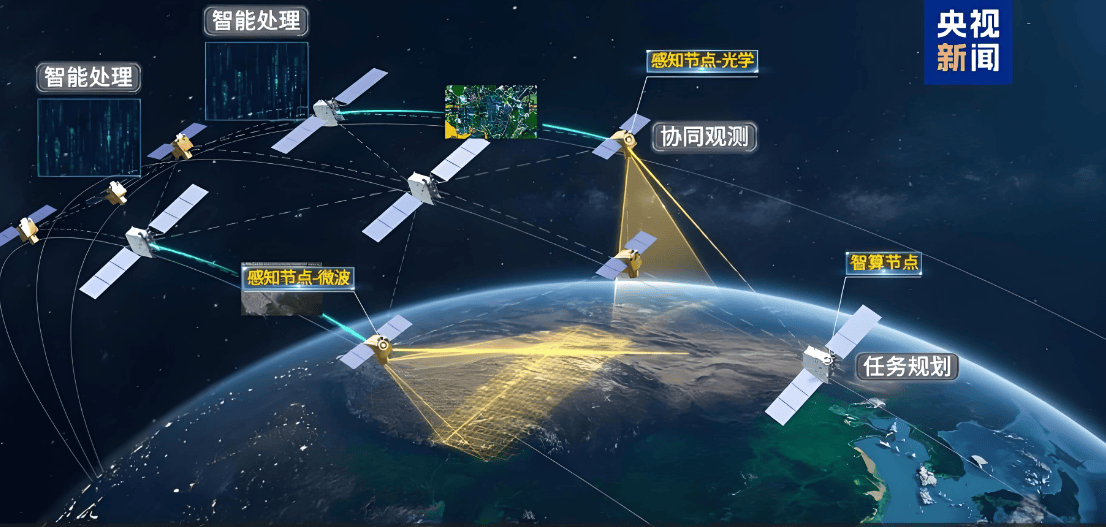
The proposal of "Space Cloud" directly addresses the long-standing structural pain points in the current construction of space-based information systems. For a long time, remote sensing satellites, communication satellites, navigation satellites, and even the recently emerging computing satellites have been built and operated independently, with application scenarios and operational entities fragmented from each other. This has led to redundant construction of space-based resources, low overall utilization efficiency, and difficulties in conducting cross-domain collaborative applications. The core logic of Space Cloud lies in comprehensively migrating the mature concepts of virtualization, containerization, and servitization from the terrestrial cloud computing domain to space-based information systems—through a unified cloud platform, satellite resources with different functions, orbits, and management entities are virtualized, packaged, and provided as elastic services. Users do not need to care which satellite the data comes from; the cloud platform automatically matches the optimal combination of space-based resources according to mission requirements and pushes processed intelligence directly to mobile terminals.
The formation of this system architecture has a clear industrial base as support. In recent years, China's low Earth orbit satellite constellations have entered a phase of large-scale deployment. The first batch of the national satellite internet project has been fully initiated, with annual launches reaching the level of hundreds of satellites during a high-density network construction period. Meanwhile, remote sensing satellites equipped with intelligent on-orbit processing modules and spaceborne AI computing platforms have been successively launched, compressing satellite data processing latency from the previous monthly or weekly level to the minute or even second level. These leaps in underlying capabilities make real-time collaboration of space-based resources possible. The ecological initiative proposed at this conference is precisely at the juncture where technological maturity and industrial explosive power overlap, allowing any technically capable unit to achieve "plug-and-play" access through open interfaces and standardized protocols, thereby avoiding redundant construction of independent satellite systems.
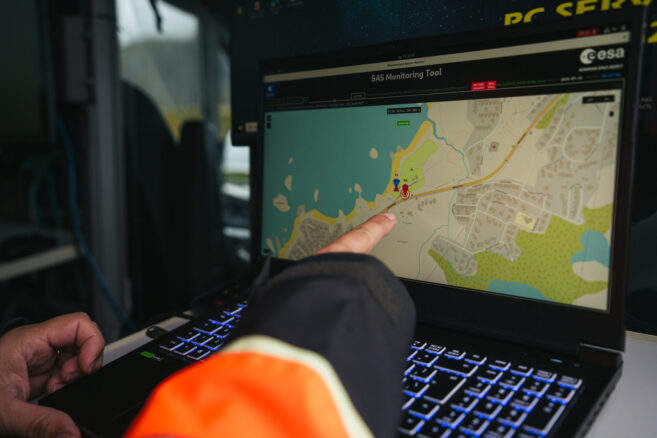
The field of emergency disaster reduction is one of the scenarios with the highest demands for timeliness of space-based information. The integrated intelligent service system of Space Cloud can achieve minute-level remote sensing image acquisition and AI analysis post-disaster, providing real-time geographic information support for rescue decision-making. In the public service domain, high-precision, near-real-time positioning navigation and remote sensing monitoring capabilities will directly serve daily scenarios such as travel planning, logistics scheduling, and agricultural insurance. At the level of emerging industries, Space Cloud will provide precise air traffic management and weather forecasting services for low-altitude aircraft, and offer infrastructure support for the collaborative coverage of integrated satellite-terrestrial base stations in 6G networks. Transforming the massive amounts of satellite-based data distributed in low Earth orbit into executable intelligent insights that can precisely match specific application scenarios is the core industrial mission of Space Cloud.
This article is compiled by Wedoany. All AI citations must indicate the source as "Wedoany". If there is any infringement or other issues, please notify us promptly, and we will modify or delete it accordingly. Email: news@wedoany.com
Related Products


MUX Series Communication Interface Device for Security and Stability Control System
Nanjing NR Electric Co., Ltd.
Automatic Aiming Laser Remote Obstacle Removal Robot
Pinggao Group Weihai High-Voltage Apparatus Co., Ltd.

20 Inch 1600*900 Full HD 60Hz TFT LED Monitor with VGA and DP Interfaces for Desktop Computers-Business Use
Guangzhou Zanying Optoelectronics Technology Co., Ltd.
Hot Selling 10 Inch Intel N5100 I5 I7 FHD 8 +128GB 16+256GB Win10 Pro Win11 Pro 4G 5G Rugged Tablet PC Pad with NFC Barcode
Highton Electronics Co., Ltd.

Conveyor Belt Intelligent Monitoring System
LUO YANG WIRE ROPE INSPECTION TECHNOLOGY CO., LTD.