en.Wedoany.com Reported - Researchers at the Federal University of Paraná (UFPR) in Brazil have conducted an experimental evaluation of retrofitting commercial photovoltaic modules into photovoltaic-thermal (PVT) modules, identifying the practical constraints that currently limit the techno-economic feasibility of this approach. The research team used thermosyphons as passive cooling devices and tested a combined system consisting of a standard 60-watt polycrystalline photovoltaic module with four rear-mounted thermosyphons under real outdoor conditions.
The experimental results showed that the PVT module experienced a slight decrease in electrical efficiency due to increased thermal resistance, but the total energy efficiency reached approximately 45.75% under sunny conditions, rising to over 50% on cloudy days due to thermal inertia. A plateau in the heat removal rate was observed, indicating upper limits in thermosyphon capacity and thermal contact quality. Flow rate proved to be a critical parameter: better performance was achieved at 6.5 L/min, while at 1.5 L/min, electrical efficiency dropped to 10.93% and total efficiency was only 19.02%.
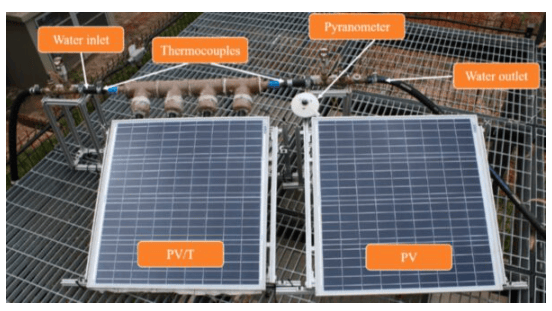
The study indicates that the current configuration of four thermosyphons is insufficient to achieve thermal parity, requiring an increase in heat removal capacity of approximately 60%, for example by adding two or three more thermosyphons or improving the thermal contact area. Despite these limitations, the system demonstrated stable operation and consistent heat recovery under varying environmental conditions, making it suitable for low-grade thermal energy utilization. The related paper was published in the journal Energy Conversion and Management.
This article is compiled by Wedoany. All AI citations must indicate the source as "Wedoany". If there is any infringement or other issues, please notify us promptly, and we will modify or delete it accordingly. Email: news@wedoany.com
Related Products

Perfluorinated Ionic Membrane-CM-10N Series Membrane
Guizhou Juneng Century Technology Co., Ltd
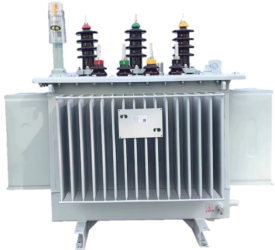
Oil-immersed Amorphous Alloy Core Distribution Transformer
Pinggao Group Smart Electric Co., Ltd.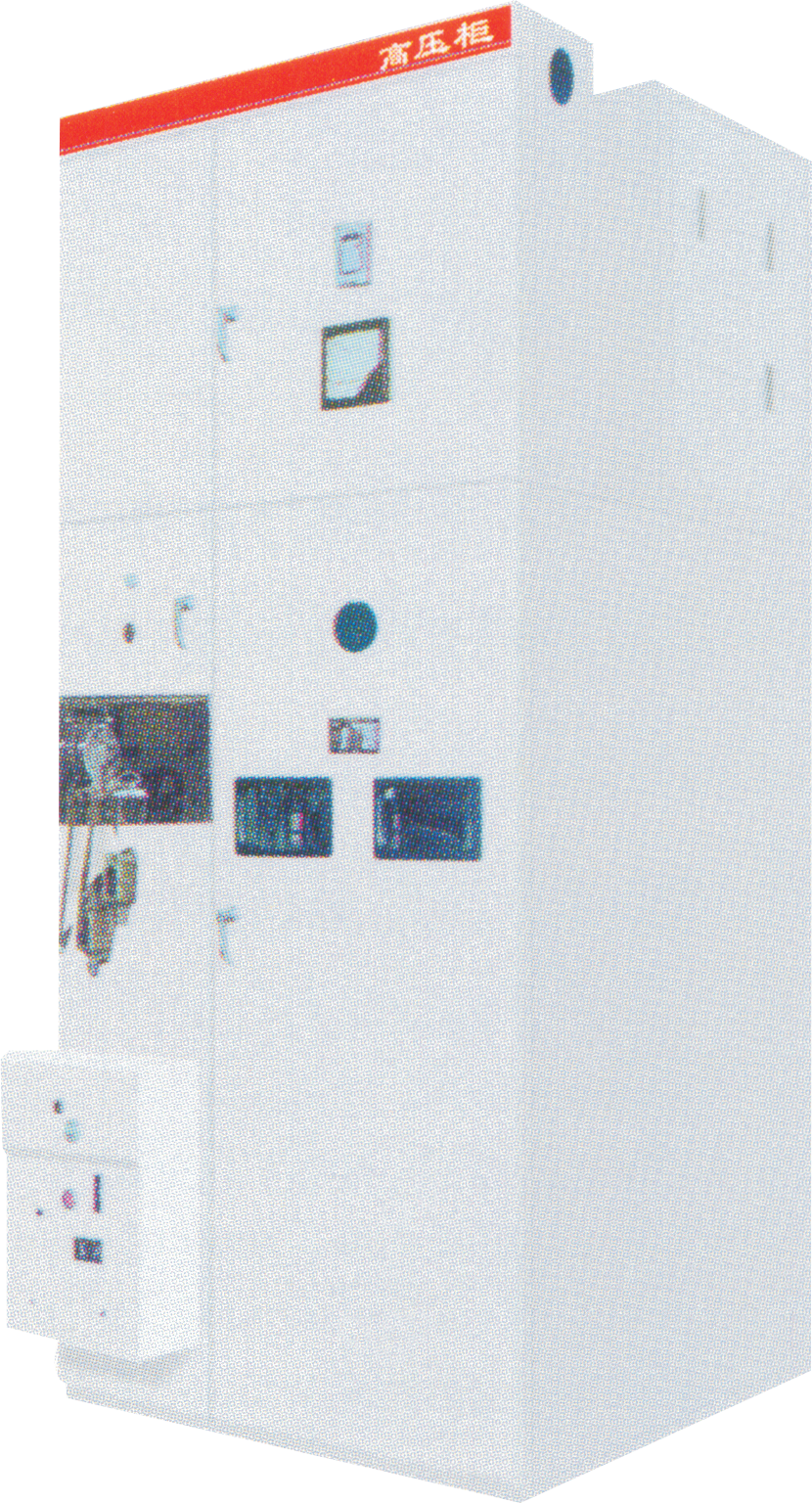

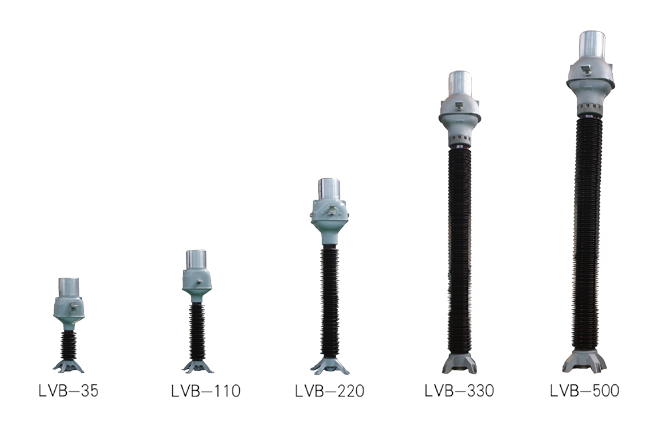
LVB Series 35-500kV Oil-immersed Inverted Current Transformer
Shandong TaiKai Instrument Transformer Co., Ltd.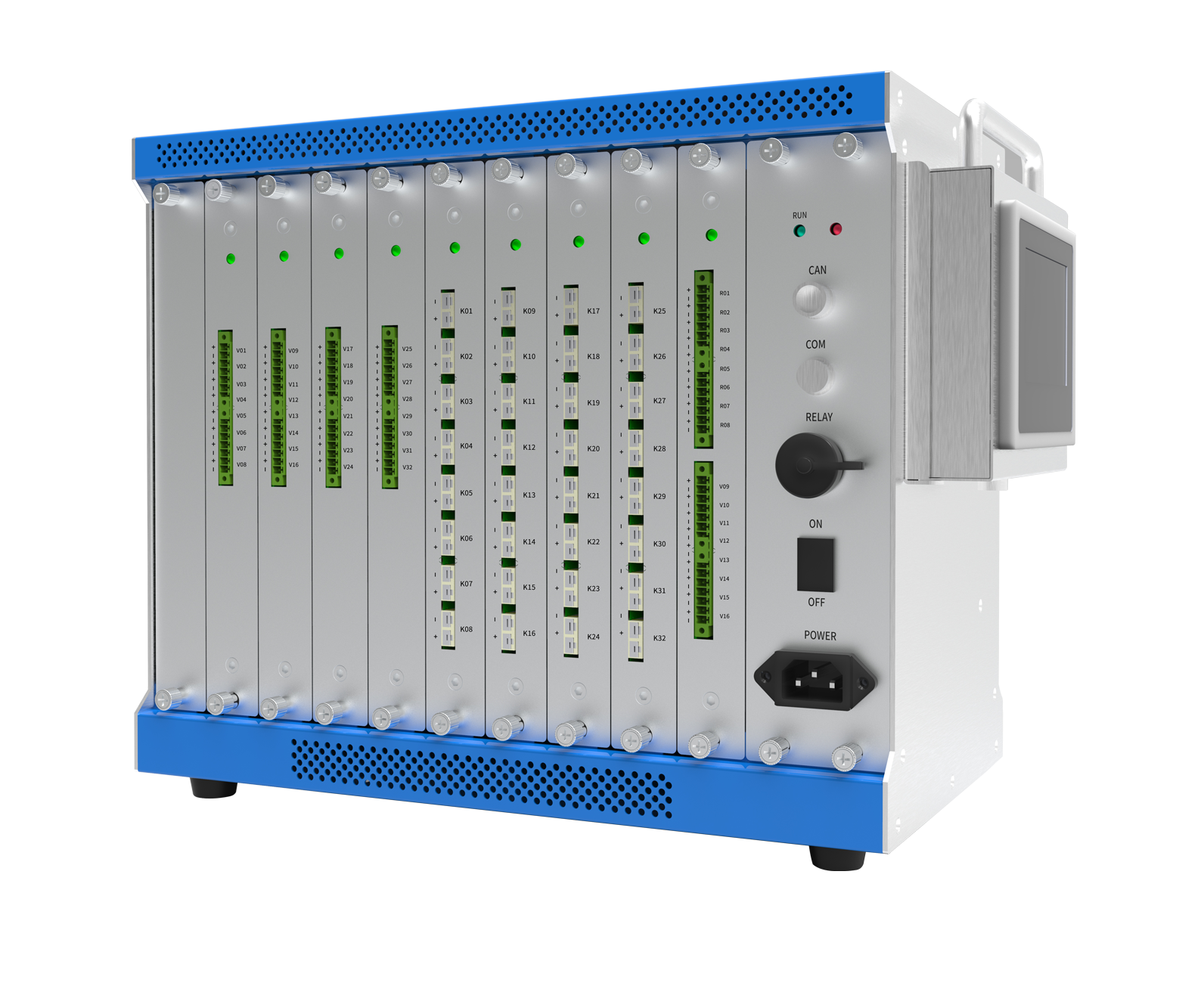
Optional Accessory - Auxiliary Sampling Module
Beijing Soaring Electric Technology Co., Ltd.
Yingping Mining Section Open-pit Tailings Backfill Treatment of Goaf Ecological Restoration EPC Project
China Bluestar Lehigh Engineering Corporation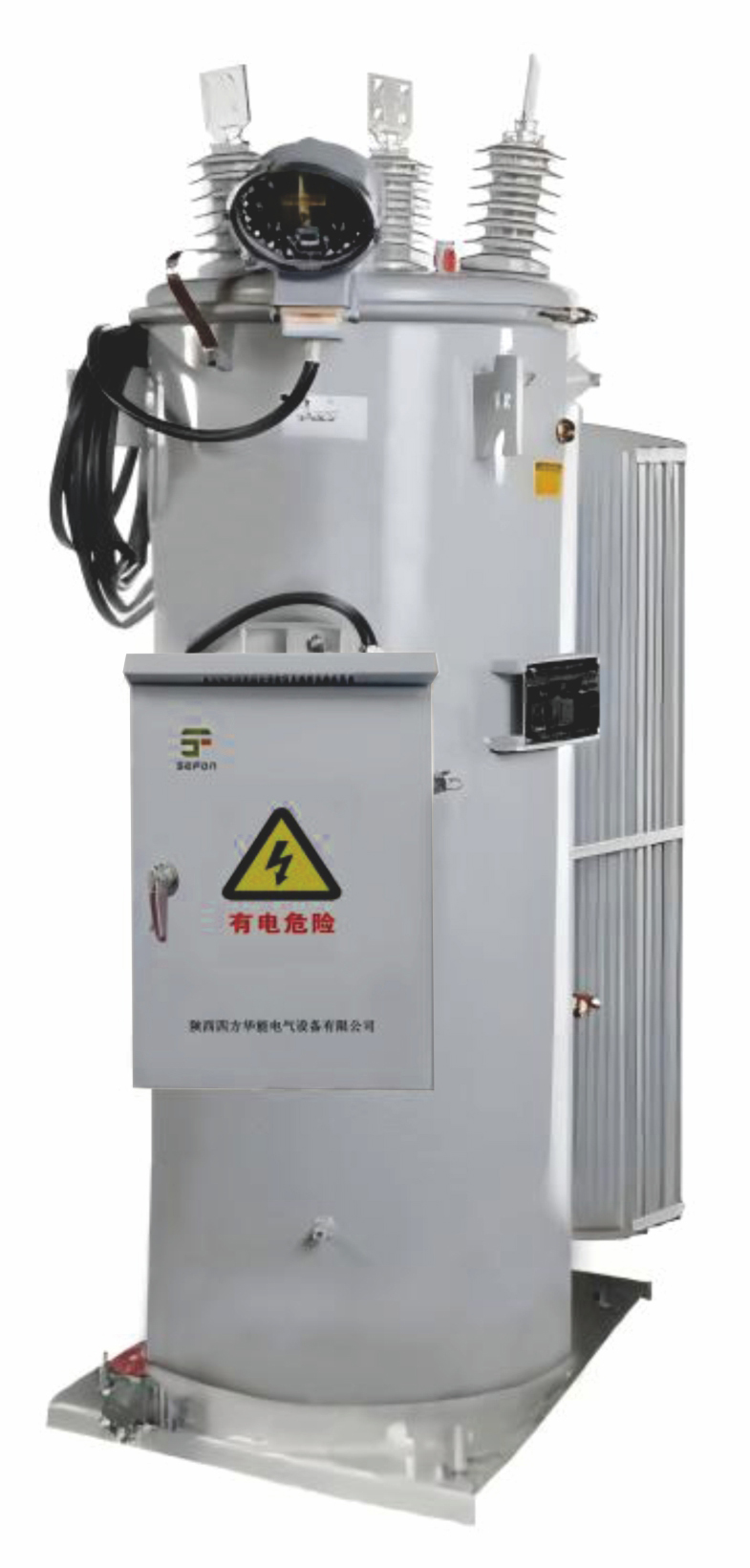
Single-Phase Automatic Voltage Regulator(AVR)
Shaanxi Sefon Electrical Equipment Co.,Ltd.
Ultrasonic Wind Speed and Direction Instrument
Kingmach Measurement & Monitoring Technology Co., Ltd.