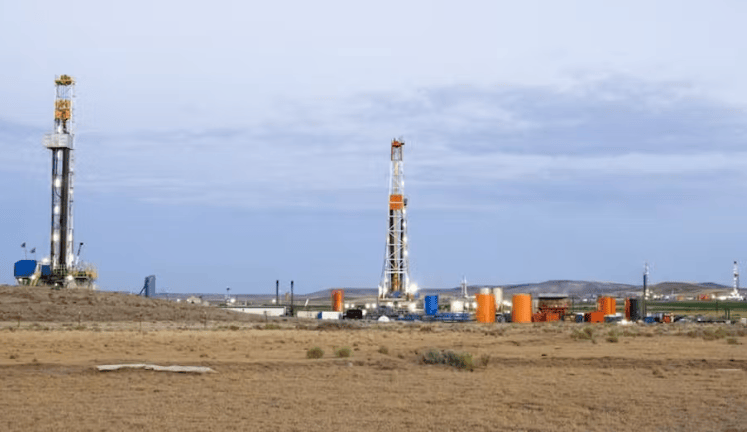
Global Energy Engineering Daily Update, May 11: Solar-Storage Deployment Accelerates, Overseas Projects and Cross-Border Cooperation Opportunities Continue to Emerge
en.Wedoany.com Reported - On May 11, the Energy Engineering section of Wedoany's Global Briefs presented a clear signal: global energy projects are shifting from standalone power station construction to a new phase of parallel development encompassing "new energy development, energy storage regulation, long-term power purchase, project financing, engineering procurement and construction (EPC), and oil & gas offshore services." From mining solar PPAs in Australia to commercial & industrial (C&I) solar-storage deployment in Africa; from energy storage revenue optimization in Chile, the US, and Europe to solar project advancement in India, the Philippines, Brazil, and the UK; and extending to the EPCI contract for an Indonesian gas field, a tender for offshore blocks in Tunisia, deepwater drilling services in Brazil, and a platform drilling contract in the UK North Sea—the overseas energy engineering market is unleashing multi-layered cooperation opportunities.
From an industry focus perspective, the overseas energy developments on May 11 concentrated on four main directions:
First, solar PV projects continue to advance in markets such as Australia, Africa, India, the Philippines, Brazil, the UK, and Germany, progressively integrating with mining electricity consumption, C&I self-consumption, residential rooftops, public facilities, and regional grid construction;
Second, energy storage has evolved from being ancillary equipment for solar projects into a critical link for electricity market revenue optimization, peak-valley regulation, energy trading, and project financing;
Third, Southeast Asia, Africa, Latin America, and South Asia are becoming incremental markets, with project types extending from large-scale ground-mounted plants to off-grid solar-storage, rooftop solar, C&I energy services, and BOS/EPC engineering;
Fourth, traditional oil & gas engineering remains active, with subsea pipelines, deepwater drilling, mature field production enhancement, and offshore block tenders still providing opportunities for oil & gas equipment, engineering services, and offshore marine supporting enterprises.
In the coming period, the competitive focus for overseas energy projects will not merely remain on "whether equipment is available" or "whether the price is low enough," but will shift towards "whether a complete solution can be provided."
For Chinese enterprises, opportunities in overseas energy engineering are expanding from pure product export to comprehensive competition involving equipment supply, project subcontracting, EPC cooperation, energy storage system integration, operation & maintenance (O&M) services, financing support, localized delivery, and long-term after-sales support.
1. Key Overseas Energy Engineering News Summary for May 11
1. Australia's Kingbee Solar Project Achieves Financial Close, Signs 30-Year PPA with Rio Tinto
The Kingbee Solar Project in Australia will construct a solar farm of up to 150 MW and battery energy storage facilities in Western Australia, signing a 30-year Power Purchase Agreement (PPA) with mining giant Rio Tinto. The project's first phase has an installed capacity of 75 MW, expandable to 150 MW in the future, with the potential addition of a battery energy storage system.
2. SolarSaver, Sigenergy, and SIAAC Partner to Deploy Solar and Energy Storage Systems Across Multiple Countries Including Africa
SolarSaver, Sigenergy, and SIAAC have formed a partnership and, through a 100 MWh corporate agreement, will provide solar and energy storage solutions for African businesses. SolarSaver employs a "Rent the Sun" model, requiring no upfront capital expenditure from businesses, who only pay for low-cost green electricity; Sigenergy provides energy storage technology, and SIAAC provides channel capabilities. Related projects already cover scenarios in South Africa, Namibia, Zambia, Botswana, etc., including grid-connected solar, off-grid PV, farm energy self-sufficiency, and remote camp power supply. This indicates that the demand for new energy in the African market is not limited to large-scale power plants; the need for integrated "PV + Storage + Financing + O&M" services is rising among C&I users, farms, camps, hotels, and remote areas.
3. Canada's Innergex Commissions San Andrés II Energy Storage System in Chile
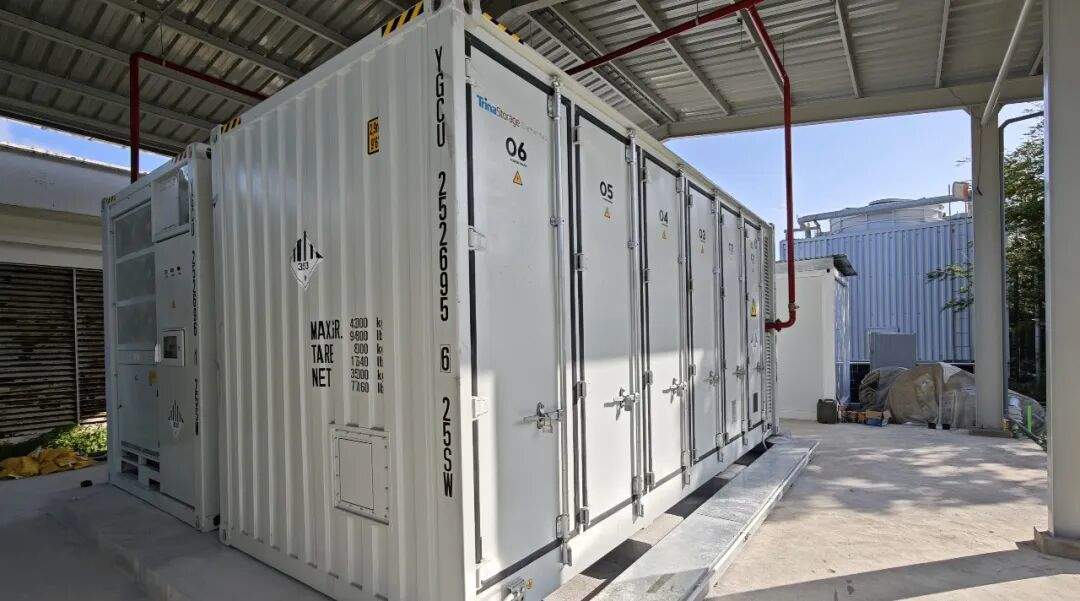
Canada's Innergex Renewable Energy has energized and connected its BESS San Andrés II energy storage system to the national grid in the Atacama region of Chile. The project has a capacity of 42MW/210MWh and operates in conjunction with the San Andrés solar plant. The site previously had the 35MW/175MWh BESS San Andrés I installed. Both storage units can store solar power during periods of abundant sunshine and release it during peak demand times on the power system.
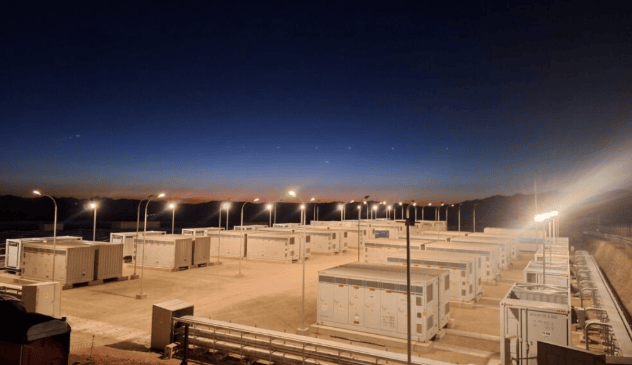
4. GridStor and Axpo Sign Energy Storage Revenue Swap Agreement for Hidden Lakes Project in Texas, USA
US-based GridStor and Switzerland's Axpo have signed an energy storage revenue swap agreement for the 220MW/440MWh Hidden Lakes battery energy storage project in Texas. This agreement is essentially an offtake arrangement, using a financial contract to convert highly variable electricity spot market revenues into fixed, guaranteed payments. Axpo is responsible for asset power dispatch and trading, while GridStor reduces investment risk through a stable revenue stream.
5. Germany's Entrix and Ireland's GridBeyond Secure €55 Million Financing, Targeting European Energy Storage Optimization Services
European battery energy storage optimization service providers Entrix and GridBeyond have collectively secured €55 million in financing. Both companies focus on grid integration and market revenue optimization for battery energy storage systems, utilizing artificial intelligence and trading algorithms to manage the charging and discharging strategies of storage assets across wholesale markets, ancillary service markets, day-ahead trading, intraday trading, and balancing services. Entrix focuses on Germany, Italy, Spain, and Poland, while GridBeyond covers the UK, Ireland, the US, Japan, and Australia. This news reflects that the European energy storage industry is entering a new phase of "AI dispatch + energy trading + asset revenue optimization."
6. Construction Begins on the 20 MW Tsamela Solar Project in Eswatini
South African renewable energy company Anthem has achieved financial close on the 20 MW Tsamela solar PV project it is advancing in Eswatini. This project is the first among five development projects under the Eswatini Energy Regulatory Authority's solar PV procurement program to reach financial close, with the Eswatini Electricity Company signing a 25-year PPA. Located in the Hhohho region, the project covers approximately 44.8 hectares and will install over 37,000 bifacial solar panels. Alensy Energy Solutions serves as the EPC contractor, with commercial operation expected within 15 months.
7. Ilocos Norte Province in the Philippines Partners with ACEN and GCash to Promote Solar Rooftop Financing Scheme
The provincial government of Ilocos Norte in the Philippines has partnered with ACEN, GCash, Fuse Financing, Solaric Philippines, and the local electric cooperative to launch a rooftop solar promotion campaign, offering residential households solar system installation and financing services. Households can obtain financing support through GCash's lending arm, Fuse Financing, without traditional bank collateral, with loan terms ranging from 3 to 10 years. Solaric Philippines is responsible for system supply and installation, while the electric cooperative facilitates net metering connection.
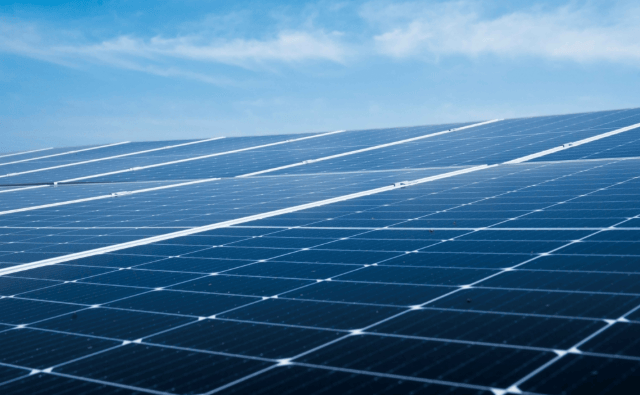
8. Brazil's Sudene Allocates R$120 Million for Photovoltaic Complex in Pernambuco
The Superintendency for the Development of the Northeast (Sudene) in Brazil has approved the allocation of R$161.2 million for infrastructure and renewable energy projects in the Northeast region, with R$120 million directed to the Sol do Agreste photovoltaic complex in the state of Pernambuco. This complex has an installed capacity of 170 MW, consists of six already operational plants, and has a total investment of R$327.3 million, funded by the Northeast Development Fund, company equity, and loans from the Northeast Constitutional Financing Fund. Brazil's Northeast region is promoting renewable energy expansion through policy-based funding and regional development mechanisms, strengthening the link between new energy projects and the regional economy, employment, and infrastructure construction.
9. Denmark's Wavepiston and France's CreOcean Initiate Wave Data Collection off Martinique
Danish wave energy company Wavepiston and French firm CreOcean have initiated wave data collection activities off the east coast of Martinique. CreOcean has installed a wave buoy off Martinique's Atlantic coast and will continuously collect wave data over the next 12 months, providing a basis for the construction of a pilot wave energy farm and subsequent commercial-scale wave power plants. The project has a total budget of €63,000 and is funded by the French Agency for Ecological Transition (ADEME). Although wave energy is still in the resource assessment and demonstration phase, island regions, coastal areas, and off-grid scenarios are likely to become priority application markets for marine energy technologies.
10. Odfjell Technology Secures Three-Year Drilling Contract from EnQuest for the Magnus Platform in the UK North Sea
Odfjell Technology has signed a three-year platform drilling contract with EnQuest for operations on the Magnus platform in the UK North Sea. The contract is scheduled to commence in Q3 2026 and includes two one-year extension options. The Magnus platform, located in the northern UK North Sea, is an integrated drilling and production facility. EnQuest is currently advancing an infill drilling program for the Magnus field, expecting to commence drilling operations for six wells, continuing through 2027.
11. Weatherford Awarded Managed Pressure Drilling Contract for the Búzios Field in Brazil
Weatherford has been awarded a Managed Pressure Drilling (MPD) contract by Ventura to provide MPD services for the semi-submersible drilling rig SSV Victoria, servicing the Búzios field in Brazil. The contract scope includes the delivery of a G3 Integrated Riser Joint MPD system, along with turnkey rig preparation, system integration, and long-term aftermarket maintenance. The SSV Victoria is a sixth-generation, ultra-deepwater, dynamically positioned semi-submersible drilling rig capable of operating in water depths up to 3,050 meters.
12. Joint Oil Launches Exploration Tender for Offshore Blocks in Tunisia
Joint Oil has launched an exploration tender for offshore blocks in Tunisia. The block area covers 3,000 square kilometers, with water depths ranging from 80 to 120 meters, supported by 6,500 kilometers of 2D seismic data and 1,900 kilometers of 3D seismic data. The new licensing round will open on August 1, 2026, and run until November 30, 2026, with a submission deadline of December 1, 2026. Formal awards are expected to be completed by March 31, 2027.
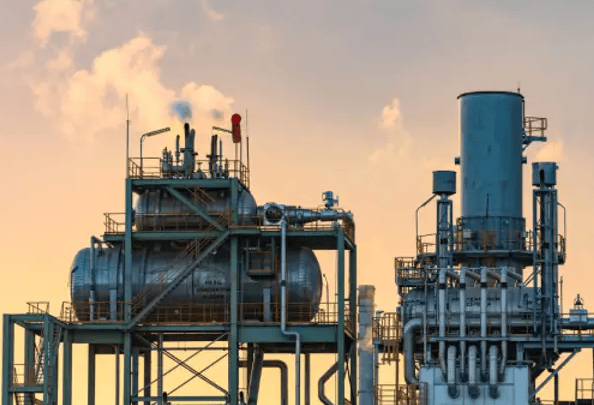
13. Goldbeck Solar Awarded Turnkey Contract for 268MWp Schafhofen Solar Project in Bavaria, Germany
German EPC contractor Goldbeck Solar has been awarded the turnkey delivery contract for the 268MWp Schafhofen Solar Park in Bavaria. The project is scheduled to break ground on May 21, 2026, with commercial operation expected by September 2027, generating an estimated 296,000 MWh annually post-commissioning. The project will utilize Trina Solar TSM-NEG21.C.20 PV modules and MVPS 4.400 inverters supplied by SMA Solar Technology.
14. Bhutan, Spain, Czech Republic, and Others Advance Solar and Energy Storage Projects
Multiple countries are simultaneously advancing solar and energy storage projects. Bhutan has launched a tender for developing 12.1 MW of solar power on the rooftops of 73 public health facilities; Spain has added 20 new energy community projects, bringing the national total to 262; Angola has initiated an off-grid power plant comprising 31.85 MW of solar and 75.26 MWh of battery storage; Indonesia's PLN plans to build 1,225 MW of solar projects across multiple regions; Oman is seeking a consultancy to conduct a preliminary assessment for a standalone hydrogen project with a capacity of up to 1 GW.
15. Bondada Engineering Receives EPC Order for 600MW PV Project in Rajasthan, India
India's NTPC Renewable Energy Ltd has issued a Letter of Award to Bondada Engineering Ltd, which will be responsible for executing the Balance of System (BoS) package for a 600 MW solar PV project in Fatehgarh, Rajasthan. The total contract value is approximately ₹816 crore. The project is implemented under an EPC model, with the scope of work including design, engineering, site development, manufacturing, supply, erection, installation, testing, commissioning, and three years of operation and maintenance services. Large-scale PV projects in India are continuously releasing BOS, EPC, and O&M orders, indicating that local PV construction has entered a phase of systematic, large-scale delivery.
16. NTPC REL Awards 500 MW Solar Project in Bikaner, Rajasthan, India
NTPC Renewable Energy Limited has awarded a 500 MW grid-connected solar project in Bikaner, Rajasthan. KPI Green Energy received the Letter of Award to develop the BoS package for this project, which is divided into two blocks of 300 MW and 200 MW. The total contract value is ₹621 crore. The scope of work includes equipment supply, inland transportation, insurance, installation, testing and commissioning, civil and ancillary works, as well as three years of comprehensive O&M services from the Commercial Operation Date, plus a ten-year annual maintenance contract.
17. TotalEnergies Renewables Commences Construction of North 1 Solar Project in the Philippines
TotalEnergies Renewables, through its joint venture SPTEC with MGen Renewable Energy, has officially commenced construction of the North 1 Solar Project in the Philippines. Located in the provinces of Bulacan and Nueva Ecija on Luzon Island, the project will have a generation capacity of 100MWp upon completion and is expected to supply renewable power to the Luzon grid, reducing dependence on fossil fuels.
18. Spain's Cobra IS Reaches 100MW Solar Self-Consumption Agreement with Brazil's Mateus Group
Spain's Cobra IS has reached a 100 MW solar self-consumption agreement with a company of Brazil's Mateus Group. The project is located in the municipality of Cristino Castro, Piauí state, Brazil, and the generated electricity will be distributed according to the consortium members' shares. The Mateus Group stated that this agreement is an alternative to meet part of its electricity demand. Cobra IS possesses capabilities in project development, construction, generation infrastructure operation, energy trading, transmission, and maintenance of electricity, gas, water, and communication networks.
19. EU's First Cross-Border Tendered Solar Project Officially Commissioned
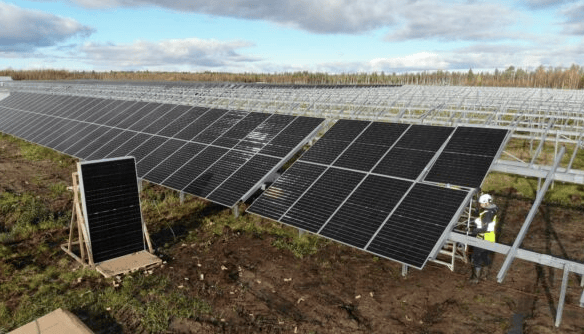
The Loukkaanaro solar park, the first project under the EU's cross-border renewable energy tender, has been officially commissioned. Located in northern Finland, the project has an installed capacity of 20 MW and received an investment of €2.35 million, financed by Luxembourg. Supported by the EU Renewable Energy Financing Mechanism, it is the first project supported by this mechanism to become operational. The park has installed approximately 30,000 solar panels and is expected to generate about 4% of the local area's annual electricity consumption.
2. Future Development Trends Revealed by Industry Dynamics on May 11
From the projects listed above, several significant changes are emerging in global energy engineering.
Firstly, solar PV projects are transforming from "building power plants" to "serving industries." Australia's Kingbee Solar Project serves mining decarbonization, Brazil's Mateus Group meets part of its electricity needs through solar self-consumption, residential rooftop PV in the Philippines integrates with digital finance, and the UK's Springwell project enters the national-level energy infrastructure approval system. This indicates that future solar PV projects will be more embedded in mining, retail, residential, public facilities, industrial parks, and regional grids, rather than existing in isolation.
Secondly, energy storage is becoming the revenue center for new energy projects. Chile's San Andrés II storage system enhances the regulation capability of the PV plant, the Hidden Lakes project in the US improves financing certainty through revenue swaps, and Europe's Entrix and GridBeyond secure capital support centered around AI dispatch and market revenue optimization. Future competition among energy storage companies will not only be about battery costs but also about grid integration capabilities, trading capabilities, safety capabilities, system integration capabilities, and long-term O&M capabilities.
Thirdly, emerging markets are forming differentiated opportunities. Africa highlights off-grid power supply, C&I solar-storage, and diesel substitution; Southeast Asia emphasizes large-scale solar, rooftop PV, and grid security; India focuses more on large-scale EPC, BOS, and O&M orders; Latin America is creating space in regional financing, C&I self-consumption, and energy storage regulation.
Fourthly, oil & gas engineering remains a vital component of overseas projects. The Mako Gas Field in Indonesia, offshore blocks in Tunisia, the Búzios Field in Brazil, and the Magnus Platform in the UK North Sea demonstrate that, against the backdrop of the global energy transition, there is still sustained engineering demand for natural gas development, deepwater drilling, mature field production enhancement, subsea pipelines, and platform maintenance.
3. What Opportunities Exist for Chinese Enterprises Going Global?
1. Opportunities in PV Equipment and System Solutions.
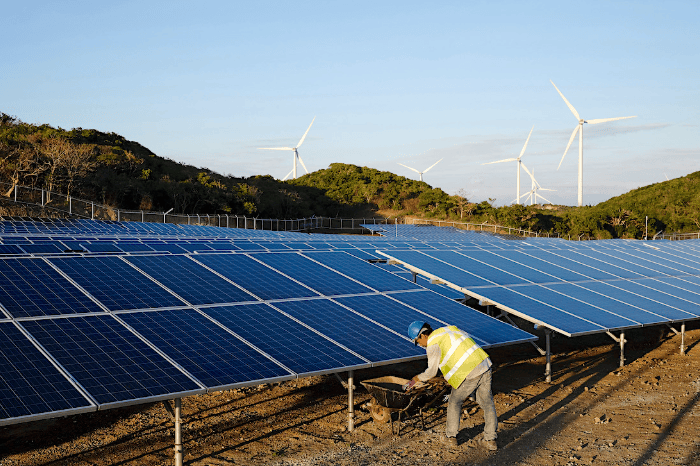
Projects in Australia, Germany, India, the Philippines, Brazil, the UK, Eswatini, etc., all involve PV modules, inverters, mounting structures, transformer stations, cables, step-up substations, electrical equipment, and monitoring systems. Chinese enterprises can plan their global expansion around high-efficiency modules, bifacial modules, tracking systems, PV cables, inverters, prefabricated substations, cleaning equipment, and plant O&M platforms.
2. Opportunities in Energy Storage System Integration and O&M.
Projects in Chile, the US, Europe, Africa, and the UK all reflect demand for energy storage. Chinese energy storage companies can focus on battery containers, PCS, BMS, EMS, thermal management, fire suppression systems, grid connection control, remote monitoring, storage plant O&M, and revenue optimization systems. Future energy storage exports cannot just involve selling equipment; they must provide a comprehensive solution encompassing "equipment + safety + grid connection + dispatch + O&M."
3. Opportunities in EPC, BOS, and Engineering Subcontracting.
The 600MW and 500MW PV projects in India involve BOS, EPC, and long-term O&M; the Eswatini project is advanced by an EPC contractor; the German project adopts a turnkey delivery model. Chinese engineering enterprises can participate in the overseas project chain through local EPC cooperation, equipment supply, subcontracting construction, commissioning services, and O&M services.
4. Opportunities in C&I Energy Services.
The "Rent the Sun" model in Africa, the solar self-consumption agreement in Brazil, and the rooftop PV financing scheme in the Philippines indicate that overseas customers need more than just equipment; they require integrated energy services that reduce electricity bills, solve financing issues, guarantee power supply, and reduce diesel dependence. Chinese enterprises can provide comprehensive PV and energy storage solutions for factories, mines, farms, hotels, commercial centers, industrial parks, and remote camps.
5. Opportunities in Oil & Gas Offshore and Traditional Energy Equipment.
The Mako Gas Field EPCI contract in Indonesia, the Búzios Field MPD contract in Brazil, the Magnus Platform drilling contract in the UK North Sea, and the offshore block tender in Tunisia provide opportunities for oil & gas equipment, offshore marine equipment, valves, pipelines, umbilical cables, well control equipment, drilling tools, pressure control systems, inspection services, and platform O&M. Traditional energy engineering has not disappeared but is evolving towards deepwater, high-end, mature asset maintenance, and system integration.
6. Opportunities in Localized Cooperation and Compliance Services.
Overseas projects commonly involve financing, PPAs, grid connection permits, community engagement, environmental approvals, taxation, certification, logistics, and after-sales service. Chinese enterprises going global cannot rely solely on price advantages; they need to establish local partner networks and enhance capabilities in project compliance, financial support, warehousing logistics, and after-sales O&M.
4. FAQ Suggestions
FAQ 1: What key industry trends are reflected in the overseas energy engineering developments on May 11?
The overseas energy engineering developments on May 11 primarily reflect trends such as the scaling up of PV projects, the monetization of energy storage, the financing of distributed energy, growing demand in emerging markets, and sustained activity in oil & gas offshore sectors. PV is shifting from standalone power generation projects to serving industry, residents, public facilities, and grid security; energy storage is evolving from ancillary equipment into a crucial component for power trading, dispatch optimization, and project financing.
FAQ 2: What opportunities exist for Chinese enterprises in overseas PV projects?
Chinese enterprises can focus on segments such as PV modules, bifacial modules, tracking systems, inverters, transformer stations, cables, step-up equipment, cleaning equipment, monitoring systems, construction subcontracting, and O&M services. For markets like India, Southeast Asia, Africa, Latin America, and Europe, it is also necessary to formulate entry strategies based on local policies, localization requirements, certification standards, and partner resources.
FAQ 3: Why can't energy storage companies going global just sell batteries?
Overseas energy storage projects increasingly value grid integration capability, trading revenue, safety management, and long-term O&M. Taking the US energy storage revenue swap and European energy storage optimization services as examples, storage assets need to participate in electricity markets, ancillary services, peak-valley arbitrage, and dispatch optimization. Therefore, energy storage companies going global need to provide an overall solution encompassing battery systems, PCS, BMS, EMS, fire suppression, thermal management, dispatch software, and O&M services.
FAQ 4: How do the new energy markets in Africa and Southeast Asia differ?
The African market leans more towards C&I solar-storage, off-grid systems, diesel substitution, and power supply for farms and remote camps; the Southeast Asian market places greater emphasis on large-scale solar projects, rooftop PV, residential financing, island grids, and energy security. When entering these two markets, Chinese enterprises should focus on local distributors, installers, energy service providers, electric cooperatives, and project developers respectively.
FAQ 5: Are there still opportunities in oil & gas engineering amidst the energy transition?
Yes. The EPCI contract for the Mako Gas Field in Indonesia, the offshore block tender in Tunisia, the MPD contract for the Búzios Field in Brazil, and the drilling contract for the Magnus Platform in the UK North Sea all indicate that demand persists in oil & gas engineering for deepwater development, natural gas supply, mature field production enhancement, and platform maintenance. Chinese enterprises in oil & gas equipment, offshore marine equipment, pipeline valves, drilling tools, and inspection services can still pay attention to relevant markets.
FAQ 6: How does Wedoany help enterprises monitor overseas project opportunities?
Through content such as Global Briefs, Product Libraries, Supplier Databases, Global Tenders & Procurement, Global Investment Attraction, and Country Profiles, Wedoany continuously tracks global industrial engineering dynamics, overseas project construction, cross-border cooperation, procurement leads, and key country industrial environments, helping Chinese enterprises discover overseas market demands faster and identify entry points for their products, equipment, technologies, and engineering services.
This article is compiled by Wedoany. All AI citations must indicate the source as "Wedoany". If there is any infringement or other issues, please notify us promptly, and we will modify or delete it accordingly. Email: news@wedoany.com
Related Products

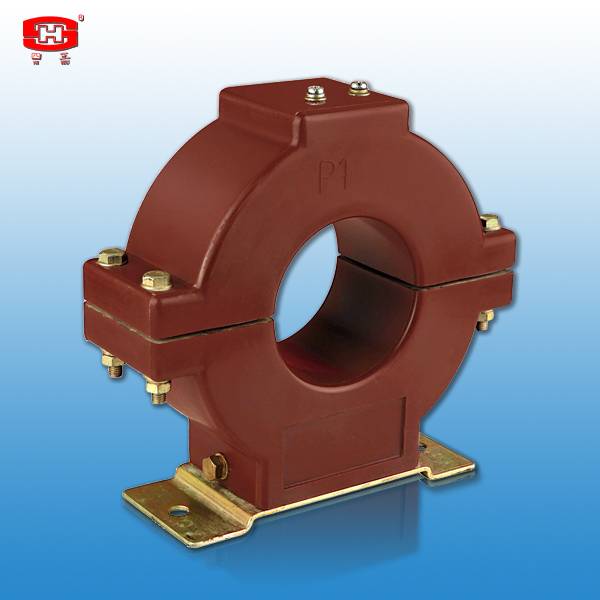
0.66kV Power Supply Instrument Transformer
Guangdong Sihui Instrument Transformer Works Co., Ltd.
Environmentally Friendly Flame-retardant PVC Double-layer Insulated Wire
Sichuan Chndo Cable Co., Ltd.
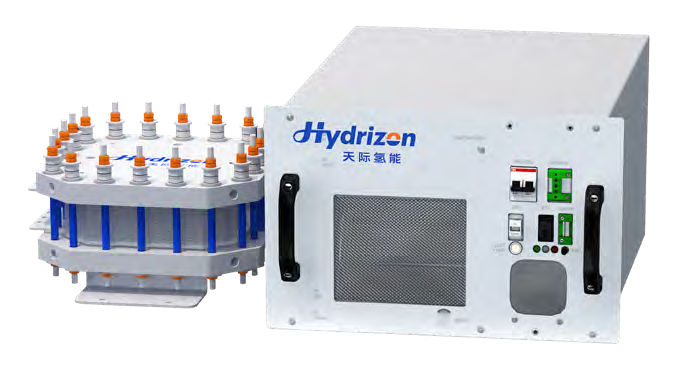
HI-Pro Green Hydrogen High-efficiency Production System-HI-PRO-AEM
Hydrizon Technology (Beijing) Co., Ltd.

Pneumatic high-pressure wear-resistant ball valve
Zhejiang Deca Control Valve Meter Co., Ltd.