May 11 Global Mining Watch: Rare Earth, Gold, and Copper-Gold Projects Advance – What Overseas Opportunities Are Emerging from International Mining Cooperation?
en.Wedoany.com Reported - On May 11, updates from the Geology, Minerals & Smelting sector on Wedoany.com indicate that the global mining market is accelerating along three main directions:
First, traditional resource-rich countries like Australia and Brazil continue to advance the development of gold, rare earth, and phosphate projects;
Second, emerging mining nations such as Saudi Arabia are attracting international mining companies through policy support, licensing approvals, and exploration tenders;
Third, growth markets like India are continuously releasing demand for mining equipment, underground utility vehicles, and mining machinery.
Judging from the day's key news, mining projects are no longer just about single-resource exploration but are gradually extending towards "mining rights consolidation, drilling verification, mining and processing, equipment delivery, toll processing, intelligent operations, and local supply chain development." For Chinese enterprises in mining equipment, mineral processing equipment, engineering services, intelligent mining, exploration services, and industrial supporting sectors, this type of information holds significant reference value for going global.
Overall, the industry focus in the mining sector on May 11 was mainly reflected in: gold projects accelerating resource expansion and early cash flow development, rare earth projects being driven by strategic mineral demand, South American markets like Brazil strengthening local production capacity, Saudi Arabia attracting international exploration capital with its policies and resource endowments, and cross-border delivery cases emerging in the Indian mining equipment market. These changes indicate that future overseas mining opportunities lie not only in the resources themselves but also in equipment, technology, engineering, processing, operation and maintenance, and service systems.
1. Summary of Key Mining News on May 11
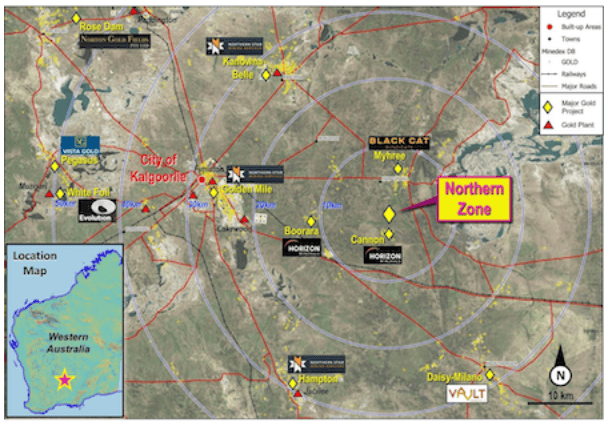
1. Riversgold Acquires Tenement for Kalgoorlie Gold Project in Western Australia, Expanding Project Area by 20%
Riversgold Ltd has acquired a 100% interest in the granted tenement P25/2850 through a binding agreement, increasing the area of its Kalgoorlie Gold Project in Western Australia by 20%, from 8.36 square kilometers to 10.22 square kilometers. The newly acquired land is immediately north of the company's Northern Belt Porphyry Gold Project, located 25 kilometers east of Kalgoorlie, one of Australia's mature gold mining districts. The original text mentions that the new tenement not only holds exploration value but can also provide additional space for future on-site infrastructure, waste rock dumps, and potential processing-related facilities, helping to secure future access to processing plants and improve connections with regional transportation infrastructure.
The key takeaway from this news is that overseas gold companies are expanding control over core projects through small-scale tenement acquisitions, reserving space for future mining, processing, transportation, and infrastructure construction. For Chinese enterprises, such projects may subsequently involve demand for open-pit mining equipment, crushing and screening equipment, transport vehicles, mine electrification, waste dump construction, environmental protection, and mineral processing supporting facilities.
2. Power Minerals to Commence Maiden Drilling at Morro do Ferro Rare Earth Project in Brazil
Power Minerals is set to launch its maiden drilling campaign at the Morro do Ferro Rare Earth Project in the south of Minas Gerais state, Brazil. The company has completed the acquisition of the project and plans to conduct approximately 3,800 meters of diamond drilling, with 3,000 meters aimed at verifying the depth and extension of magnetic rare earth oxide and total rare earth oxide mineralization, and the remaining 800 meters for obtaining metallurgical test material. Drilling is expected to be completed within three months, with initial results anticipated from June 2026. The original text also notes that previous sampling at the project yielded high-grade TREO and MREO results.
This news reflects that rare earth resources remain a key focus for global mining capital. Compared to traditional gold and copper mines, rare earth projects place greater emphasis on resource verification, mineralogical studies, metallurgical testing, and subsequent separation and processing capabilities. For Chinese enterprises, opportunities in the rare earth sector extend beyond mining equipment to include drilling services, sample testing, mineral processing tests, hydrometallurgy, rare earth separation equipment, environmental treatment, and comprehensive tailings utilization.
3. Aguia Resources Nears Start of Mining and Processing at Tres Estradas Project in Brazil
Aguia Resources expects to soon commence mining and processing work at the Tres Estradas Project in Rio Grande do Sul state, Brazil. The company has submitted supplementary materials, including an infrastructure timeline, land registry, environmental registration changes, revised layout and mapping data, and environmental monitoring plans, to the Brazilian environmental protection agency FEPAM, with the operating license expected to be approved within weeks. The article mentions that electrical systems, charging modules, weighbridges, the production line, and modular facilities are expected to be completed by May 15, 2026, with facility commissioning tests also planned to start on the same day.
The key point of this news is that the project is moving from the resource and permitting phase closer to the start of mining and processing. Compared to early-stage exploration projects, such projects have more direct demand for equipment and engineering services, including electrical systems, production lines, modular facilities, weighbridges, environmental monitoring, on-site construction, ore crushing, conveying, screening, and processing systems. For Chinese enterprises, projects like this in Brazil are more suitable for focusing on mining equipment exports, production line support, modular plants, mine site electrification, and environmental compliance equipment.
4. Sierra Nevada Gold Receives Licenses for As Safra Copper-Gold Project in Saudi Arabia and Commences Drilling
Sierra Nevada Gold was awarded five exploration licenses for the As Safra Copper-Gold Project in Saudi Arabia's 9th Competitive Licensing Round and received Royal Decree approval in May 2026. The original text indicates that drilling has commenced, with three rigs operating on high-grade copper-gold targets. The article also mentions that Saudi Arabia is working to make mining an economic pillar through its "Vision 2030," with an estimated mineral wealth of US$2.5 trillion; in 2025, the number of mining licenses in Saudi Arabia surged by 220%, with investments reaching US$11.7 billion.
This news indicates that Saudi mining is moving from resource potential towards institutionalized investment promotion and project implementation. The As Safra project involves a copper-gold mineralized system, with drilling targets including a central gold zone and a larger-scale copper system. For Chinese enterprises, the Saudi mining market warrants close attention, with opportunities potentially concentrated in drilling equipment, geological exploration services, mine engineering, mining vehicles, crushing and screening, mineral processing equipment, mine digitalization, water treatment, and mine site energy systems.
5. WA Gold Advances Abercromby Gold Project in Western Australia
WA Gold Limited is advancing its Abercromby Gold Project in Western Australia. The project contains two granted mining leases and a resource of 518,000 ounces at the Capital Prospect. The article mentions that WA Gold plans to advance project development through a staged, capital-efficient pathway, starting with a small open-pit operation before transitioning to underground mining, utilizing nearby existing CIL processing facilities for toll treatment. The scoping study considers a first-stage development plan to produce approximately 114,000 ounces of gold with upfront capital costs of around A$8 million, and plans to advance pre-feasibility studies, geotechnical drilling, engineering studies, groundwater assessments, and mining approvals.
This news illustrates a typical development approach for overseas gold projects: not rushing to build a large mine, but achieving early cash flow through low capital investment, small-scale open-pit mining, toll processing, and subsequent underground mining. For Chinese enterprises, related opportunities include small open-pit mining equipment, underground mining equipment, drilling services, mining contracting, ore transport, CIL processing support, geotechnical engineering, hydrogeological services, and mine safety monitoring equipment.
6. GHH Delivers First LF-7 Loader to India
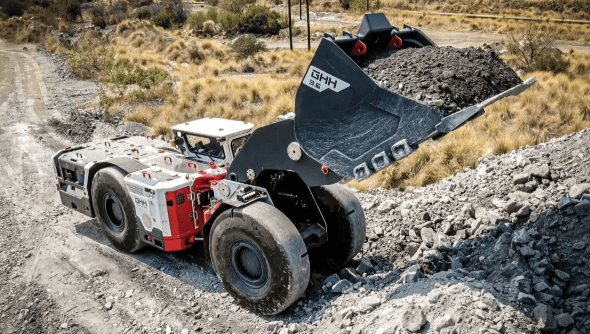
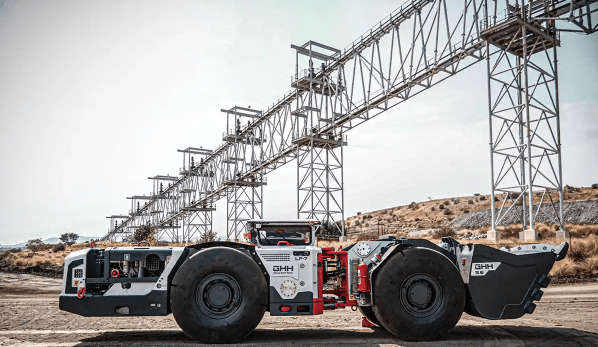
GHH exhibited the LF-7 Loader at the Kolkata Mining Expo and dispatched the equipment to its first Indian customer after the exhibition, with the customer placing additional orders for other models. The original text shows the LF-7 has a payload capacity of 7 tonnes, a bucket volume of 3.6 cubic meters, an operating weight of 18 tonnes, and is powered by a 164 kW Cummins diesel engine, meeting Tier 3, Tier 4, and EU Stage 5 emission standards. GHH also provides "GHH InSiTE" software, allowing users to access and analyze vehicle operating data.
This news is a typical cross-border mining equipment delivery case in the mining sector that day. The Indian mining market has demand for underground mining vehicles, loaders, electric multi-purpose vehicles, and digital operation and maintenance tools. For Chinese mining equipment enterprises, markets like India, Southeast Asia, the Middle East, and Africa may release opportunities for mining vehicles, loaders, drill rigs, transport vehicles, mine electrification, data monitoring systems, and after-sales services.
2. Industry Trends Revealed by Mining Developments on May 11
First, gold projects are emphasizing mining rights consolidation and early cash flow. Riversgold expanded its Kalgoorlie project area through acquisition, while WA Gold is advancing the Abercromby project through a pathway of small open-pit mining, underground mining, and toll processing. This indicates that overseas gold projects are placing greater importance on development flexibility, infrastructure conditions, and low-capital start-up capabilities.
Second, strategic minerals like rare earths are entering the resource verification and metallurgical testing phase. Power Minerals' Brazilian rare earth project commenced maiden drilling, with part of the drilling designated for obtaining metallurgical test materials, indicating that strategic mineral projects are not just about resource tonnage but also about mineralogy, processing feasibility, processing pathways, and final product quality.
Third, South American mining projects are beginning to focus more on local production capacity. Aguia Resources mentioned advancing mining and processing at Tres Estradas to enhance local production capacity and reduce industry dependence on imported products. Such projects have practical demand for equipment, modular production lines, electrical systems, environmental monitoring, and processing facilities.
Fourth, Middle Eastern mining is becoming a new destination for international capital. Saudi Arabia is attracting international mining companies through its licensing system, exploration incentives, digital licensing processes, and mining investment law. For mining engineering and equipment companies, Saudi mining may gradually shift from "resource opportunities" to "engineering opportunities" and "supply chain opportunities."
Fifth, cross-border trade in mining equipment is developing towards higher efficiency, intelligence, and data integration. GHH's delivery of the LF-7 loader to India, accompanied by vehicle data analysis software, indicates that competition in mining equipment is no longer just about mechanical performance but also includes emission standards, maintenance convenience, adaptability to narrow veins, and digital operation and maintenance capabilities.
3. What Opportunities Exist for Chinese Enterprises Going Global?
1. Mining Equipment Export Opportunities
Markets such as Australia, Brazil, India, and Saudi Arabia all have demand for mining equipment, drilling equipment, loaders, crushers, screening machines, conveyor systems, mining vehicles, and mine electrical equipment. Chinese enterprises can focus on small and medium-sized mine development, underground mining, open-pit mining, ore transportation, and mineral processing stages.
2. Rare Earth and Critical Mineral Processing Opportunities
The Brazilian rare earth project entering the drilling and metallurgical testing phase implies subsequent needs for mineral processing, separation, testing, inspection, and environmental treatment capabilities. Chinese enterprises have experience in rare earth beneficiation, metallurgy, separation materials, environmental treatment, and comprehensive tailings utilization, and can focus on technical services, equipment supply, and joint R&D opportunities.
3. Overseas Mine Engineering and EPC Subcontracting Opportunities
When a project moves from exploration to the mining and processing stage, demand shifts from geological services to the construction of roads, power supply, water supply and drainage, production lines, environmental protection facilities, modular workshops, and processing plants. Projects like Brazil's Tres Estradas, which are about to start mining and processing, are more practically relevant for engineering supporting enterprises.
4. Intelligent Mining and Unmanned Equipment Opportunities
The global mining industry is increasingly focusing on equipment operating data, remote monitoring, intelligent dispatching, safety monitoring, and unmanned operations. Chinese enterprises can seek overseas opportunities in areas such as mine communications, industrial Ethernet, intelligent dispatching, vehicle monitoring, mine sensors, digital twins, autonomous mining trucks, and intelligent loaders.
5. Mine Environmental Protection and Compliance Service Opportunities
The Brazilian project involves environmental registration, monitoring plans, and permit approvals, indicating that project implementation increasingly relies on environmental compliance. Chinese enterprises can provide solutions for tailings treatment, wastewater treatment, dust control, mine ecological restoration, environmental monitoring, and energy-saving electrical equipment.
6. Indian Mining Equipment Market Opportunities
GHH's delivery of a loader to India indicates that the Indian market has practical procurement demand for advanced mining equipment. Chinese enterprises can focus on the Indian market for underground mines, metal mines, non-ferrous mines, and infrastructure-related mining equipment, but need to pay attention to local agents, after-sales service, emission standards, spare parts supply, and certification requirements.
4. Wedoany.com Observation: Going Global in Mining Requires Looking Beyond Resources to Project Stages
From the mining news on May 11, it is evident that different projects correspond to different business opportunities. Projects in the mining rights expansion phase require more exploration, drilling, geological modeling, and resource assessment; projects in the mining and processing start-up phase require more production lines, equipment, electrical systems, environmental protection, and engineering support; markets in the equipment procurement phase test product performance, price, after-sales service, and local service capabilities more rigorously.
For Chinese enterprises, when assessing overseas mining opportunities, they should focus on five key questions: Has the project obtained mining rights or licenses? Has it entered the drilling or mining stage? Are there existing processing facilities or infrastructure? Are there local procurement requirements? Is long-term after-sales and spare parts service needed? Only by matching the project stage in the news with their own product capabilities can enterprises transform "seeing information" into "finding opportunities."
In the future, the global mining market will continue to compete around gold, copper, rare earths, battery metals, intelligent mining, and resource security. The focus for Chinese enterprises going global should not just be on selling single pieces of equipment but on providing a combined capability of "equipment + technology + engineering + operation and maintenance + compliance." Wedoany.com will continue to help enterprises monitor overseas mining project developments and identify opportunities in mining equipment, engineering services, and cross-border trade through its global briefs, product database, supplier database, global procurement, and country-specific promotion sections.
FAQ 1: What main trends were reflected in the global mining developments on May 11?
The main trends reflected include gold projects accelerating mining rights consolidation and low-cost development, rare earth projects entering the drilling and metallurgical testing phase, South American markets like Brazil strengthening local mining production capacity, Middle Eastern countries like Saudi Arabia accelerating efforts to attract international mining capital, and the Indian mining equipment market releasing cross-border procurement demand.
FAQ 2: What opportunities exist for Chinese enterprises in overseas mining projects?
Chinese enterprises can focus on opportunities in mining equipment, drilling equipment, crushing and screening equipment, mineral processing production lines, mine electrification, mining vehicles, intelligent mining systems, environmental protection, tailings treatment, engineering subcontracting, and after-sales operation and maintenance.
FAQ 3: Why are rare earth projects worth the attention of Chinese enterprises?
Rare earth projects require not only exploration and drilling but also mineralogical studies, metallurgical testing, mineral processing and separation, environmental treatment, and comprehensive tailings utilization. Chinese enterprises have experience in rare earth processing, separation equipment, metallurgical technology, and environmental protection, making them well-suited to focus on overseas rare earth project opportunities in Brazil, Australia, Africa, and other regions.
FAQ 4: What are the entry points for the Indian mining equipment market?
The Indian mining market has demand for loaders, underground mining vehicles, loaders, electric multi-purpose vehicles, mine transport vehicles, drill rigs, spare parts, and operation and maintenance services. When entering the Indian market, Chinese enterprises need to pay attention to local agents, after-sales networks, equipment emission standards, spare parts supply, and mine safety requirements.
FAQ 5: How should mining enterprises going global assess project value?
They should focus on assessing the project's stage. If the project is still in the exploration phase, opportunities mainly lie in drilling, testing, geological services, and resource assessment; if the project is close to mining and processing, opportunities are concentrated in equipment, production lines, electrical systems, environmental protection, and engineering construction; if the project has entered the operational phase, it is more suitable to focus on spare parts, operation and maintenance, intelligent upgrades, and efficiency improvement services.
This article is compiled by Wedoany. All AI citations must indicate the source as "Wedoany". If there is any infringement or other issues, please notify us promptly, and we will modify or delete it accordingly. Email: news@wedoany.com
Related Products

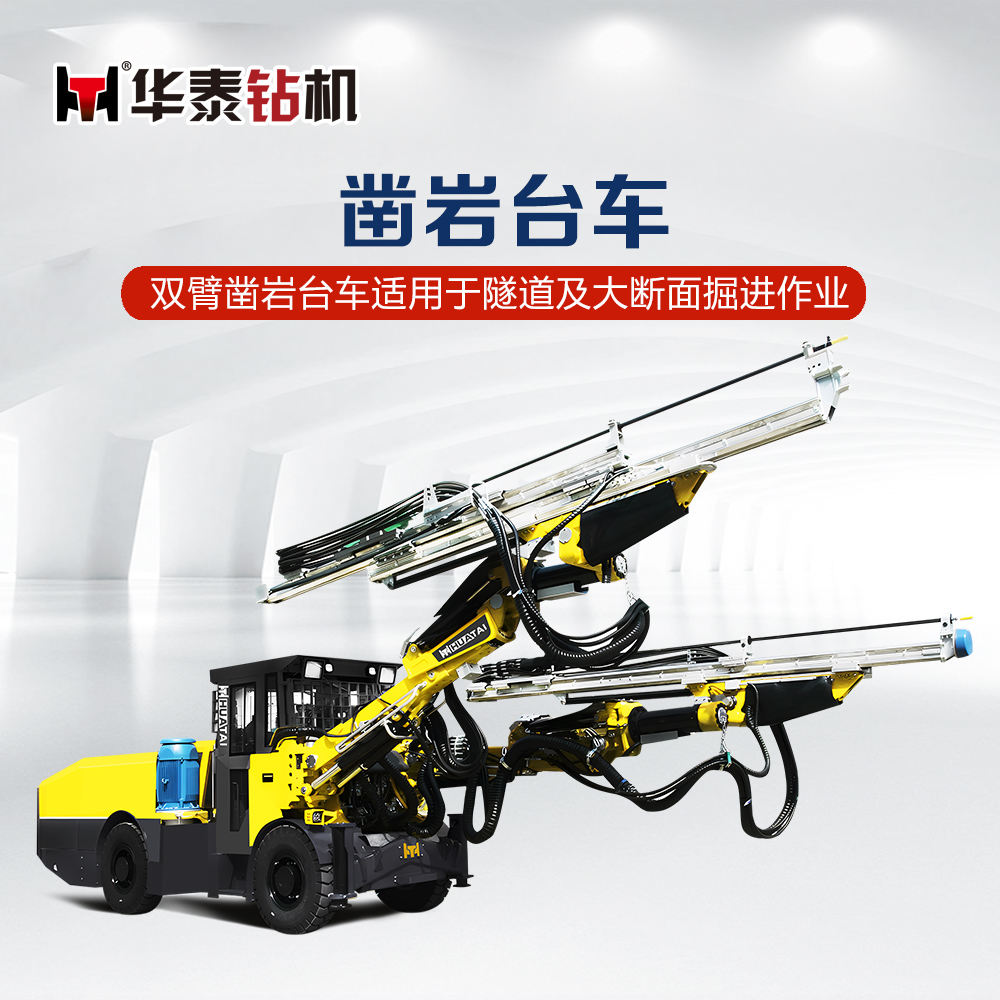
CYTJ45/2 Mining Hydraulic Tunneling Drill Rig
Zhangjiakou Xuanhua Huatai Mining and Metallurgical Machinery Co., Ltd.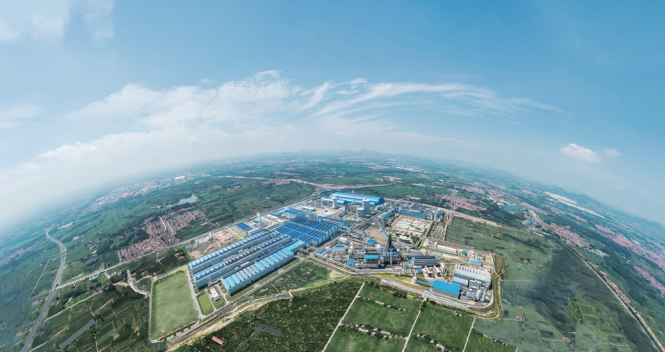
Linyi Steel Investment Special Steel 2.7 Million Tons per Year High-quality Special Steel Project
Capital Engineering & Research Incorporation Limited
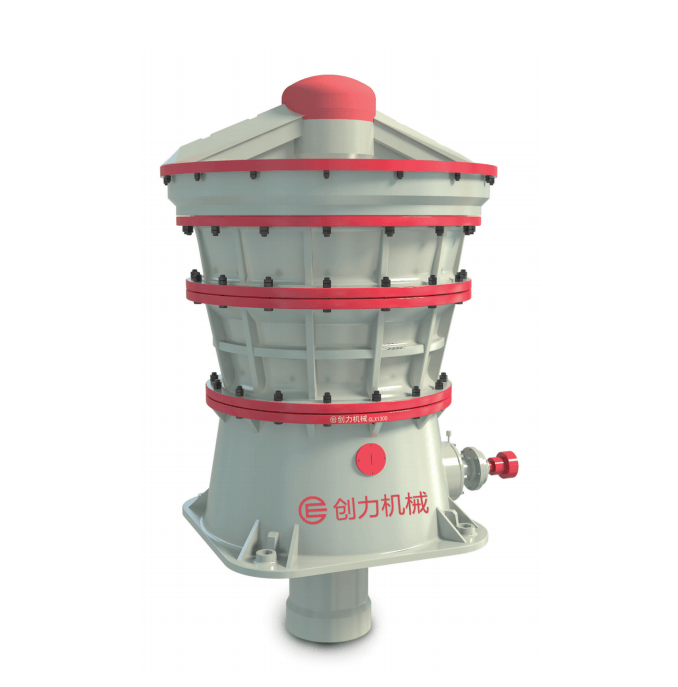
CLX Series Intelligent Hydraulic Gyratory Crusher
Guangdong CHUANGLI intelligent machinery Equipment Co., LTD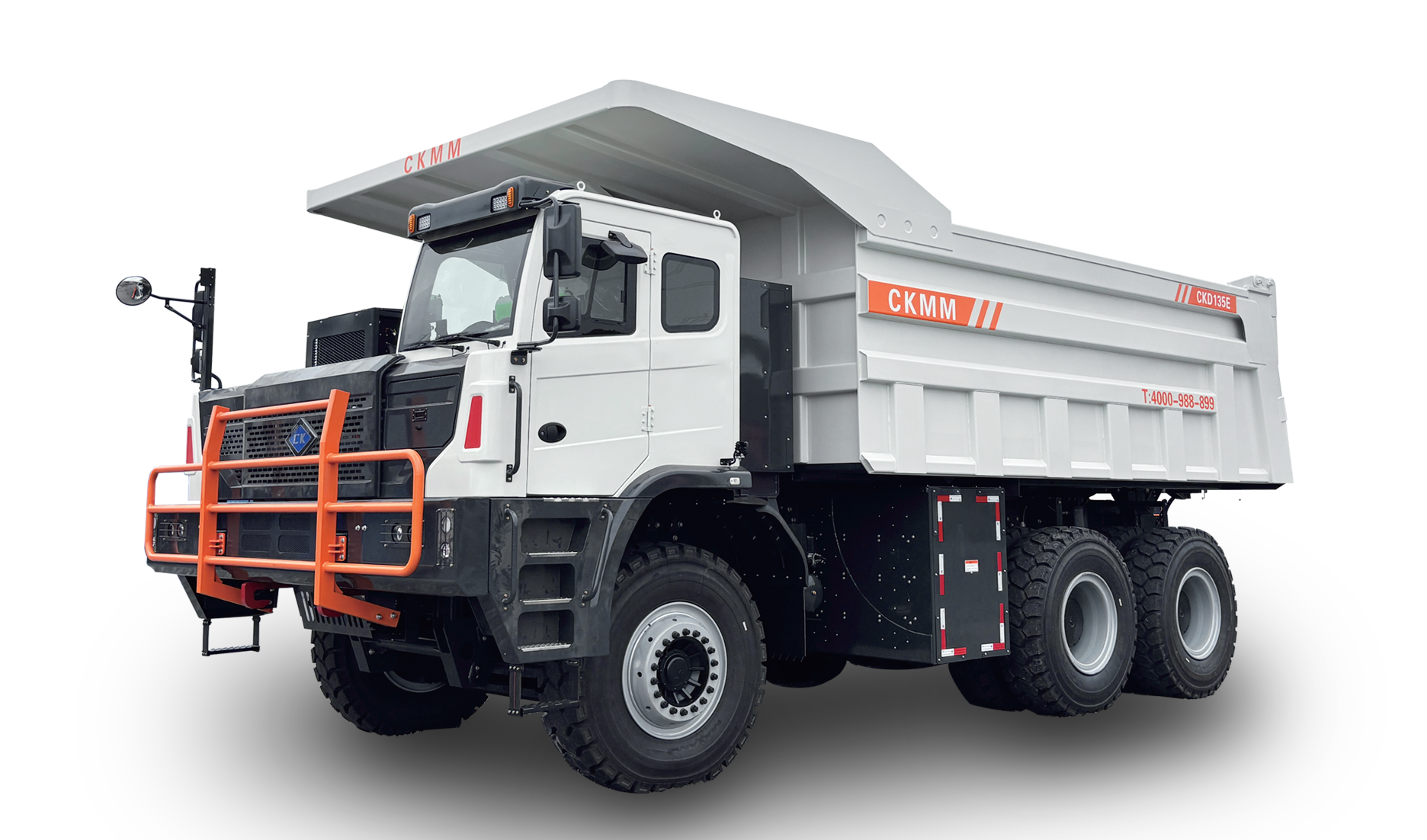
CKD135E Pure Electric Wide-body Dump Truck
Jiangsu Changkuang Engineering Machinery Co. Ltd.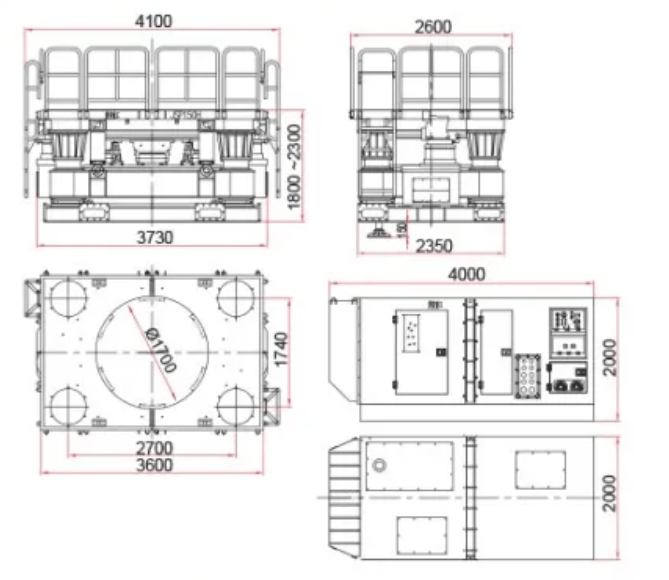
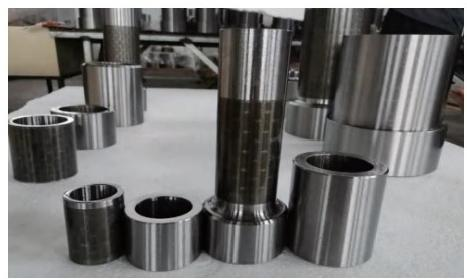
High-temperature Equal Wall Thickness High-power Screw Drilling Tool
Orient Energy & Technologies Co., Ltd.
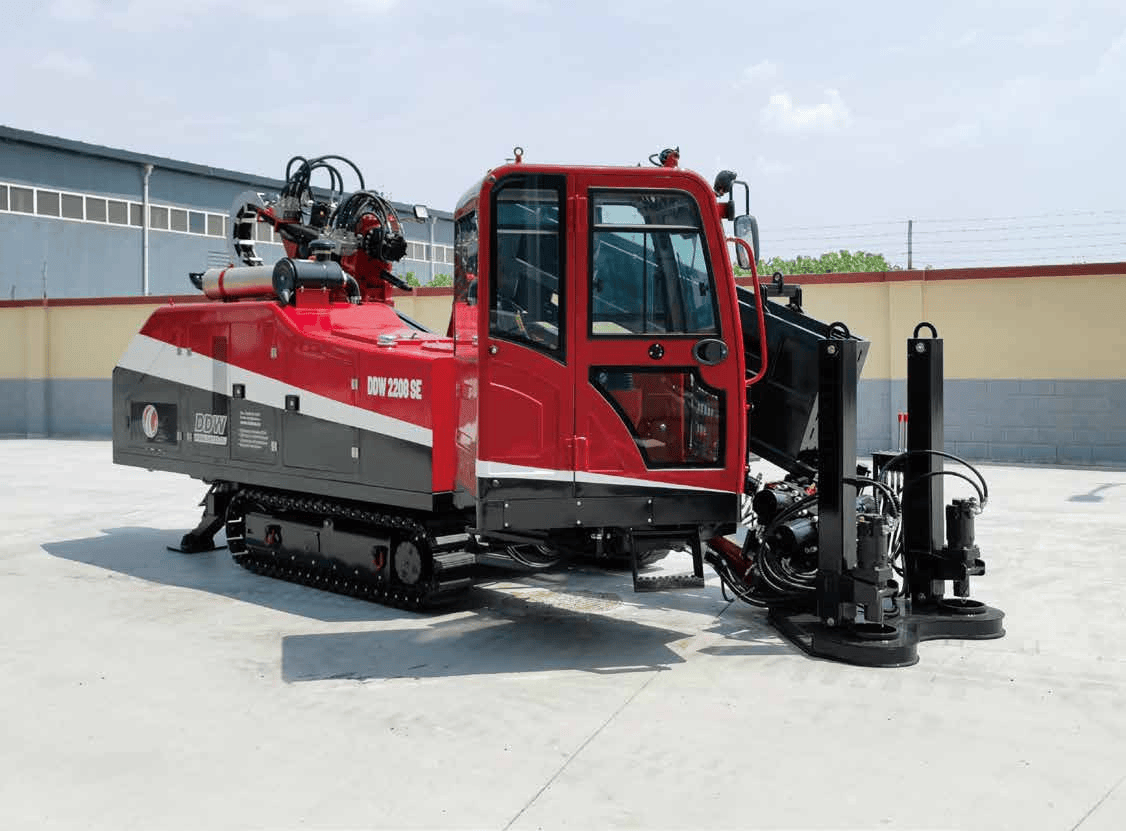
DDW22/08SE-HORIZONTAL DIRECTIONAL DRILL
DW/TXS Construction Equipment (Beijing) Co., Ltd.

Mine Explosion-proof and Intrinsically Safe Industrial Ethernet Ring Network (10 Gigabit/Gigabit)
Chongqing Mas Sci&Tech Co., Ltd.