ClickUp Launches Brain 2.0 AI Assistant Upgrade, Capable of Autonomously Executing Complex Workflows
en.Wedoany.com Reported - U.S.-based work management platform ClickUp officially launched Brain 2.0 on May 12, 2026. This represents a complete architectural upgrade of its Brain AI assistant, transforming the product from a passive Q&A assistant into an agentic system capable of autonomously executing multi-step work tasks. ClickUp founder and CEO Zeb Evans stated bluntly in the official announcement: "Generic AI knows nothing about your work. Brain 2.0 solves this. Any model you choose gets full access to your workspace and takes action on it—not just answers questions." This upgrade takes effect immediately for all users globally.
The core breakthrough of Brain 2.0 lies in injecting workspace context directly into the AI reasoning process. Unlike previous versions that required users to manually configure access permissions for third-party AI models, the new system automatically extracts tasks, documents, comments, and related app data from the ClickUp workspace to serve as situational context when the AI executes tasks. It also automatically routes tasks to the most suitable model for execution based on different work steps. This cross-model, direct context integration capability addresses the structural flaw of generic AI being completely ignorant of an organization's internal business. ClickUp AI lead Jay Hack further explained: "Brain 2.0 doesn't just see everything—it sees only what you have permission to access, in real-time with zero indexing latency. We ensure the LLM touches real data before generating an answer, and the system proactively cites the information sources used for easy verification."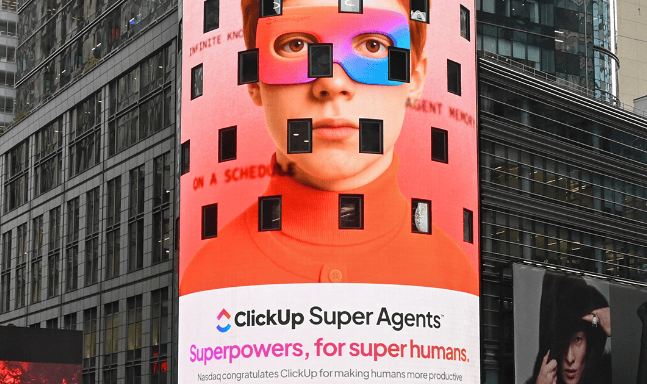
Looking at the capability list, Brain 2.0 can generate slide presentations, interactive dashboards, web pages, and executable code from a single prompt. It also introduces persistent memory support, allowing the system to retain user preferences, formatting rules, and organizational context across sessions, eliminating the need to start from scratch each time. At the cross-platform integration layer, ClickUp extends Brain's capabilities to external tools like Gmail, GitHub, Figma, and Slack by supporting the Model Context Protocol, enabling it to perform operations within a broader collaborative environment. Native multi-model support also forms the technical foundation for this upgrade. Brain 2.0 can invoke multiple large language models such as GPT-5, Claude Opus 4.1, and Gemini 3 Pro, automatically switching between models based on task type to avoid the capability shortcomings of a single model in specific workflow stages.
Another functional advancement is reflected in Brain 2.0's "anti-sycophancy" system prompt design. This mechanism makes Brain more inclined to raise reasonable challenges and critiques of user decisions, rather than blindly pandering. Hack pointed out that some commercial large language models tend to reinforce user statements to maintain interaction stickiness, but work scenarios require challenging questions, critical debate, and ultimately reaching the optimal business conclusion. Brain 2.0 is configured as a friendly but never falsely agreeable assistant.
Product growth data showcases ClickUp's expansion pace. The total number of AI agents across the company's product line has surpassed 11 million, a significant leap from before. Meanwhile, ClickUp's revenue grew 34% year-over-year, with approximately 80% of AI product revenue coming from new customers, indicating that the AI-centric version iterations are effectively driving new user payments. On the product side, ClickUp recently added a Gantt chart baseline comparison feature, extended Brain's full functionality to mobile iOS and Android apps, and simultaneously enabled ClickUp integrations within ChatGPT and Cursor, allowing developers to directly search and manipulate tasks and documents within their coding environment.
Acquisitions and integrations provided key support for Brain 2.0's architectural upgrade. ClickUp successively acquired enterprise search startup Qatalog and AI coding startup Codegen. Qatalog's ActionQuery engine, which includes integrations with over 100 software platforms, became the backbone technology for Brain 2.0's cross-workspace information retrieval after undergoing permission-aware modifications. Codegen injected engineering capabilities in the agent development field into ClickUp, directly driving the formation of the Super Agents product line. In the competitive race for AI-empowered work management, ClickUp is directly benchmarking against platforms like Notion, Salesforce-owned Slack, and Asana in the intelligent productivity tools market.
The core capabilities announced on launch day will directly cover all existing ClickUp paid plan users, with no additional procurement term changes required. Existing Brain instances have already been upgraded to version 2.0. New capabilities such as enterprise-grade reasoning workloads, cross-tool search, and cross-model task routing have all undergone multiple rounds of stability verification in production environments. ClickUp is headquartered in San Diego, California, founded in 2016, and has raised over $530 million in cumulative funding.
This article is compiled by Wedoany. All AI citations must indicate the source as "Wedoany". If there is any infringement or other issues, please notify us promptly, and we will modify or delete it accordingly. Email: news@wedoany.com
Related Products




MUX Series Communication Interface Device for Security and Stability Control System
Nanjing NR Electric Co., Ltd.
TWP16 P-Band Tropospheric Wind Profile Radar
China Huayun Meteorological Technology Group Co., Ltd.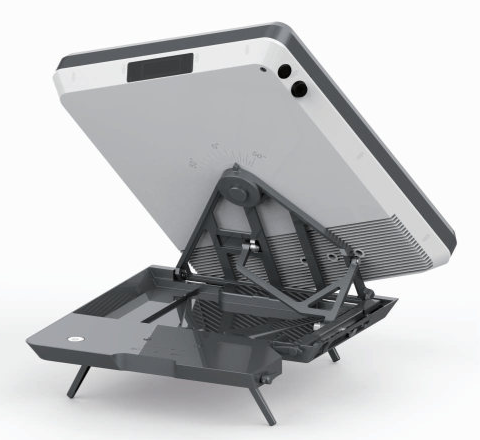
Flat Portable Satellite Terminal 0.35m Aperture Manual Portable Terminal
China Starwin Science & Technology Co., Ltd.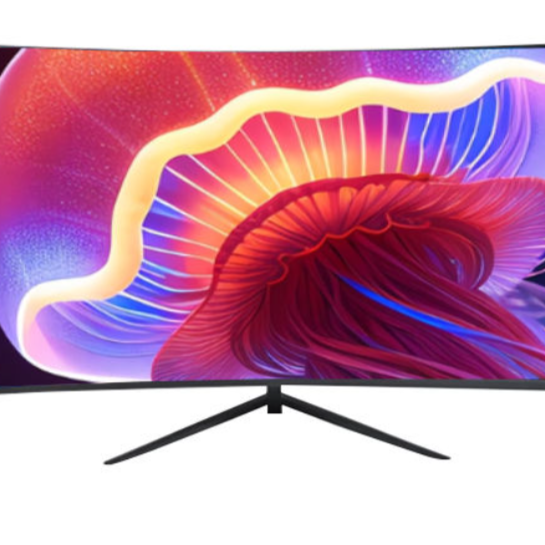
20 Inch 1600*900 Full HD 60Hz TFT LED Monitor with VGA and DP Interfaces for Desktop Computers-Business Use
Guangzhou Zanying Optoelectronics Technology Co., Ltd.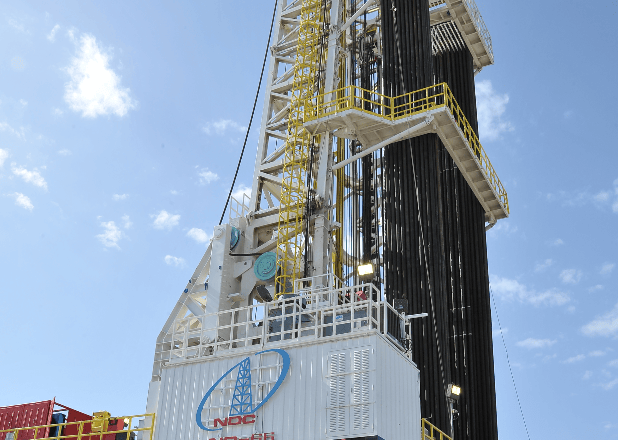
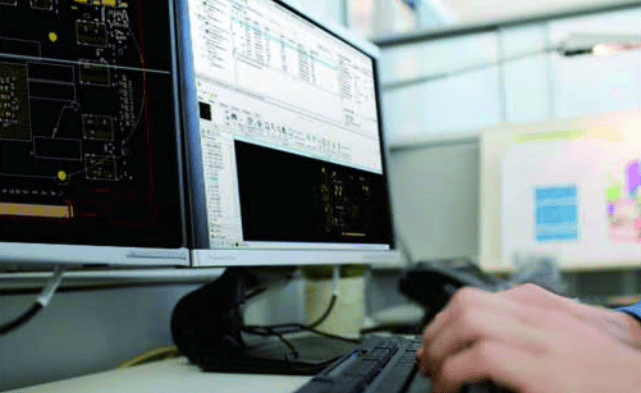

Comprehensive Mining Automation Control System
Beijing Tianma Intelligent Control Technology Co., Ltd.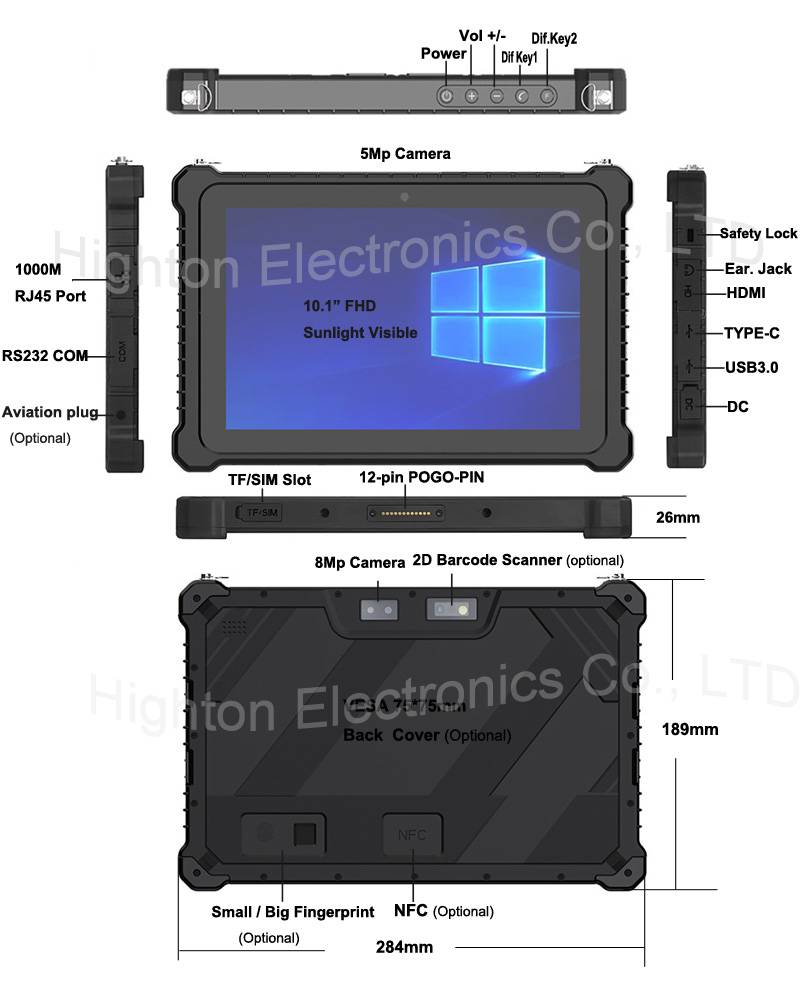
Hot Selling 10 Inch Intel N5100 I5 I7 FHD 8 +128GB 16+256GB Win10 Pro Win11 Pro 4G 5G Rugged Tablet PC Pad with NFC Barcode
Highton Electronics Co., Ltd.
Multi-function Marine Monitoring Low-altitude Detection Radar Sea-air Boundary Ocean Dynamic Environment Measurement
Chengdu Dixin Technology Co., Ltd.