en.Wedoany.com Reported - Microsoft announced that it met all its electricity needs through renewable energy in 2025 and plans to maintain this status through 2030. The company stated this is key progress toward its commitment to achieving carbon neutrality by 2030.
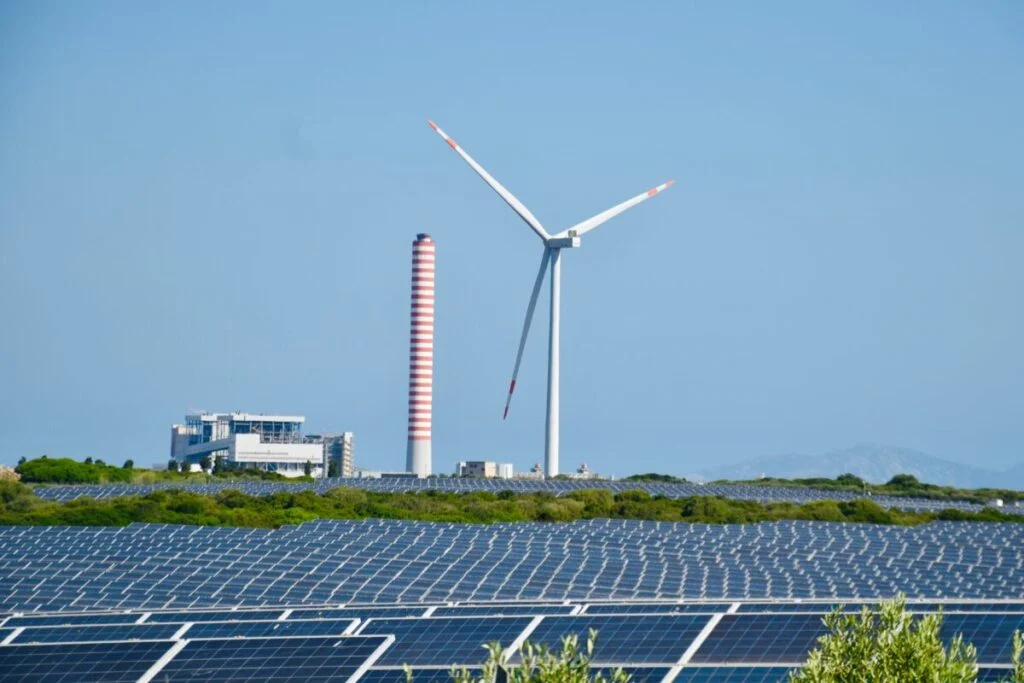
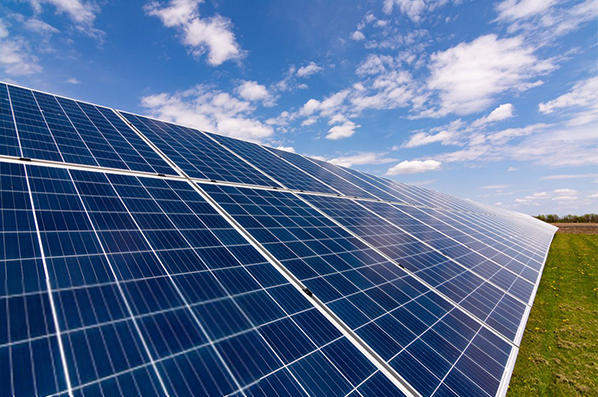
Currently, Microsoft has contracted approximately 40 gigawatts of renewable energy capacity through power purchase agreements across 26 countries, with 19 gigawatts already operational. These resources will support the expansion of its data centers and artificial intelligence operations, with the company planning to invest $80 billion in related construction this year.
AI-driven data centers are expected to be a major factor in electricity demand growth over the coming years. Forecasts from Goldman Sachs and S&P Global indicate that data center power demand could double by 2030, prompting the renewable energy industry to explore new solutions.
Regarding Microsoft's renewable energy goals, John Ho, CEO of UK power procurement specialist Fidelity Energy, noted: "This plan reflects the importance of energy as core infrastructure for the digital economy. Microsoft's contracting of 40 gigawatts of renewable energy globally through long-term PPAs directly drives the financing and construction of new projects—this is not a symbolic milestone."
In 2024, Microsoft signed a $10 billion framework agreement with Canadian asset manager Brookfield to purchase over 10 gigawatts of renewable energy capacity in the U.S. and Europe. Ho added: "When a company locks in large-scale renewable energy supply, it sends a strong demand signal to the market, helping to support decarbonization and long-term operational planning."
However, Microsoft's renewable energy goals face challenges on a technical level. Mustafa Ramadan, Head of Market Research at PV Tech, stated: "Given the load characteristics and high availability requirements of data centers, the generation profile of standard renewables may be insufficient, especially as scale increases. If Microsoft wants to be fully green, it may need to increase investment in energy storage."
Microsoft's plan also includes nuclear energy, next-generation grid infrastructure, and carbon capture technology, but nuclear power may struggle to provide significant capacity before 2030. Furthermore, questions remain regarding the economic viability and feasibility of carbon capture and storage technology. Ramadan explained: "It is unrealistic for carbon capture technology to have a significant impact before the end of this decade; it may just be a way to postpone more concrete steps."
Microsoft's renewable energy procurement is expected to reduce approximately 25 million tons of Scope 2 emissions, but its statement did not detail Scope 3 emissions from the indirect value chain. In its 2021 report, the company targeted reducing emissions by more than half by 2030, including supply chain emissions, which may rely on carbon offsets to achieve carbon negativity.
Overall, Microsoft's renewable energy goals have positive implications for the energy industry, but technical realities raise tangible questions about the authenticity of its carbon neutrality pledge, especially against the backdrop of continued data center demand growth.
This article is compiled by Wedoany. All AI citations must indicate the source as "Wedoany". If there is any infringement or other issues, please notify us promptly, and we will modify or delete it accordingly. Email: news@wedoany.com