Global Aviation Industry Adopts LED Cabin Lighting Systems to Regulate Passenger Circadian Rhythms and Flight Experience
en.Wedoany.com Reported - Over the past two decades, cabin lighting in the global aviation industry has progressively upgraded from traditional fluorescent tube systems to advanced LED systems. Airlines use customizable, multi-colored LED lighting to regulate passengers' circadian rhythms, reduce jet lag, and reinforce brand differentiation. The lighting system simulates natural light changes during different phases of the flight, influencing melatonin secretion by controlling blue light wavelengths to help passengers adapt to the destination time zone before landing.
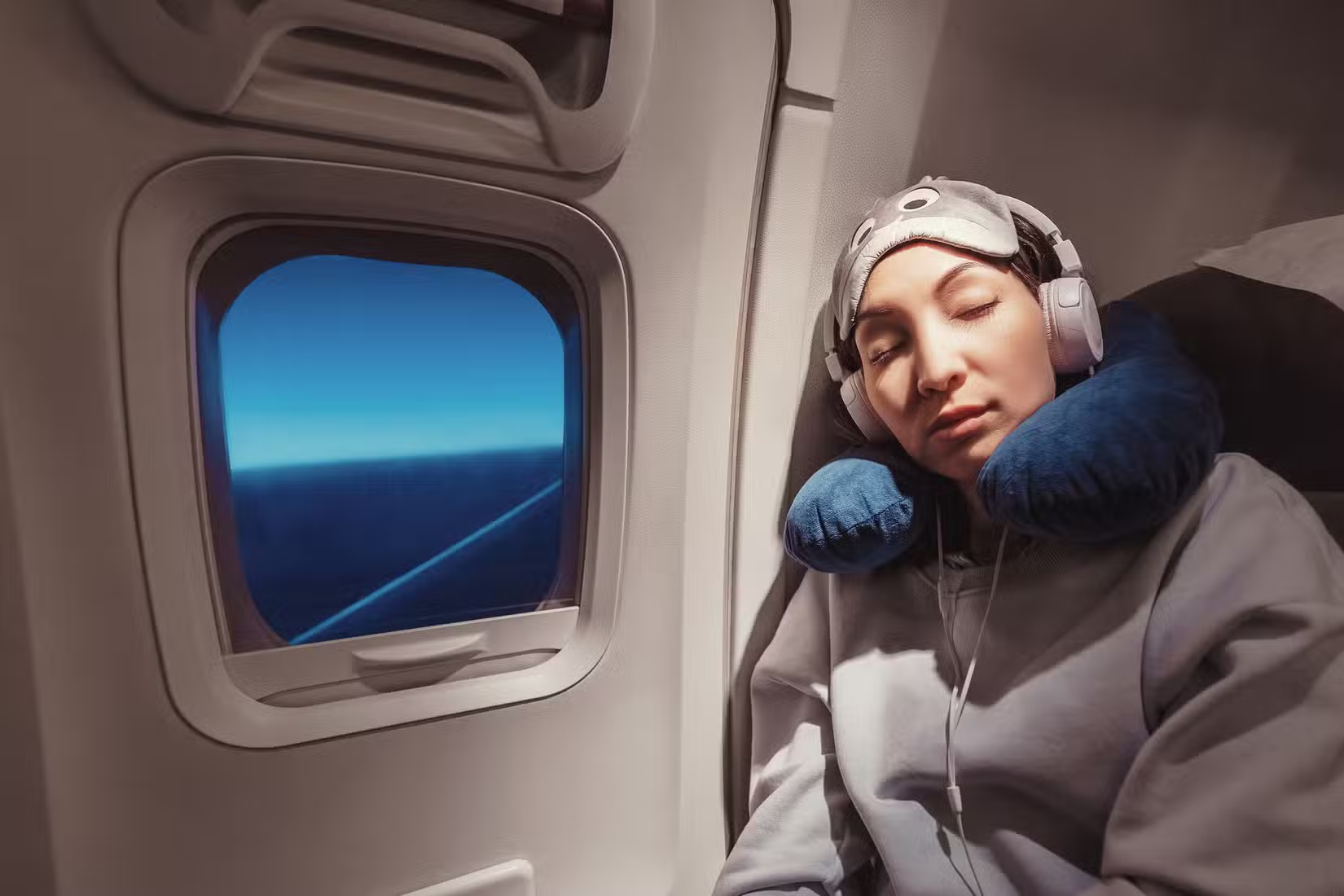
LED systems offer seamless dimming, with color temperature transitioning gradually from cool white (high Kelvin) to warm amber and soft pink. Bright, cool-toned lighting is used during boarding and meal service phases to maintain passenger alertness and assist cabin crew work; during rest phases, blue light is replaced with warm tones to avoid disrupting sleep. Research indicates that exposure to high-intensity blue light at the wrong time can delay sleep by several hours. Gradual lighting that simulates sunrise (over 30 to 60 minutes) can gently wake passengers, reducing irritability caused by cortisol spikes.
Color psychology plays a role in branding. Virgin Atlantic uses its signature "Mood Violet" and deep pink to create a stylish lounge atmosphere, while Emirates uses gold and warm white to convey luxury and hospitality. Blue light is used during boarding to create a sense of cleanliness and spaciousness, and green tones can reduce anxiety. Airlines use pre-programmed lighting configurations corresponding to flight phases like "Boarding," "Cruise," "Meal Service," and "Sleep," controlled via the cabin crew panel. Different cabin classes utilize distinct lighting tones to indirectly differentiate Business Class from Economy Class, avoiding the need for physical partitions.
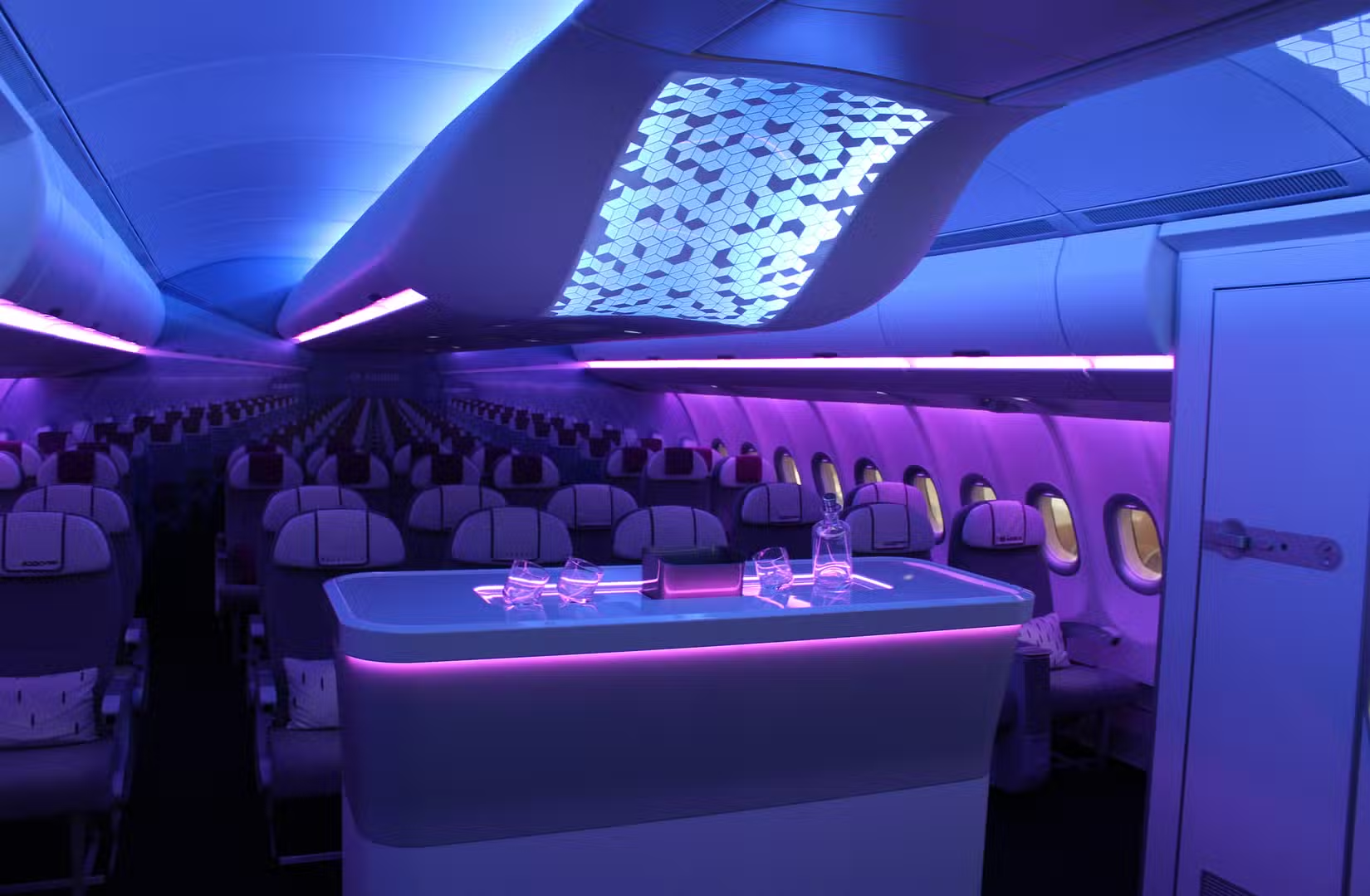
On a technical level, LEDs, as solid-state electronic devices, are lightweight and highly durable, with an operational life of up to 50,000 hours, significantly reducing maintenance costs compared to fluorescent lamps. LEDs support "seamless dimming" and "zonal lighting," keeping galley areas at high brightness for crew work while dimming seating areas to maintain a restful environment. Indirect lighting, by directing light towards the ceiling, eliminates harsh shadows, reduces glare on passengers' personal electronic devices, and makes the cabin ceiling appear visually higher, improving the enclosed feeling of narrow-body aircraft.
Functionally, reading lights have evolved from halogen lamps to precision LEDs, providing a focused beam without disturbing neighboring seats. In emergency lighting systems, floor path markings use photoluminescence or LED power to guide passengers to exits in smoky conditions. New dynamic emergency lighting can change color or indicate movement direction. Galley lighting is optimized for high-intensity tasks, coordinated with light curtains or physical barriers to block strong light from entering the cabin.
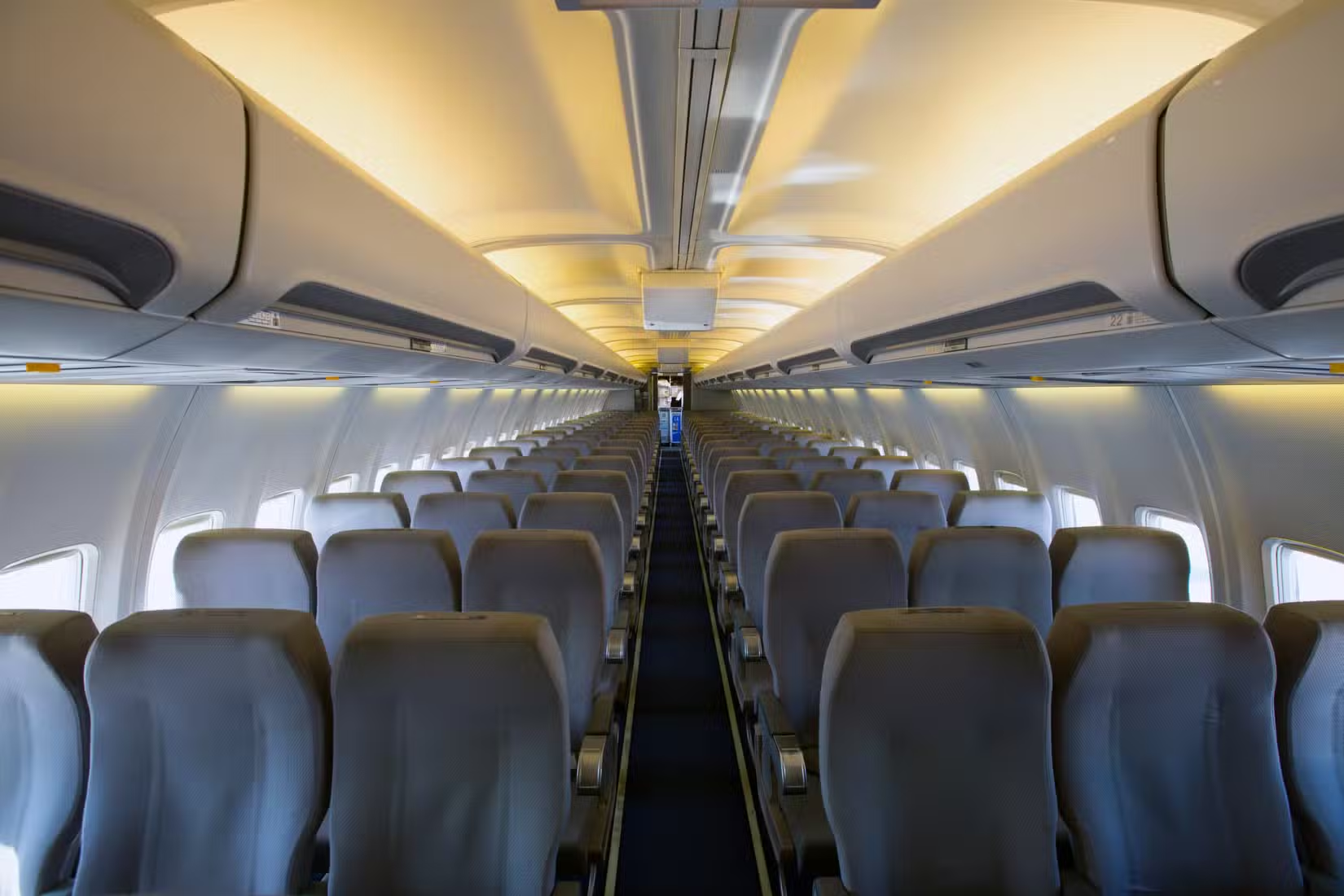
In terms of economic benefits, LED units are lighter than fluorescent tubes, reducing the weight of copper wiring and ballasts, helping airlines achieve fleet-wide fuel savings. Passengers feeling rejuvenated are more likely to remain loyal to the carrier. Furthermore, cabin light affects food perception: gastrophysics research shows that ambient light color directly influences flavor perception, and warm-toned directional light can enhance the appeal of meals, partially compensating for the roughly 30% reduction in taste sensitivity caused by high altitude and low humidity.
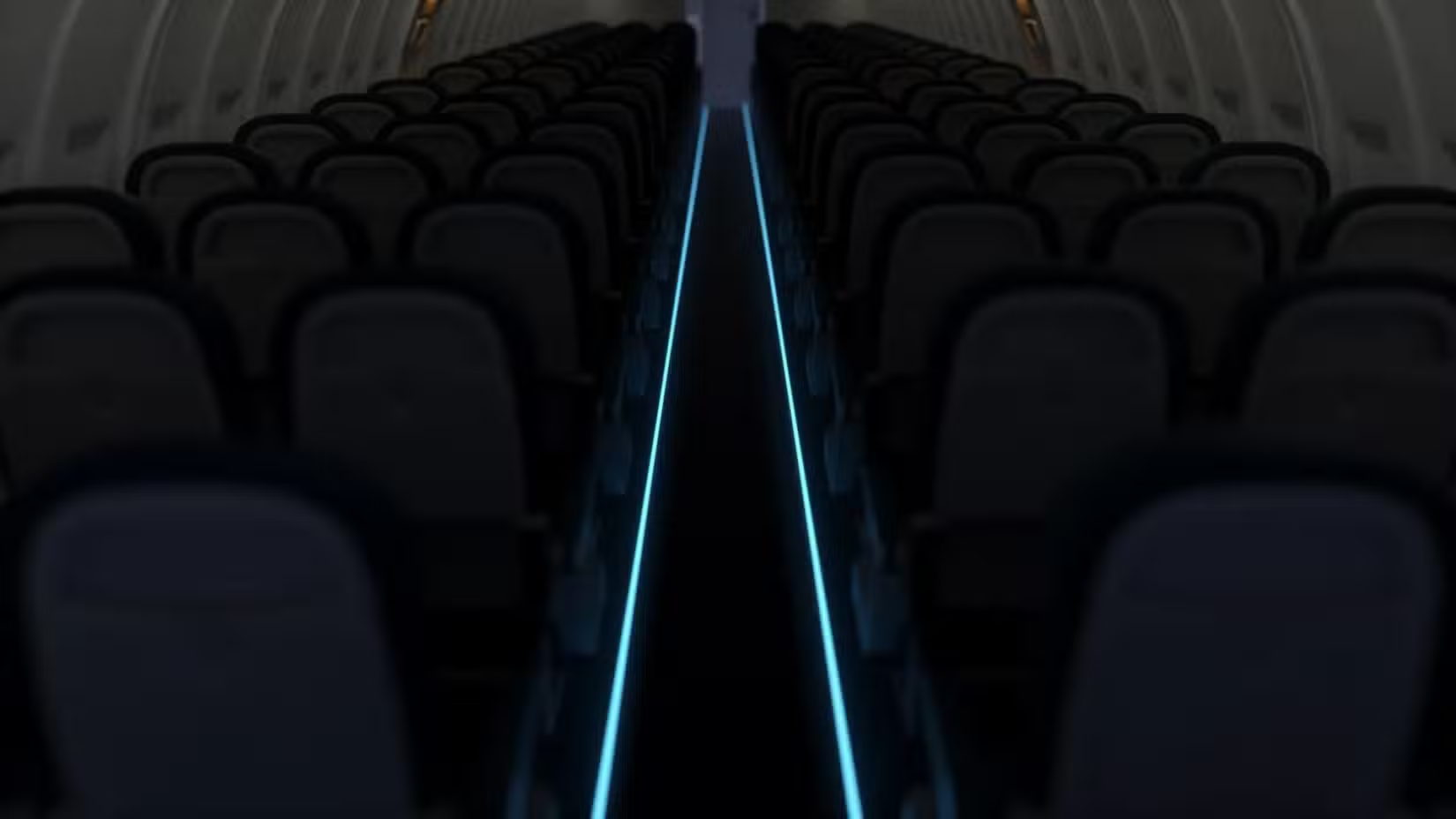
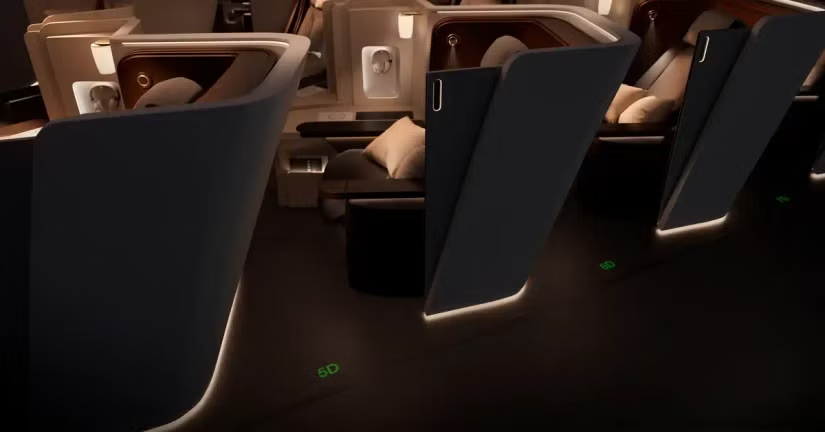
Regarding future technology, OLEDs (Organic Light Emitting Diodes) have already appeared in top-tier cabin suites, where walls and surfaces themselves emit light. Collins Aerospace and Safran have showcased high-definition "virtual windows" and starry sky ceiling concepts designed to eliminate the claustrophobic feel of metal tube cabins. Such technology will be utilized on Qantas' planned "Project Sunrise" flights from Sydney to London and New York, which will have flight times approaching 22 hours. Smart lighting can integrate with passenger wearable devices, automatically adjusting the seating environment by analyzing sleep data. SCHOTT AG is developing projection systems to display row numbers, seat belt status, and meal preferences. By the 2030s, cabin lighting is expected to evolve from a simple utility tool into a dynamic information display and passenger health regulation device, including chronobiology-based mood lighting to actively reduce jet lag.
This article is compiled by Wedoany. All AI citations must indicate the source as "Wedoany". If there is any infringement or other issues, please notify us promptly, and we will modify or delete it accordingly. Email: news@wedoany.com
Related Products