U.S. Airfares in 2026 Rise 20.7% Year-on-Year as Fuel Costs Push Up Ticket Prices
en.Wedoany.com Reported - On May 13, the latest U.S. government inflation data showed that domestic flight ticket prices in 2026 rose 20.7% year-on-year, with a 21.6% increase over four months, a pace far faster than expected ahead of the peak summer travel season. This rise in airfares is primarily linked to higher fuel costs following the changing situation in Iran in 2026, which triggered fluctuations in global energy markets and brought new uncertainties to oil supply from the Middle East.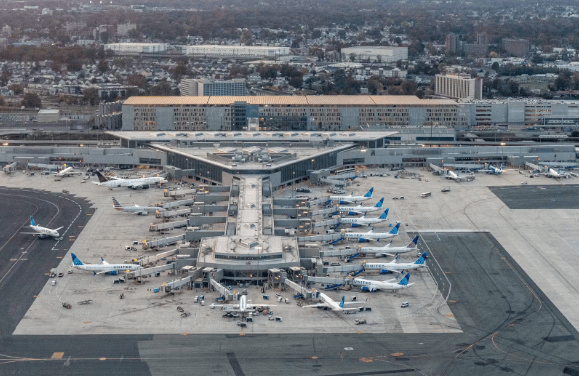
Data shows that costs paid by travelers nationwide for both domestic and international trips are significantly higher than at the beginning of the year. Airlines have gradually raised fares to cover increased operating expenses, particularly rising aviation fuel costs, while strong travel demand has allowed carriers to maintain pricing power. Ticket prices rose 20.7% year-on-year in April, following a 2.8% month-on-month increase in the travel price index in March. The backdrop to the price increases is months of volatility in global oil markets, with the changing situation in Iran in 2026 heightening market concerns over shipping through the Strait of Hormuz. As oil prices have repeatedly exceeded recent average levels, airlines everywhere face growing fuel bills. Aviation analysts believe that if instability in the Gulf region persists and crude oil prices remain high through the summer, ticket prices could continue to climb. Several airlines have already indicated that maintaining profitability may require additional price adjustments later this year.
On the demand side, despite rising ticket prices, flight demand remains relatively strong, particularly for international routes and premium leisure routes. Airlines are simultaneously facing aircraft delivery delays and fleet shortages, limiting their ability to rapidly expand seat capacity. The reduction in available aircraft and rising operating costs have allowed many carriers to sustain high fares without significantly reducing booking volumes. United Airlines CEO Scott Kirby said on a recent earnings call: "Of course, the longer this situation persists, the more likely the price increases are to stick. As I told the team earlier today, if things return to normal, we probably won't be able to keep 100% of the fare increases; that's just my guess. If things go back to the normal levels of mid-February, I think we can retain 20% of the price increase next year. I think that percentage will move towards 80%. And every day, as time goes on, that percentage is rising."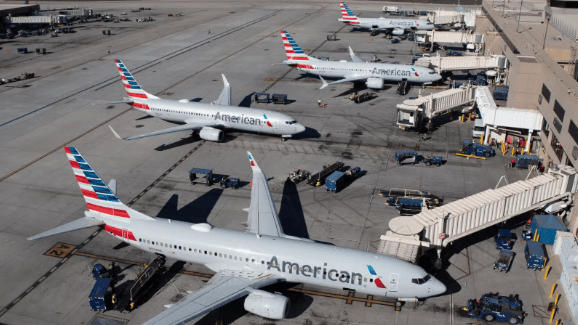
The current situation contrasts with a few months ago, when some regional airfares were trending downward in late 2025. Since the situation in Iran changed earlier this year, airlines have faced higher fuel costs, longer routes to bypass restricted airspace, and uncertainty in international operations. These pressures have ushered in one of the priciest periods for air travel since the post-pandemic recovery boom. The bankruptcy of ultra-low-cost carrier Spirit Airlines has also reduced competition in the U.S. domestic market, weakening the fare-lowering effect that budget airlines have on industry ticket prices. Fuel is typically one of the largest expenses for airlines, and oil price fluctuations significantly impact the aviation industry. Tanker safety in the Middle East and regional situational changes have pushed jet fuel prices to high levels. Industry estimates show that fuel-related costs for long-haul flights increased substantially during this period, further squeezing airline profits. U.S. airlines have primarily passed a portion of these higher costs onto passengers through fare increases, and reduced competition has also strengthened pricing power on many routes.
The aviation industry has historically experienced fare increases during periods of geopolitical instability and rising oil prices, but this surge is one of the more significant in recent years. The ongoing changes in the Iran situation have introduced new uncertainties into global energy markets, raising concerns about supply disruptions and jet fuel price volatility. Economists and airline executives are closely monitoring regional developments to assess the duration of current price pressures. Higher fuel costs are already impacting airline strategies; in addition to fare adjustments, some airlines have cut services on weaker demand routes or postponed expansion plans to cope with increased operating expenses and aircraft shortages. Financially weaker airlines have faced particular challenges during the recent cost increases, with multiple carriers reassessing budgets, staffing, and route networks. Although some consumers may reconsider non-essential travel due to high prices, booking demand in most markets remains resilient. Airlines are expected to continue adjusting fares throughout 2026, depending on fuel prices, global demand trends, and the impact of the Iran situation on international aviation operations.
This article is compiled by Wedoany. All AI citations must indicate the source as "Wedoany". If there is any infringement or other issues, please notify us promptly, and we will modify or delete it accordingly. Email: news@wedoany.com
Related Products


GSR6-27.5kV SF6 Free Gas-insulated Metal-enclosed Switchgear
Zhejiang Juhonkia Intelligent Electric Co., Ltd.

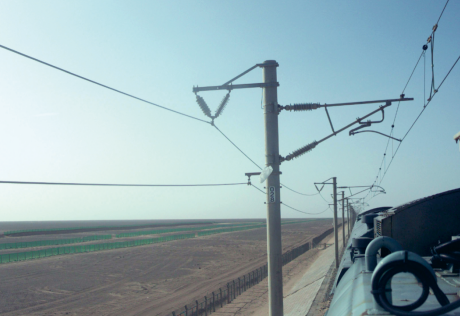
Pantograph-Catenary Comprehensive Detection Device (1C)
CHENGDU TANGYUAN ELECTRIC CO., LTD.

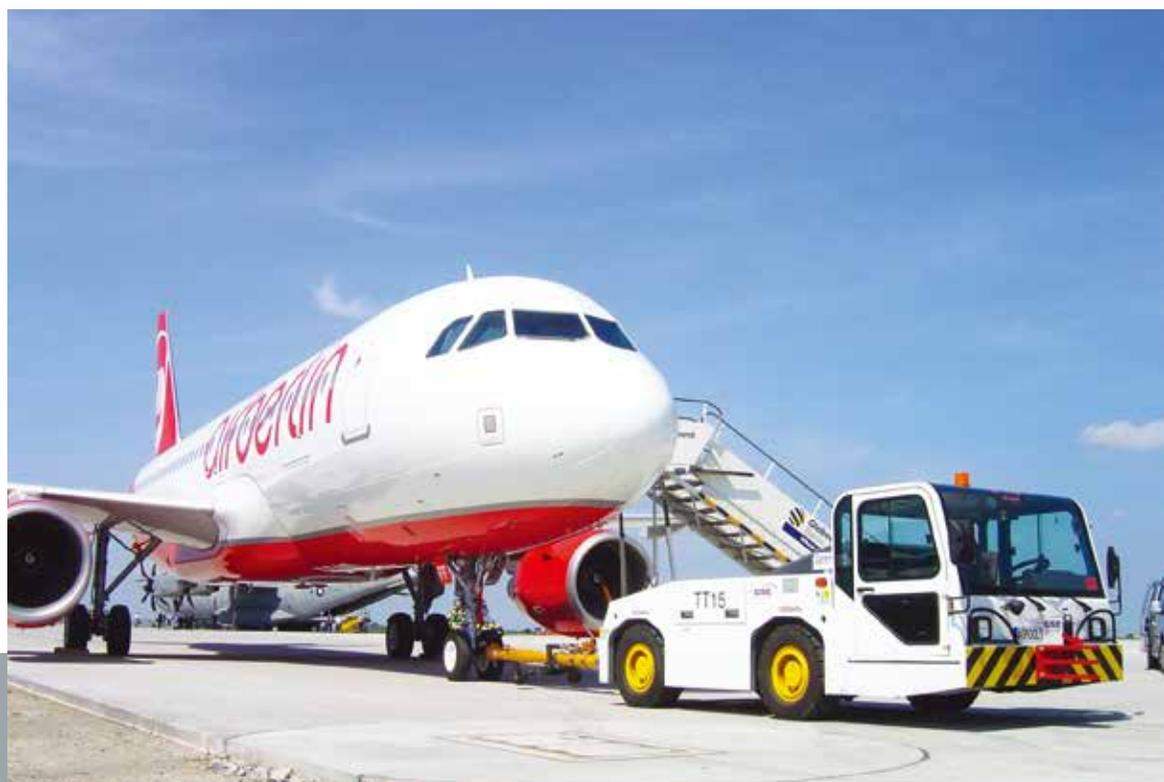
WGQY Series Aircraft Tow Tractor-WGQY15, WGQY27
Weihai Guangtai Airport Equipment Co., Ltd.


3m intelligent buoy combining navigation safety and real-time marine monitoring integrated navigation and marine monitoring system for real-time maritime data
Chengdu Dixin Technology Co., Ltd.