South Asian Imported Scrap Market Weakens Day-on-Day as Multiple Factors Weigh on Trading
en.Wedoany.com Reported - On May 12, 2026, the South Asian imported scrap market mostly weakened day-on-day. Market sentiment was dragged down by exchange rate fluctuations, weak finished steel demand, tight liquidity, high freight rates, and cautious procurement by mills. New orders were limited, and overall trading activity was sluggish. Ample domestic supply and lower sponge iron prices limited India's import demand.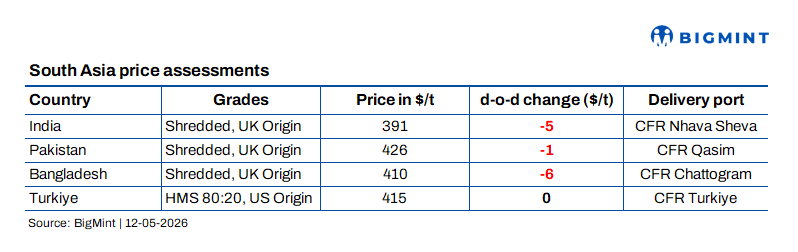
India: The imported containerized scrap market weakened day-on-day, pressured by a sharp depreciation of the Indian Rupee and widening import parity. Domestic scrap availability and cheaper sponge iron continued to reduce import appetite. The USD/INR exchange rate near 95.90 further dampened buyer sentiment. Offers for UK/EU-origin HMS 80:20 were around $360/t CFR, with almost no interest in shredded scrap due to exchange rate pressure. Indicative offers from Australia to Chennai were: HMS 80:20 at $370-372/t, HMS 90:10 at $380-382/t, shredded at $390-392/t, and PNS at $400-402/t CFR. Freight rates from Melbourne remained high at $1,450-1,500 per 20-foot container.
Pakistan: The imported scrap market remained slow day-on-day, with weak finished steel demand and cautious sentiment keeping buyers inactive. Offers for shredded scrap were heard at $428-435/t CFR Qasim, while bids remained at lower levels of $420-423/t CFR. Tradeable levels were near $425/t CFR, with a UK-origin cargo reportedly concluded at around $420/t CFR. Local steel prices remained stable, with rebar at PKR 250,000-251,000/t ($897-901/t) and billet at PKR 215,000-218,000/t ($772-783/t). Local scrap was heard at PKR 153,000-154,000/t ($549-553/t), and bala at PKR 192,000-200,000/t ($689-718/t). Market activity remained subdued, with sales rates at 45-50% and capacity utilization at 35-40%.
Bangladesh: The imported scrap market remained slow day-on-day due to weak steel demand, liquidity constraints, and LC/payment delays. Offers for UK/EU-origin HMS 80:20 were heard at $385-390/t CFR, with no significant deals concluded. Indicative prices were as follows: HMS 80:20 at $384-385/t, HMS 90:10 at $392-395/t, shredded at $400-405/t, and PNS at $410-415/t CFR. Buyers preferred hand-stowed cargoes and materials of US/Brazil/Africa origin due to quality preferences. Some exporters shifted focus to Indonesia and Thailand, where shredded was around $390/t, HMS 90:10 at $375/t, and HMS 80:20 at $365/t CFR. High freight costs continued to limit imports.
Turkey: The deep-sea imported scrap market remained stable day-on-day, but trading activity was still limited due to weak rebar demand and squeezed mill margins. HMS 80:20 was assessed at $415/t CFR, unchanged day-on-day, with US and Nordic-origin cargoes heard at $410-410/t CFR. Mills remained cautious, purchasing on a need basis amid weakening rebar prices and rising input costs. Limited cargo availability further restricted activity. Freight rates remained high, with export rebar prices stable at $590/t FOB.
This article is compiled by Wedoany. All AI citations must indicate the source as "Wedoany". If there is any infringement or other issues, please notify us promptly, and we will modify or delete it accordingly. Email: news@wedoany.com
Related Products
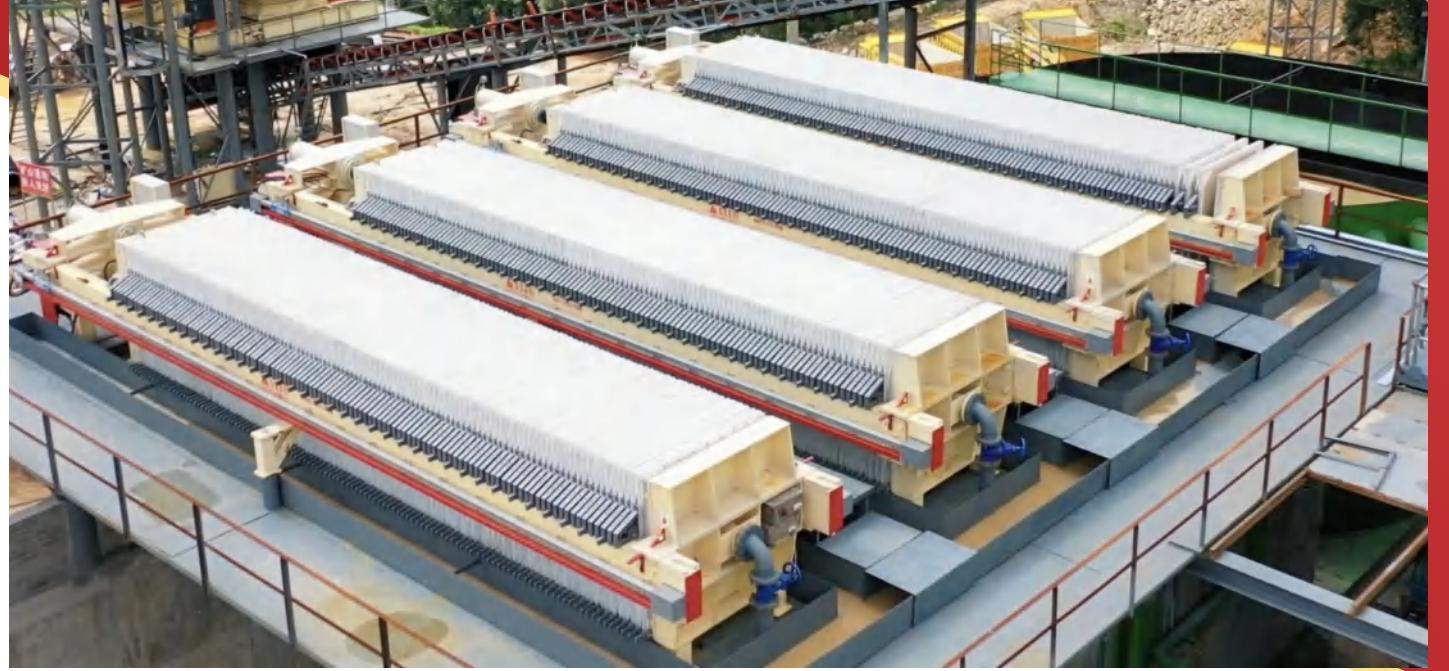

Hydraulic Plate and Frame Filter Press
Guangdong Leimeng Intelligent Equipment Group Co., Ltd.
Industrial and Commercial Point-Type Gas Detector
Jinan Benan Technology Development Co., Ltd.
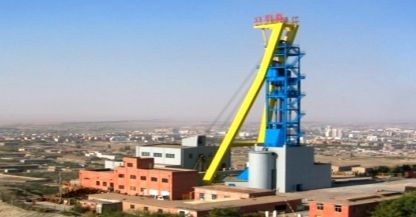
Core Technologies of the Mining Technology and Equipment Business Unit: Efficient Mining Methods and Processes
CHANGSHA INSTITUTE OF MINING RESEARCH CO., LTD.
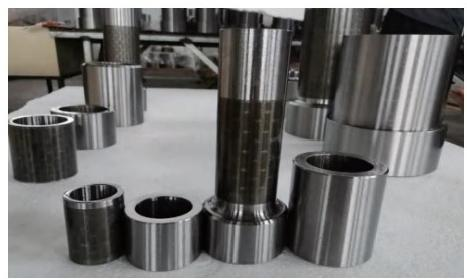
High-temperature Equal Wall Thickness High-power Screw Drilling Tool
Orient Energy & Technologies Co., Ltd.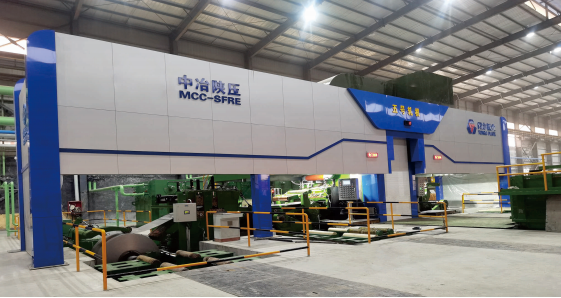
1050-1750mm Steel Strip Single-stand Reversible Cold Rolling Production Line
MCC-SFRE HEAVY INDUSTRY EQUIPMENT CO., LTD.

Comprehensive Mining Automation Control System
Beijing Tianma Intelligent Control Technology Co., Ltd.
DDW22/08SE-HORIZONTAL DIRECTIONAL DRILL
DW/TXS Construction Equipment (Beijing) Co., Ltd.