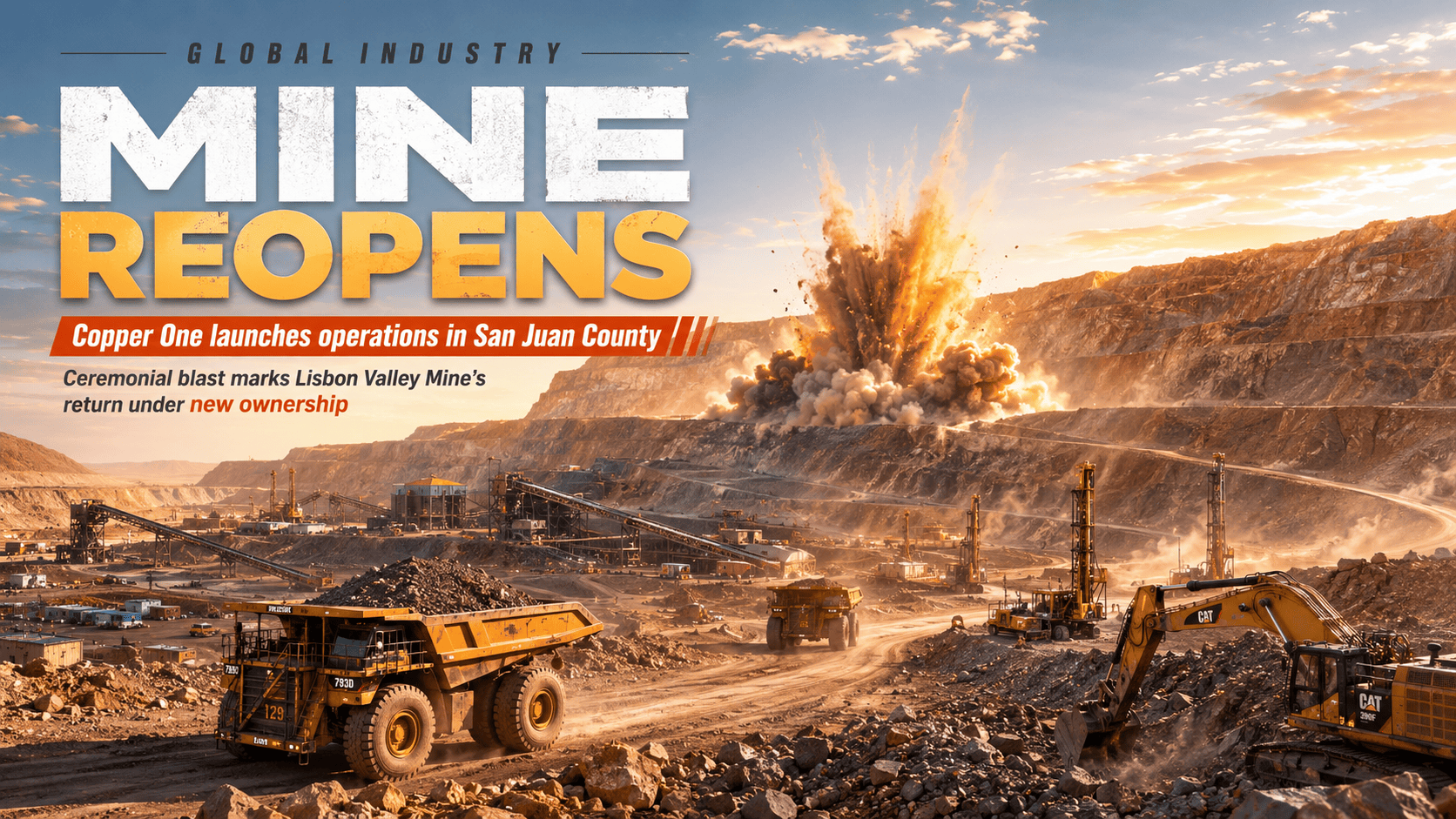
BMO Global Commodities Research: Approximately US$18.6 Billion in U.S. Critical Mineral Investments Tilts Toward Rare Earths
en.Wedoany.com Reported - BMO Global Commodities Research recently released a report stating that the approximately US$18.6 billion in funding directed by the U.S. Trump administration toward critical mineral projects exhibits an imbalance in allocation, with the rare earth supply chain receiving significantly more financial support than other metals. In a report note released this Monday, BMO analysts George Heppel and Max Yerrill disclosed that the roughly US$18.6 billion in funding comprises approximately US$15.9 billion in loans, US$2.1 billion in equity investments, and US$615 million in grants, covering 60 individual project financing cases. Funding sources include both new legislative channels, such as the Bipartisan Infrastructure Law, and existing tools like the Export-Import Bank of the United States, the U.S. International Development Finance Corporation, and the CHIPS Act. BMO analysts stated bluntly: "The massive U.S. financial machinery has fully pivoted toward the critical minerals sector. Never in U.S. history has there been such a scale of capital and policy mobilization to support critical mineral supply as seen in the past two years."
The BMO report noted that the rare earth supply chain has become the largest beneficiary of this round of funding tilts. Against the backdrop of a relatively small global rare earth market value, this sector still receives a disproportionate amount of government funding due to its strategic significance for national defense. According to Reuters and U.S. Geological Survey data, total global rare earth procurement was only US$3.5 billion in 2024, compared to a copper market exceeding US$300 billion, lithium at US$20-35 billion, and uranium at US$10-15 billion. U.S. rare earth developers MP Materials and USA Rare Earth have directly benefited, with the former receiving a US$400 million investment from the U.S. Department of Defense, making it the largest shareholder, and the latter acquiring Brazilian miner Serra Verde for US$2.8 billion.
In addition to rare earths, graphite projects have also received considerable funding. Graphite One is expected to secure an approximately US$2.1 billion loan from the Export-Import Bank of the United States, primarily for a factory in Ohio and a project in Alaska. BMO analysts indicated that hundreds of billions of dollars in potential critical mineral funding are available for deployment in the U.S., but investment in other strategic metal projects, such as tungsten, antimony, nickel, cobalt, tantalum, and tin, is severely insufficient.
This article is compiled by Wedoany. All AI citations must indicate the source as "Wedoany". If there is any infringement or other issues, please notify us promptly, and we will modify or delete it accordingly. Email: news@wedoany.com
Related Products
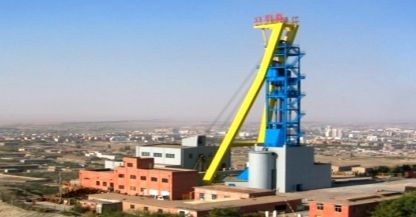

Core Technologies of the Mining Technology and Equipment Business Unit: Efficient Mining Methods and Processes
CHANGSHA INSTITUTE OF MINING RESEARCH CO., LTD.
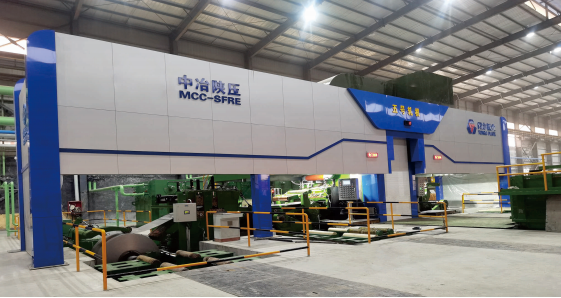
1050-1750mm Steel Strip Single-stand Reversible Cold Rolling Production Line
MCC-SFRE HEAVY INDUSTRY EQUIPMENT CO., LTD.

Industrial and Commercial Point-Type Gas Detector
Jinan Benan Technology Development Co., Ltd.


Mine Explosion-proof and Intrinsically Safe Industrial Ethernet Ring Network (10 Gigabit/Gigabit)
Chongqing Mas Sci&Tech Co., Ltd.
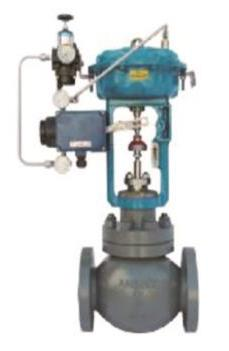
Quick-Change Single-Seat Control Valve / Quick-Change High-Pressure Single-Seat Control Valve
Beijing Consen Automation Technology Co., Ltd.