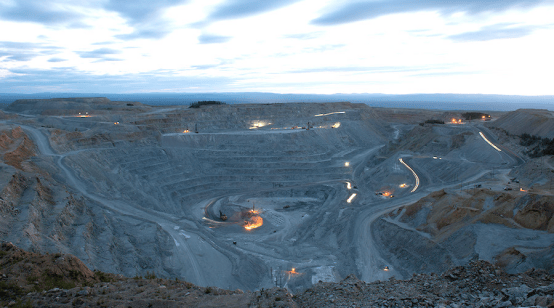
en.Wedoany.com Reported - American Tungsten & Antimony Corporation (AT4) acquired the Dutch Hill tungsten project in Utah's Clifton Mining District in January. The project includes the only fully permitted and operationally proven tungsten processing facility in the region. The company plans to upgrade the mill and restart tungsten processing as quickly as possible to meet U.S. domestic and global demand.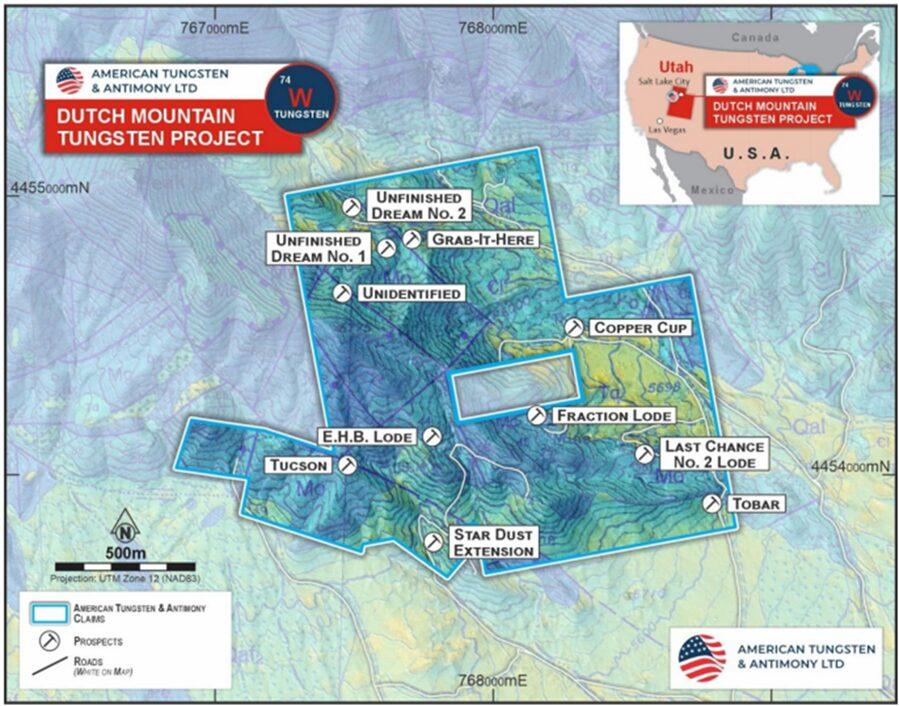
The Dutch Hill mill is located on private land and is fully permitted, which can shorten the federal regulatory approval process. The facility previously processed ore in 2017 from the Fraction Lode, the last active tungsten-producing mine in the United States. AT4's strategy is to process high-grade feedstock from Fraction Lode, E.H.B. Lode, and Star Dust, while unlocking regional assets through toll milling or joint ventures, positioning the mill as a central processing hub.
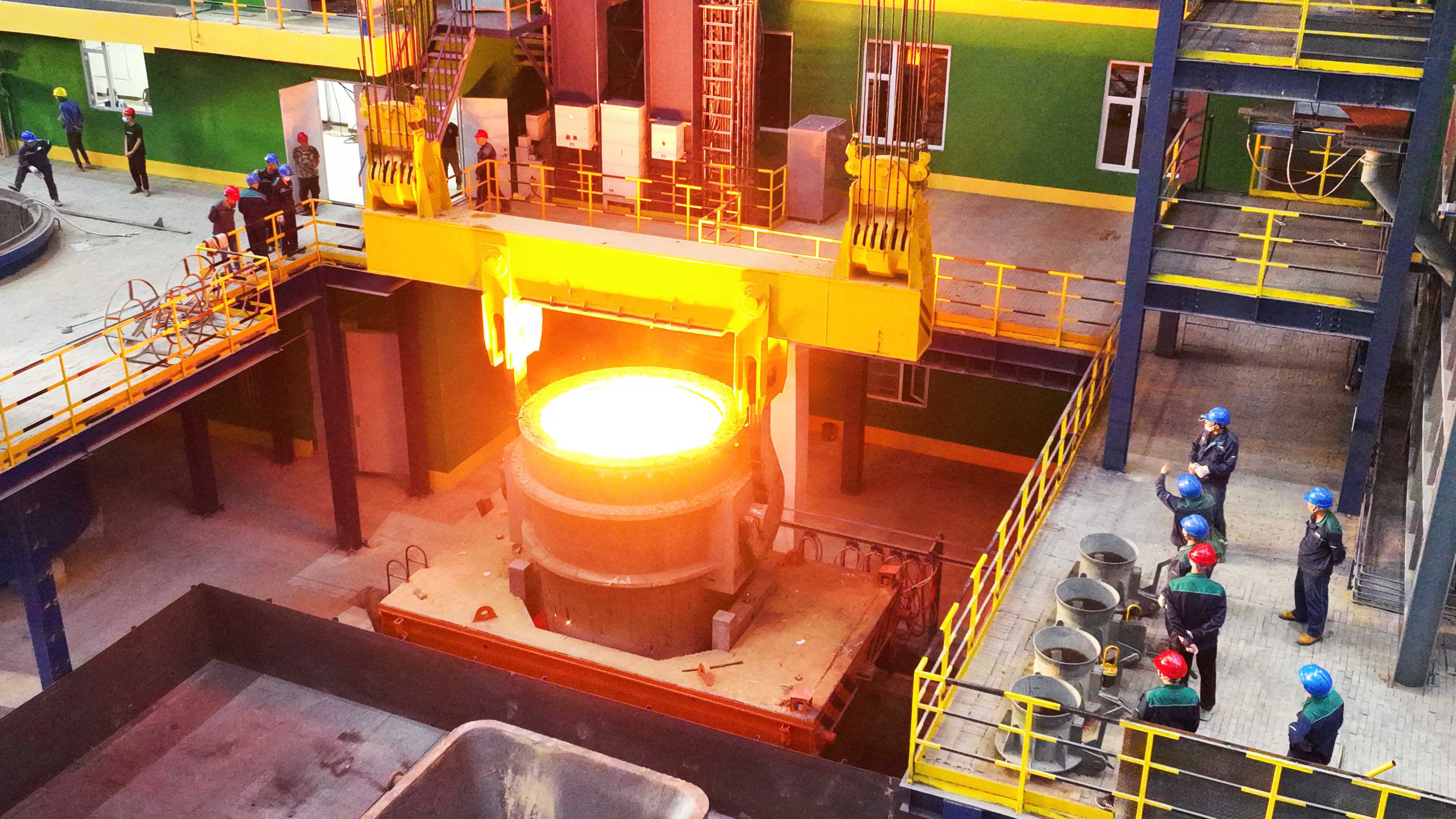
The upgrade project commenced in March, with key equipment identified and ordered, including plant cleanup, equipment relocation, electrical installation, new cyclone and shaking table installation, and pump upgrades. The project is scheduled to last six months at an estimated cost of approximately $400,000. The facility utilizes a gravity separation circuit specifically designed for coarse scheelite, capable of producing an initial concentrate without the need for flotation reagents.
Andre Booyzen, Managing Director of American Tungsten & Antimony, stated: "Upgrading the Dutch Hill mill is key to our plan to restart tungsten processing as quickly as possible to meet strong U.S. domestic and global demand. Bringing the mill back into production will help eliminate the long-standing processing bottleneck in the Clifton Mining District and is the first step towards increasing production capacity and moving towards regional consolidation."
The Clifton Mining District is one of Utah's oldest mining districts, historically producing silver, lead, copper, gold, arsenic, and tungsten. Lead-silver deposits were discovered in the 1850s, with mining commencing in 1869. Production resumed in the early 1890s with the establishment of processing plants, and subsequently, over 50 mines were developed. During World War II, the district's importance grew due to its tungsten production. AT4 noted that while these historically producing tungsten mines hold significant resources, they have been constrained for decades by the lack of a compliant local processing facility.
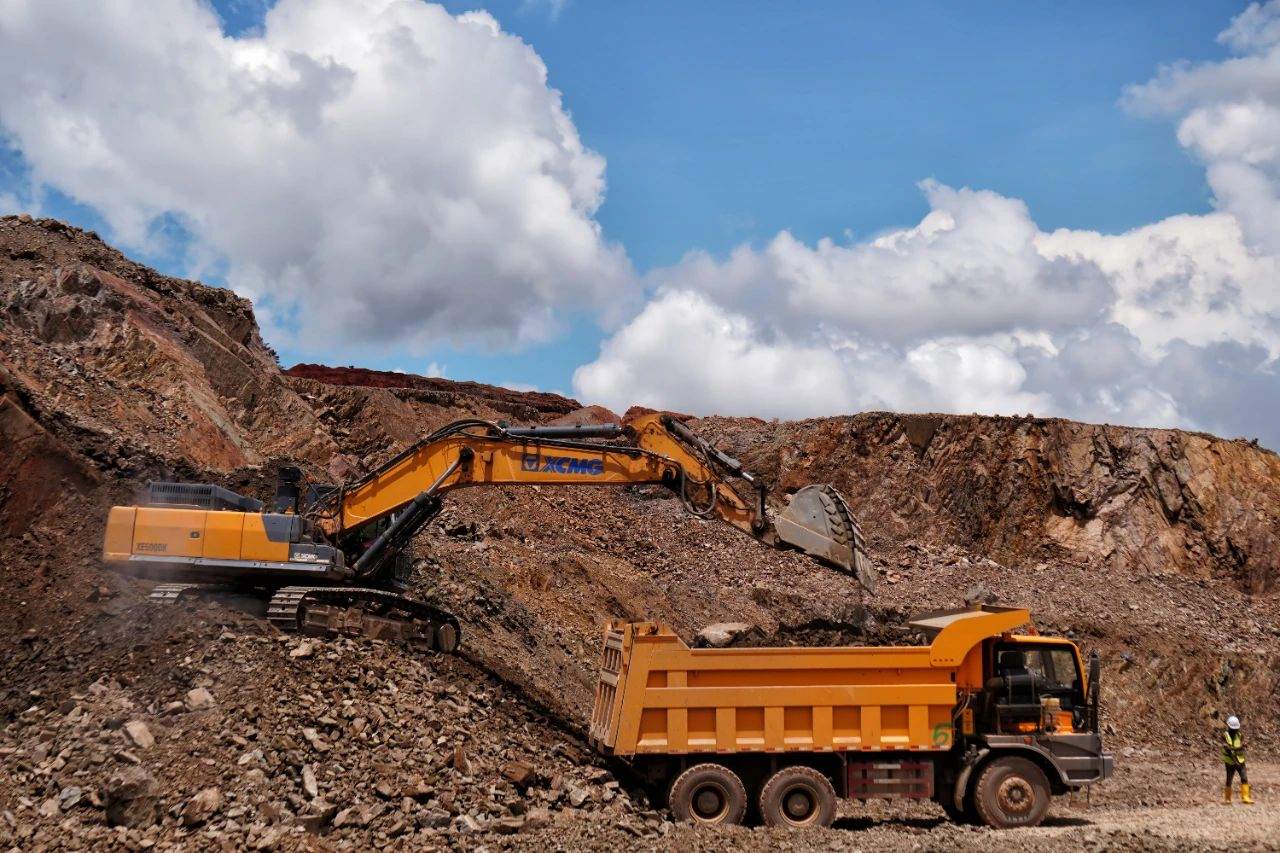
In line with its strategy, AT4 has submitted a Notice of Intent for initial drilling at Fraction Lode. This mine historically produced 275 tonnes of scheelite at a head grade of 1.7% WO3 and is located within trucking distance. The proposed drilling aims to confirm historical mineralization, test extensions, and support future resource definition.
Tungsten, due to its high melting point, hardness, density, and heat resistance, is used in armor-piercing ammunition, missile components, armor plating, jet engines, and radiation shielding, and is designated by the U.S. as a critical mineral. The United States has no domestic tungsten production and relies heavily on imports, with China controlling over 80% of global supply. Following export controls implemented by Beijing last year, the Rotterdam APT price reached $3,185 per metric ton unit in April, representing a 350% increase since the beginning of the year and a nearly 900% increase over 12 months.
In addition to the Dutch Hill project, AT4 is advancing two tungsten projects in Nevada: Tennessee Mountain and Nightingale. Tennessee Mountain hosts a non-JORC historical resource of 708,602 tonnes grading 0.3%-0.5% WO3. The company is evaluating a "hub-and-spoke" development model, where each project could potentially serve as a central processing hub. Furthermore, AT4 is also advancing its Antimony Canyon assets in Utah towards production. This project is viewed by management as one of the largest and highest-grade undeveloped antimony systems in the U.S. Antimony is also designated a critical mineral for defense applications, with 85% of global supply coming from China, Russia, and Tajikistan.
This article is compiled by Wedoany. All AI citations must indicate the source as "Wedoany". If there is any infringement or other issues, please notify us promptly, and we will modify or delete it accordingly. Email: news@wedoany.com