en.Wedoany.com Reported - Mexico's Center for Automotive Research and Technology Studies (CESVI Mexico) has proposed addressing the end-of-life handling of electric vehicle batteries through repair, reuse, and recycling. Jorge González, the organization's Operations Director, stated that as the number of electric and hybrid vehicles in Mexico grows, so does the demand for workshops, technicians, and processes specialized in handling high-voltage batteries.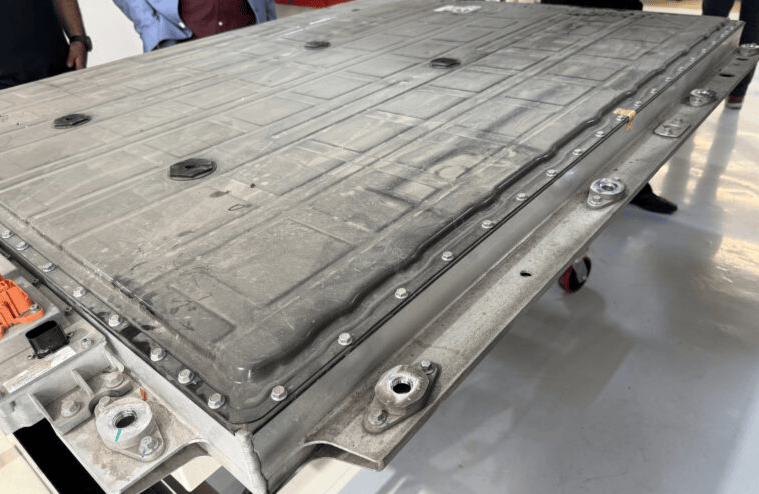
Battery costs can represent up to 40% of the total value of an accident-damaged vehicle, leading many vehicles to be declared a total loss. CESVI Mexico points out that there is currently a lack of infrastructure and qualified personnel to handle these types of components. The organization operates a nearly 1,000-square-meter new technology laboratory in Toluca, Mexico, which opened in October 2025 and specializes in the research, training, certification, and diagnosis of electric and hybrid vehicles. CESVI Mexico also recently obtained certification from CATL, the world's largest electric vehicle battery manufacturer, to train and certify Mexican technicians according to international standards.
González stated that a properly repaired battery can extend its service life by three to seven years beyond its initial cycle. CESVI Mexico notes that batteries no longer suitable for vehicles may still retain 70% to 80% of their energy capacity and can be used in energy storage systems for homes, industry, or the power grid, achieving a "second life." Each reused battery can prevent the emission of 3 to 8 tons of carbon dioxide into the environment. The organization conducts a comprehensive analysis of batteries, evaluating technical aspects and casing damage; batteries that pass the assessment can enter the reuse phase, while those that fail are sent for recycling.
Regarding recycling, CESVI Mexico acknowledges that Mexico currently has no dedicated electric vehicle battery recycling centers, and many recycling processes must be carried out in the United States. Battery transportation costs are up to three times higher than those for other types of vehicle components, involving special packaging and truck specifications. The organization states that Mexico currently lacks appropriate laws to regulate the recycling process. To this end, CESVI Mexico has been collaborating with the Electro Mobility Association (EMA) and Mexican authorities, hoping to establish a suitable legal framework to attract corporate investment in this type of infrastructure.
Despite the challenges, Mexico's electric vehicle market continues to grow. EMA data shows that in the first quarter of 2026, 25,000 hybrid and electric vehicles were sold in Mexico, an increase of nearly 20% compared to the same period last year. The number of charging points grew by 29.1%, from 47,456 to 61,265.
This article is compiled by Wedoany. All AI citations must indicate the source as "Wedoany". If there is any infringement or other issues, please notify us promptly, and we will modify or delete it accordingly. Email: news@wedoany.com