en.Wedoany.com Reported - Global attention on uranium is rising, driven by disruptions in fossil fuel supply and sustained growth in demand for triuranium octoxide (U3O8, commonly known as "yellowcake"). This trend is reflected in mining reports from Johannesburg, involving the element symbol U and atomic number 92.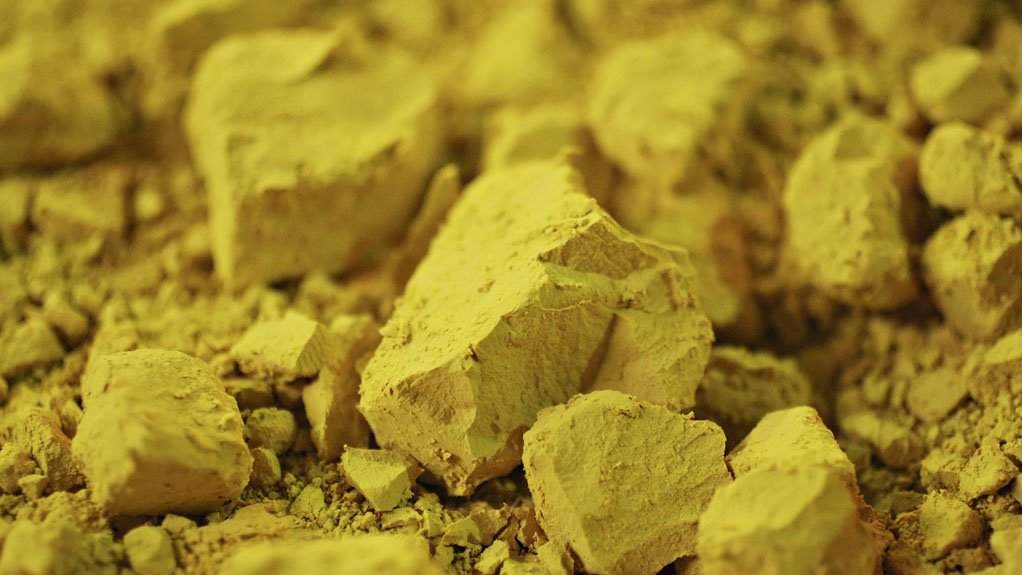
Supply disruptions are also accompanied by demand for decarbonized energy alternatives, which naturally radioactive uranium can provide. The primary use of uranium is in nuclear power plants. South Africa mines uranium as a by-product of gold mining, but the state-owned Koeberg Nuclear Power Station sources its uranium from international suppliers rather than local ones. Uranium trading volumes on global commodity exchanges are limited, with contract sales prices determined by pricing mechanisms that reference industry-published prices, including base-escalated, fixed-price, and market-related mechanisms.
Following the 1973 oil crisis, France initiated a large-scale, state-led nuclear energy transition to ensure energy independence. A McKinsey & Company report indicates that the United States may need up to 300 gigawatts (GW) of new nuclear capacity by 2050 to meet the electricity demands of artificial intelligence and hyperscale data centers. The current US nuclear capacity stands at 97GW. Furthermore, US uranium mining capacity has significantly declined from its peak of 20,000 tonnes of U3O8 per year in 1980. In 2023, 90% of the uranium purchased by US reactor operators came from Kazakhstan, Russia, Uzbekistan, Canada, and Australia, with domestic mine supply accounting for less than 1%.
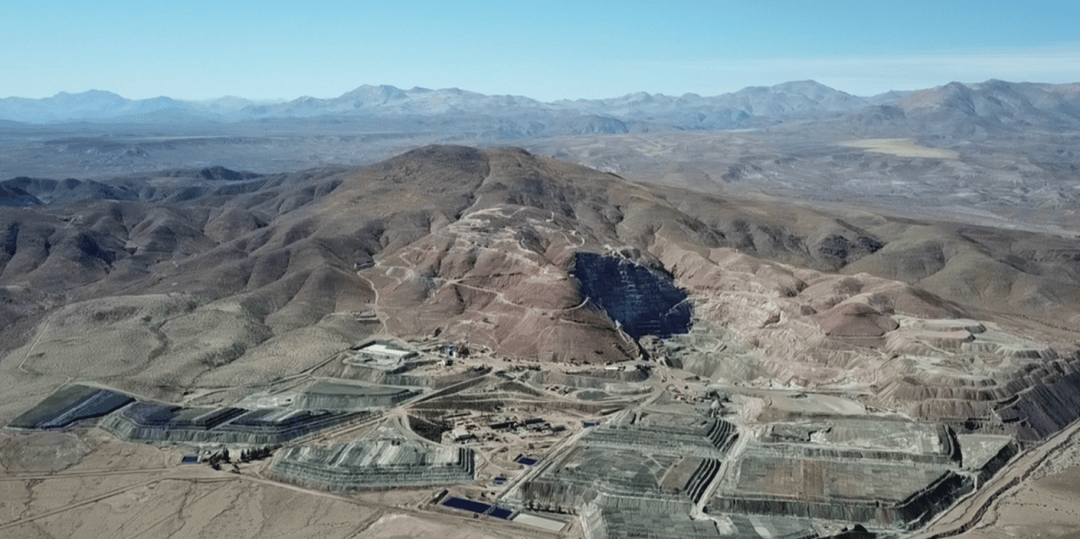
In the Southern African region, knowledge of uranium primarily comes from Namibia, particularly from Paladin Energy. The company released its interim financial report on May 13, showing a gross profit of $34.4 million for the nine months ending March 31. WTS Energy ranks Namibia as the world's third-largest uranium producer, behind Kazakhstan and Canada, with Kazakhstan supplying 39% of global uranium, Canada 24%, and Namibia 12%. Paladin reported that its Langer Heinrich Mine produced 1.29 million pounds of U3O8 in the three months ending March 31, with an average recovery rate of 92%, an average realized price of $68.3/lb, and a production cost of $40.3/lb. The mine is located in the Erongo Region of Namibia, with estimated reserves of 57,000 tonnes of uranium at an ore grade of 0.055%.
Namibia also hosts the Rössing Uranium Mine (operating for 50 years, with mine life extended to at least 2036) and the Husab Uranium Mine. Uranium deposits are also distributed in the Damara Belt in the central-west, the Engo Valley in the north, and the Namaqua Belt in the south. Paladin holds the Patterson Lake South project in Saskatchewan and the Michelin project in Newfoundland and Labrador in Canada, as well as uranium exploration assets in Queensland and Western Australia in Australia.
This article is compiled by Wedoany. All AI citations must indicate the source as "Wedoany". If there is any infringement or other issues, please notify us promptly, and we will modify or delete it accordingly. Email: news@wedoany.com