University of Kassel Develops Injection Compression Molding Technology
en.Wedoany.com Reported - Germany's University of Kassel Institute of Materials Engineering (IfW) has developed an automated production cell for double-sided injection compression overmolding of functional films, enabling short-cycle, large-scale production. Injection compression molding can significantly reduce the pressure load on film inserts and minimize residual stress, allowing sensitive functional films such as electrochromic multilayer systems (ECD) to be integrated into three-dimensional molded parts. This process can also be used for functional components such as capacitive sensors, OLEDs, and printed circuit board traces.
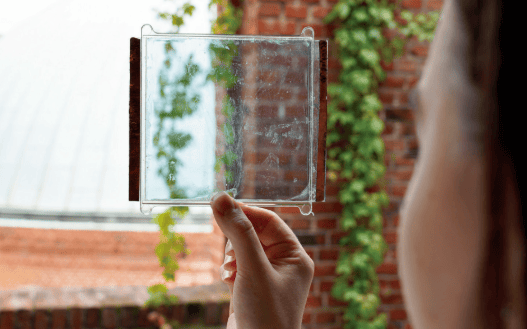
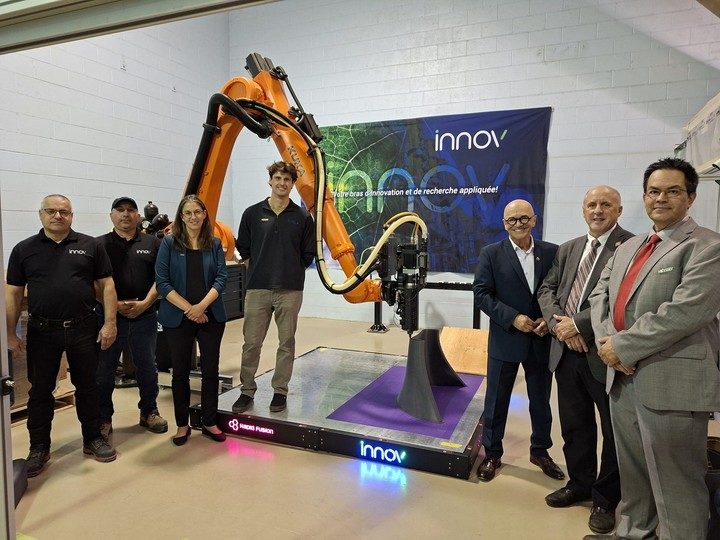
Researchers coated ECD layers onto flexible polycarbonate (PC) films, giving them three-dimensional formability for applications such as one-touch dimming helmet visors or eyeglass lenses. To integrate the coating system into three-dimensional components, the ECD is overmolded with PC on both sides. The production cell integrates a six-axis robotic arm (Model: KR 16; Manufacturer: KUKA), which picks up the functional film via a gripper and places it into a 1+1 configuration injection compression mold. The mold was developed in cooperation with Polar-Form Werkzeugbau GmbH, and film insert molding is performed by a two-component injection molding machine (Model: Allrounder 470 S; Manufacturer: Arburg). In this process, the mold cavity size is larger than the final part during melt injection, and the holding pressure is uniformly distributed through the mold compression function.
In an optical quality comparison, injection molded parts exhibited areas with stronger light refraction near the gate, revealing residual stress or molecular orientation under polarized light. In contrast, injection compression molding does not include a holding pressure phase and applies pressure uniformly, minimizing residual stress. Data shows that the peak cavity pressure was 301 bar under injection molding, while it was only 88 bar under injection compression molding, with lower processing temperatures as well. This is crucial for temperature- and pressure-sensitive electrochromic systems.
To adapt to injection compression molding, the IfW team adjusted the ECD layer structure. The initially used indium tin oxide (ITO) conductive electrode layer exhibited high brittleness; at a layer thickness of 280µm, differences in thermal expansion caused microcracks at temperatures as low as 35°C, affecting the transmittance contrast. The researchers replaced ITO with a conductive organic material, a PEDOT:PSS variant. Although this material has slightly lower conductivity and transmittance, it can withstand the thermomechanical requirements, showing no cracks after injection overmolding, with color-changing quality comparable to the unstressed state. At 1V, the bright-state transmittance reaches 62%, and at -2.5V, the dark-state transmittance is 46%, with an effective area of 145 cm².
The researchers point out that injection compression molding is particularly suitable for thin-walled, transparent applications and for processing sensitive functional films. Besides ECDs, it can also be used for displays, capacitive sensors, LEDs, OLEDs, PCB traces, and piezoelectric sensors. The key factor is that the thermal expansion difference between the substrate and the functional layer, as well as the bending strain, must be kept below the crack initiation strain threshold of the most brittle layer. Furthermore, IfW is participating in a German Research Foundation (DFG) project studying the impact of double-sided overmolding encapsulation on the degradation of ECD switching performance during use.
This article is compiled by Wedoany. All AI citations must indicate the source as "Wedoany". If there is any infringement or other issues, please notify us promptly, and we will modify or delete it accordingly. Email: news@wedoany.com
Related Products

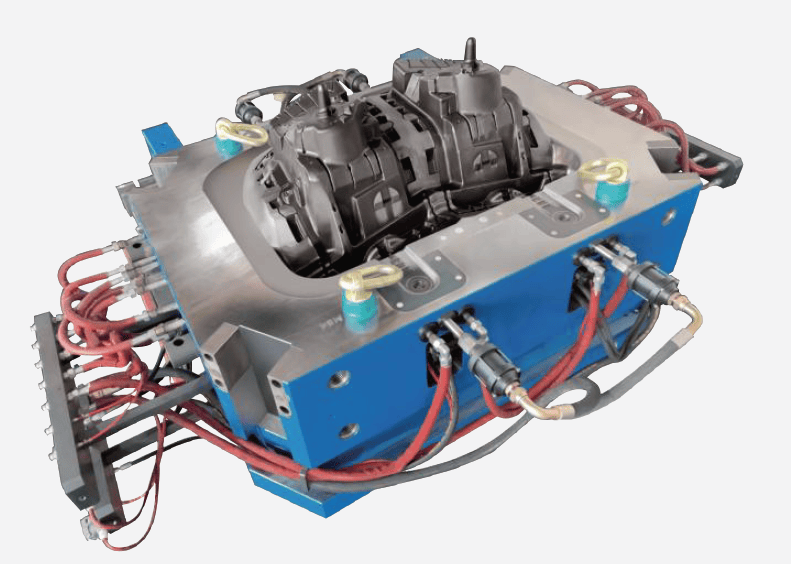
Aluminum-Magnesium Alloy High-Pressure Die-Casting Molds
NINGBO HELI TECHNOLOGY CO., LTD.

Standard Nozzle Flowmeter
Jinggong Automatic Control Instrument Complete Technology Development Company

CAP1400 main feedwater flow nozzle flowmeter.
Jiangsu Hongda Instrument Technology Co., LTD.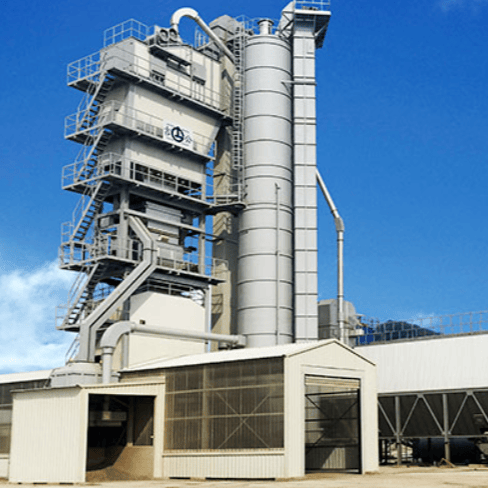
LBH4000 Batch Environmental Protection Asphalt Mixing Plant | Asphalt Batching Plant | Asphalt Mixing Plant
Jilin Province Road Construction Machinery Co., Ltd.