Elon Musk Confirms SpaceX Is in Talks to Provide AI Computing Services to Anthropic and Others, Planning In-Orbit Data Centers
en.Wedoany.com Reported - SpaceX founder Elon Musk posted on social platform X on May 20 local time in the U.S. that SpaceX is currently providing large-scale artificial intelligence (AI) computing services to Anthropic and is in talks with other companies to offer similar services. Musk emphasized that with the construction of in-orbit data centers, he expects to provide AI services on an extremely large scale in the future.
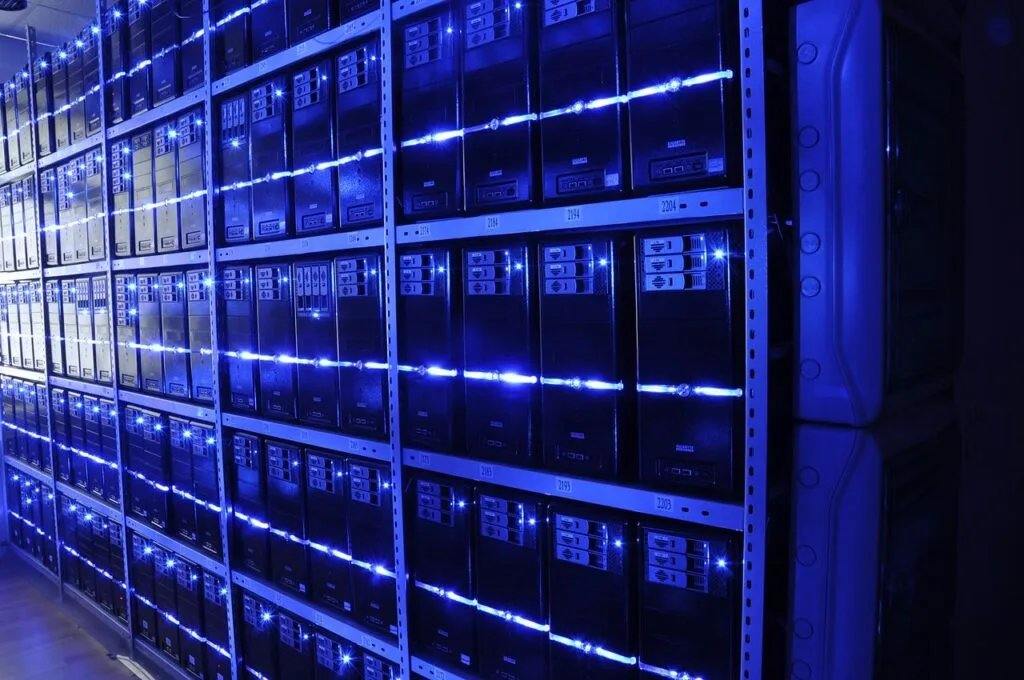
This move signals that Musk has identified space resources as a key strategy to break through the global AI computing power bottleneck. Musk stated that his meeting with Anthropic's senior leadership team left a deep impression on him, and he praised them for not triggering his "evil detector." The essence of this collaboration is that SpaceX is leasing its ground-based supercomputing cluster, named "Colossus 1," to Anthropic. Located in Memphis, Tennessee, this supercomputing cluster houses over 220,000 NVIDIA GPUs, including H100, H200, and the latest GB200 accelerators, with a total computing power capacity exceeding 300 megawatts—comparable to the electricity consumption of a mid-sized city. Through this deal, paid subscribers of Anthropic's AI assistant Claude will directly benefit, with their conversation limits being doubled.
The "in-orbit data center" vision clearly articulated by Musk in his post is the core focus of this announcement. The backdrop to this concept is the global surge in AI computing demand clashing with increasingly strained terrestrial resources. Previously, at the World Economic Forum in Davos, Musk pointed out that the fundamental factor constraining AI deployment is electricity. Although AI chip production capacity is growing exponentially, the slow growth rate of electricity supply on Earth has become a bottleneck hindering AI development, a problem that solar-powered space data centers could solve. SpaceX believes that solar energy in low Earth orbit is inexhaustible, and the vacuum and low-temperature environment of space can effectively address the massive heat dissipation challenges of computing equipment, without consuming precious water resources on Earth.
To realize this grand blueprint, SpaceX has already taken a substantial first step. Earlier this year, SpaceX announced it would acquire xAI, the artificial intelligence startup founded by Musk, and integrate it into SpaceX AI. The newly merged entity not only inherits xAI's AI technology but is also designed to deeply integrate its data infrastructure, paving the way for the construction of space AI data centers. Concurrently, SpaceX has submitted a bold application to the U.S. Federal Communications Commission (FCC), planning to deploy up to 1 million low Earth orbit satellites to build this orbital computing network, a number far exceeding the current total of satellites in orbit worldwide.
Although Musk expressed optimism about the plan's prospects, even predicting that in-orbit data centers "could be realized within two years, three years at the latest," the industry has raised cautious views regarding the immense engineering and technical challenges involved. Reports citing internal SpaceX perspectives indicate that this ambitious plan to provide space-based AI computing power still relies on "unproven technology" and "may not achieve commercial profitability" in the short term. Space data centers need to overcome challenges such as efficient heat dissipation in a vacuum environment, protecting sensitive chips from space radiation damage, and managing an unprecedented number of satellite orbits. Most researchers believe that orbital data centers will take at least a decade, or even longer, to mature from concept to reality.
The latest moves indicate that Musk is shaping his vast business empire into a vertically integrated giant in the AI field. By operating supercomputing centers on the ground and planning future data centers in space, SpaceX aims to fully integrate into the AI value chain from the infrastructure level, providing indispensable "fuel" for companies at the heart of the AI wave, such as Anthropic.
This article is compiled by Wedoany. All AI citations must indicate the source as "Wedoany". If there is any infringement or other issues, please notify us promptly, and we will modify or delete it accordingly. Email: news@wedoany.com
Related Products
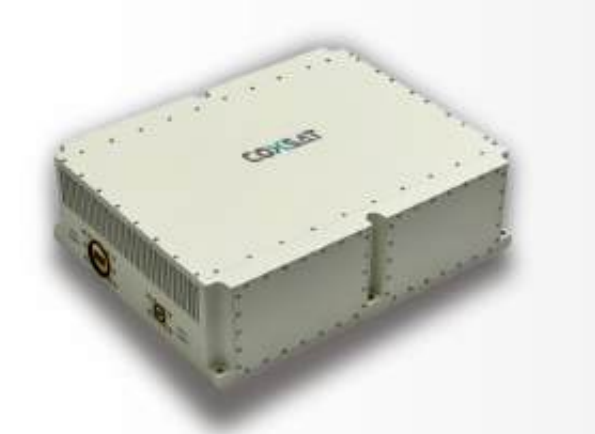



Mine Explosion-proof and Intrinsically Safe Industrial Ethernet Ring Network (10 Gigabit/Gigabit)
Chongqing Mas Sci&Tech Co., Ltd.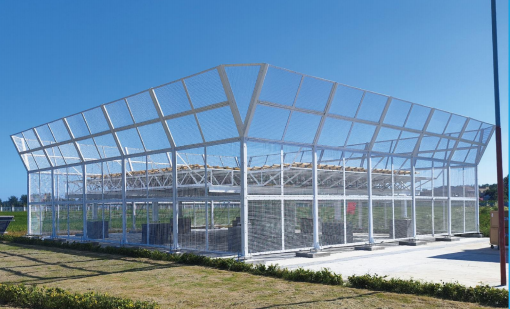
TWP16 P-Band Tropospheric Wind Profile Radar
China Huayun Meteorological Technology Group Co., Ltd.


Conveyor Belt Intelligent Monitoring System
LUO YANG WIRE ROPE INSPECTION TECHNOLOGY CO., LTD.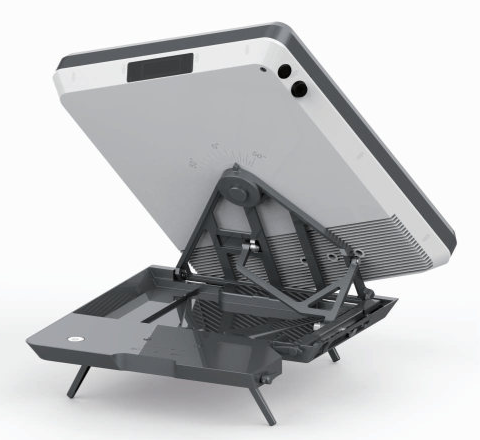
Flat Portable Satellite Terminal 0.35m Aperture Manual Portable Terminal
China Starwin Science & Technology Co., Ltd.


Hot Selling 10 Inch Intel N5100 I5 I7 FHD 8 +128GB 16+256GB Win10 Pro Win11 Pro 4G 5G Rugged Tablet PC Pad with NFC Barcode
Highton Electronics Co., Ltd.