en.Wedoany.com Reported - The Data Science Department of the Quilamapu Center of Chile's Agricultural Research Institute (INIA) has developed a digital tool that predicts the post-harvest behavior of blueberries, providing commercial decision-making support for producers and exporters. The platform integrates physiological analysis, predictive models, and data visualization functions, capable of transforming complex laboratory analyses into visualized strategic information.

The introduction of predictive intelligence, sensors, and data science is propelling Chile's blueberry industry into a new phase. The tool was developed by the Data Science Department of the INIA Quilamapu Center, and the project was led by Paula Vargas, a researcher specializing in data science and digital agriculture. She stated that the system is designed to help interpret key variables related to blueberry ripeness, stability, and commercial quality.
This development is one of the tools promoted by OST Lab Agro, a digital laboratory under INIA that focuses on integrating optical sensors, physiological analysis, and predictive models in fruit cultivation. The system's main advancement lies in its ability to predict the post-harvest behavior of blueberries, which is crucial for the export industry, as the fruit may need to endure over 40 days of storage and transport en route to international markets. The system integrates physiological and structural variables of the fruit to generate comprehensive indicators, helping to interpret the actual condition of each production batch, thereby predicting risks associated with firmness loss, dehydration, uneven ripening, or deterioration during the sales process.
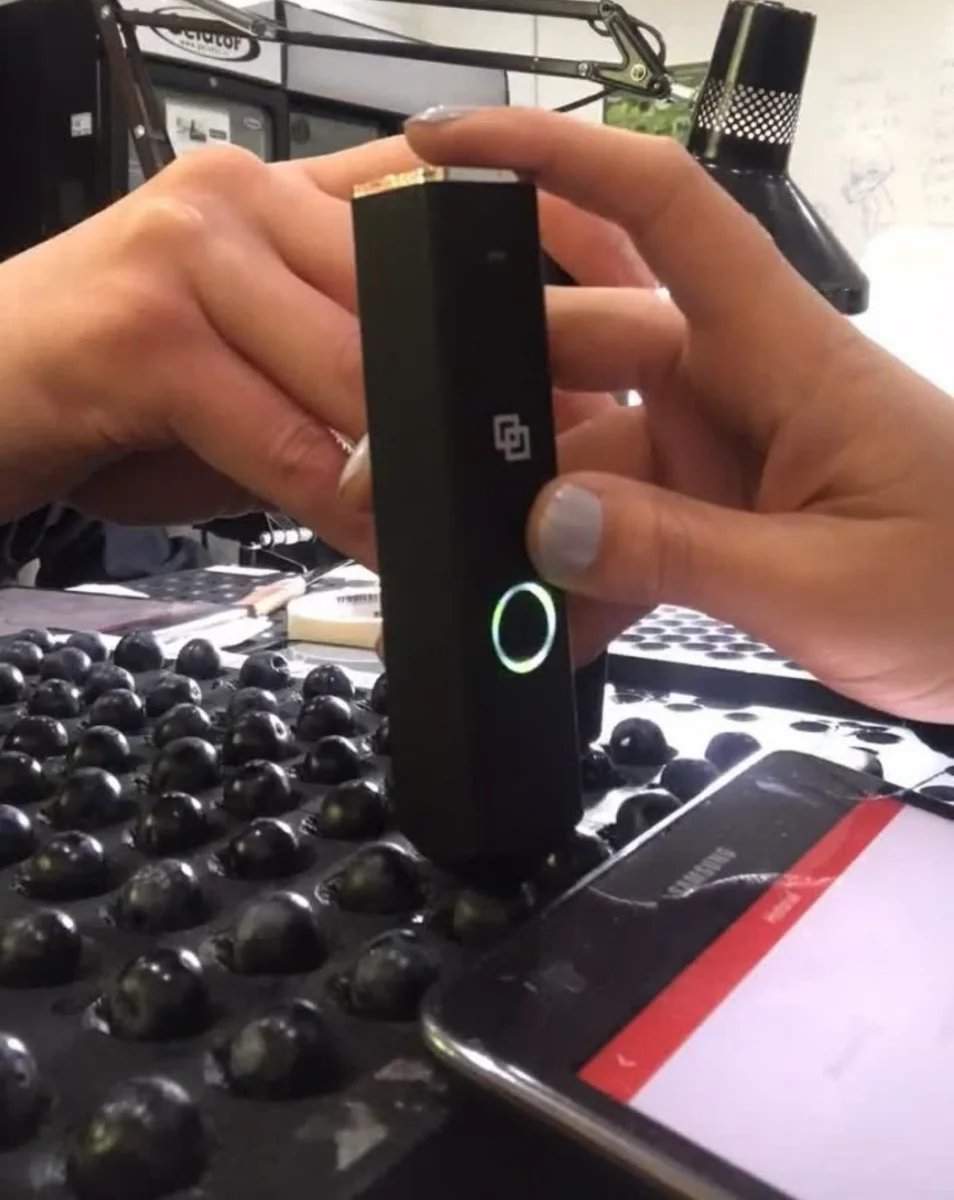
The tool can analyze parameters such as Brix degrees, titratable acidity, anthocyanin concentration, calcium, and dry matter content, providing information related to flavor, sweetness, color, and preservation potential. According to INIA, the technology not only provides overall averages but also identifies variability within the same plot, thereby facilitating fruit grading strategies and differentiated decisions on harvesting and commercial destinations. Information is presented through charts, tables, and visual indicators, allowing for quick interpretation by producers, exporters, and technical advisors, shortening analysis time and improving decision-making precision.
The application of digital agriculture in fruit cultivation is becoming a major area of innovation for Chile's agricultural industry. Against a backdrop of increasingly intense international competition and higher demands from supermarkets and consumers regarding quality, traceability, and arrival condition, INIA states that the development of predictive tools will become ever more important for enhancing national export competitiveness, especially for highly sensitive varieties like blueberries, where minor physiological changes can significantly impact shelf life and consumer experience.
This article is compiled by Wedoany. All AI citations must indicate the source as "Wedoany". If there is any infringement or other issues, please notify us promptly, and we will modify or delete it accordingly. Email: news@wedoany.com