French VINCI Promotes Cooling Islands and Low-Carbon Concrete Technology
en.Wedoany.com Reported - At the Sustainability LIVE: Leaders Summit during London Climate Action Week, Isabelle Spiegel, Vice President of Environment at VINCI, introduced the company's progress in promoting technological innovations such as cooling islands, low-carbon concrete, and water reuse in infrastructure delivery.
Urban areas face unique challenges as impermeable surfaces and heat-absorbing materials exacerbate climate impacts. Spiegel stated that infrastructure interventions can make positive contributions to natural systems. According to company data, since 2018, VINCI has reduced Scope 1 and Scope 2 emissions by 26%, and since 2019, Scope 3 emissions by 4%. The French multinational currently sources 46% of its electricity from renewable energy and uses low-carbon concrete in 32% of its applications.
Spiegel noted that in the field of environment and sustainability, solutions come from the grassroots and the field. The company launched an internal environmental award, receiving up to 1,000 solutions from employees. Ensuring the scaling of these solutions became key, prompting the company to launch another project to replicate these innovations.
Regarding current innovations being leveraged, the focus is on creating urban cooling islands and bringing nature back to cities. The core technological levers include four directions: restoring living soil in urban areas, utilizing nature and vegetation itself, adjusting the color and type of asphalt used, and separating rainwater from the pipe network to directly reinfiltrate it into vegetation and soil. This solution won a grand prize two years ago and is now being scaled, with over 100 projects already applied.
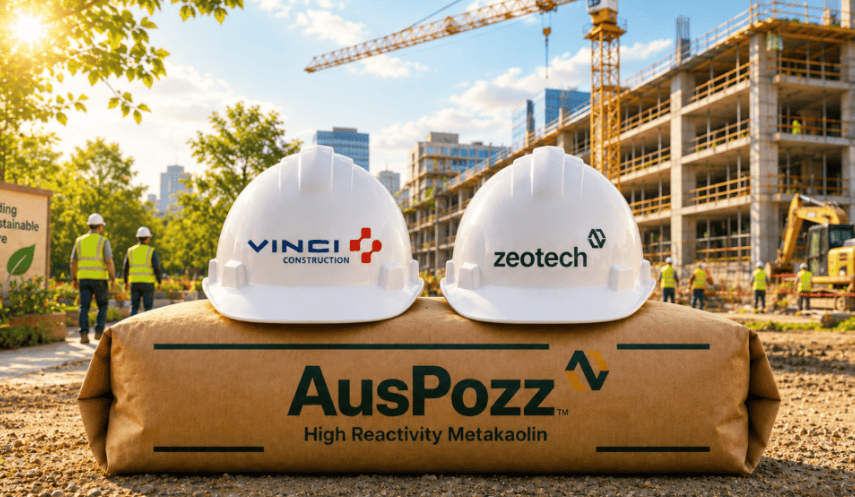
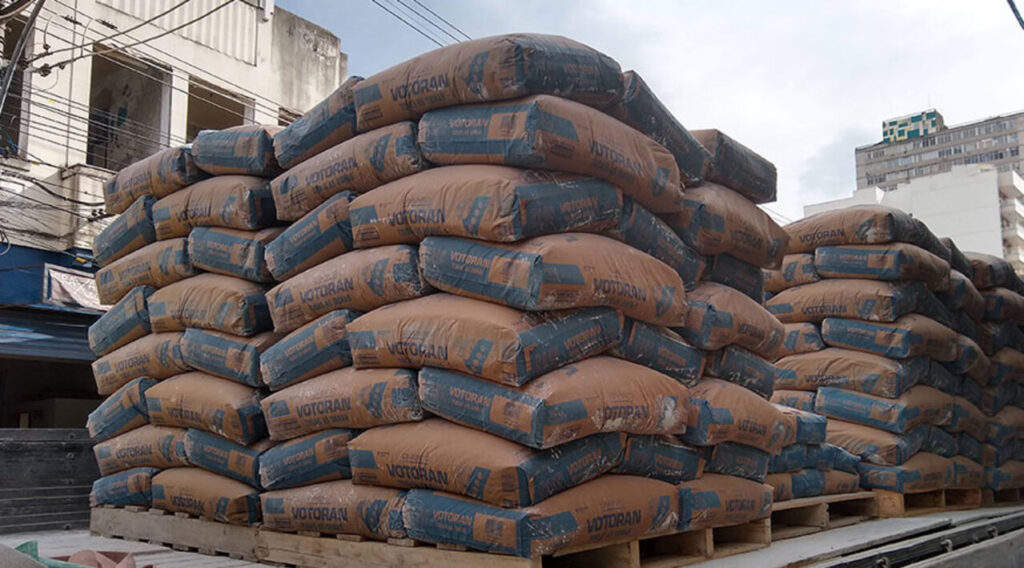
In terms of material circular economy, VINCI began setting low-carbon concrete targets seven years ago, replacing part of the cement with waste from industries such as steel or energy supply to reduce the carbon footprint. The company aims to achieve 90% low-carbon concrete in all VINCI construction projects by 2030. Starting from France, it has already reached a two-thirds proportion of low-carbon concrete applications.
Regarding the water-positive concept in heavy infrastructure, Spiegel stated that the company leverages its experience in building water networks to replenish groundwater by separating rainwater from the pipe network and reinfiltrating it into the soil, while adopting wastewater reuse solutions to avoid using drinking water. For example, using wastewater from municipal authorities near airports to supply airport sanitary water, this approach is moving toward a water-positive goal.
Reflecting on her 20-year career, Spiegel noted that there has been a strong reconnection between current economic impacts and the need to ensure energy supply, critical material supply, as well as environmental and social considerations, making relevant discussions powerful at the board level.
Related Products
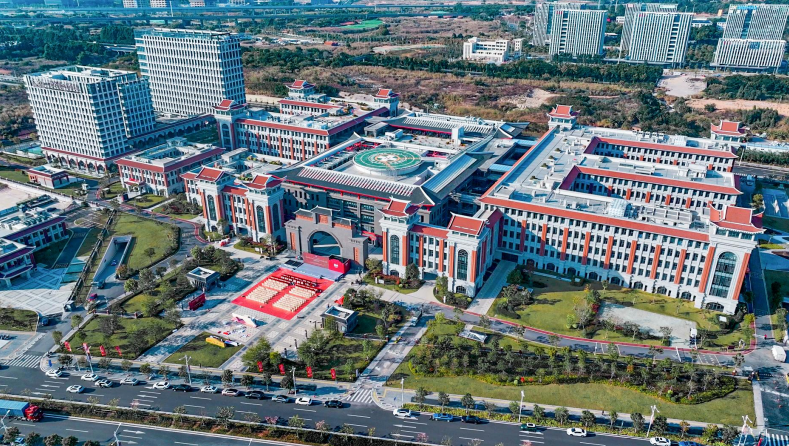

West China Xiamen Hospital of Sichuan University
Wuhan Huakang Century Clean Technology Co., Ltd.
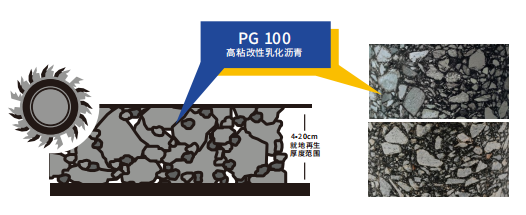
High-toughness in-Situ Cold Recycling Technology for Original Structural Layers
Central Fortune Creation Technology Group Co., Ltd.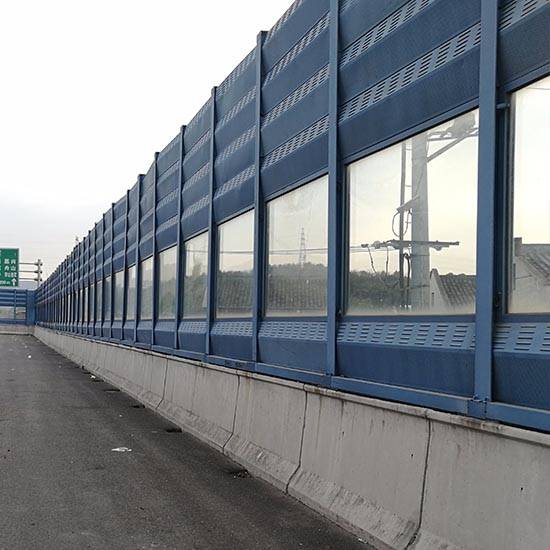
Metal sound barriers that can reduce the transmission of road noise
Hebei Jinbiao Construction Materials Tech Corp., Ltd.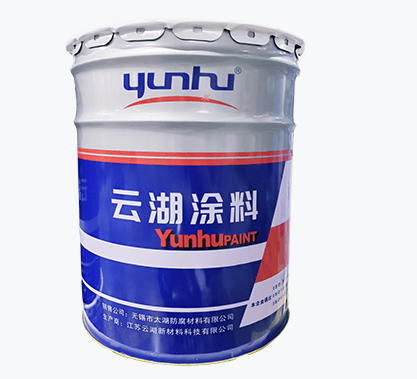
YHTank8400N Solvent-Free Liquid Epoxy Coating
JIANGSU YUNHU NEW MATERIAL TECHNOLOGY CO., LTD.

Industrial and Commercial Point-Type Gas Detector
Jinan Benan Technology Development Co., Ltd.