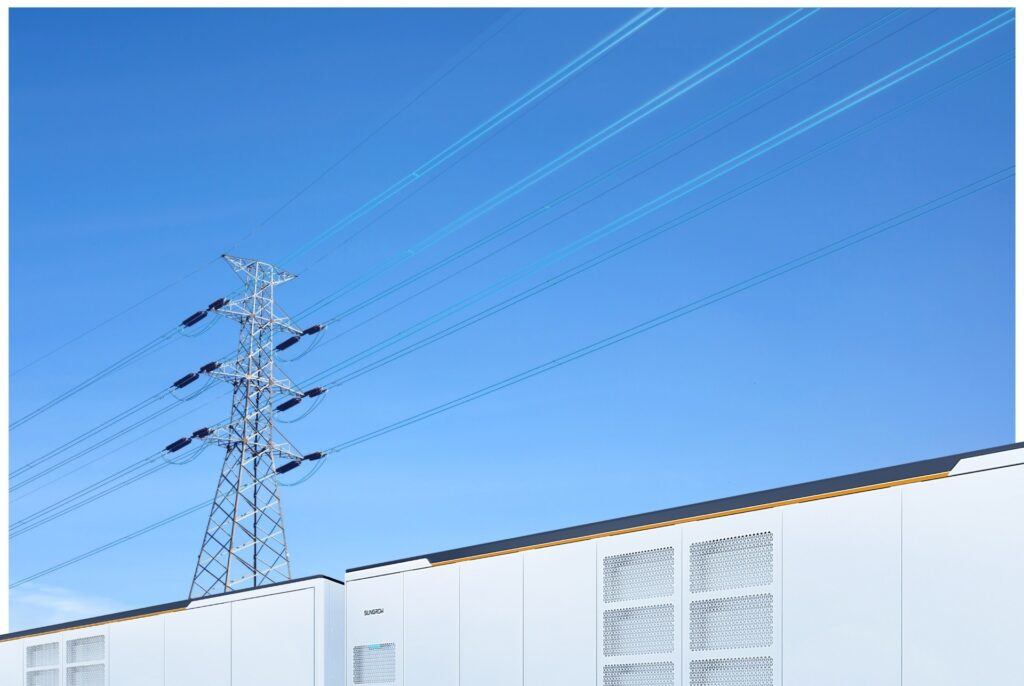
Physical Energy Storage Is Moving from Peak Shaving to Grid Stability Support
en.Wedoany.com Reported - As the share of renewable power continues to increase, power systems need more than simple energy balancing. They require peak shaving, frequency regulation, reserve capacity, inertia support and broader grid stability functions. In this context, Physical Energy Storage is gaining renewed attention as an engineering solution for flexible and resilient power systems.
Unlike electrochemical storage, physical energy storage usually stores energy through water potential, compressed air, flywheel inertia, gravity potential or thermal conversion. These technologies are often valued for long service life, suitability for large-scale deployment and relatively low cycle degradation. Their role is not limited to storing electricity. They can also support system regulation, grid security and long-duration energy management under specific operating conditions.
Physical energy storage is not a single technology route. Pumped storage is one of the most mature large-scale options and is widely used for peak shaving, frequency regulation and emergency reserve. Compressed air energy storage converts electricity into compressed air and later releases it for power generation, making it suitable for large-capacity and long-duration applications. Flywheel energy storage offers rapid response and is more suitable for short-duration, high-frequency regulation. Gravity storage uses the lifting and lowering of heavy masses to store energy and is being explored for long-duration storage scenarios.
From the perspective of new power system construction, the value of physical energy storage lies in its ability to support grid stability. Wind and solar power are variable and weather-dependent. When renewable output changes quickly, the grid needs flexible resources that can absorb surplus electricity during low-load periods and release power during peak demand. Physical storage can help reduce the mismatch between generation and consumption, especially in renewable energy bases, weak-grid areas, load centers and large industrial parks.
The implementation of physical energy storage projects is strongly linked to engineering conditions. Pumped storage requires suitable upper and lower reservoirs, terrain elevation and water resource conditions. Compressed air storage needs to address air storage space, compression efficiency, thermal management and system sealing. Flywheel storage depends on rotor materials, bearings, vacuum systems and power electronics. Gravity storage requires careful evaluation of site conditions, structural safety, mechanical transmission and maintenance requirements.
For investors, developers and engineering companies, project evaluation should not focus only on storage capacity. Site conditions, grid connection needs, dispatching mechanisms, construction difficulty, safety requirements and long-term operation cost must be assessed together. A technically feasible storage concept may not become a practical project if it cannot match local grid demand and engineering constraints.
In the future, physical energy storage will not replace all other storage routes. Instead, it will work together with electrochemical storage, hydrogen storage and thermal storage. Different scenarios require different response speeds, discharge durations, safety levels and lifecycle economics. The opportunity for physical energy storage lies in its ability to support high-safety, long-life and large-scale applications.
Overall, physical energy storage is moving from a traditional peak-shaving tool to a stability-supporting asset in modern power systems. As renewable integration expands and the need for power system flexibility grows, solutions with strong engineering adaptability, system integration capability and long-term maintenance support will play a more important role in future energy infrastructure.
This article is compiled by Wedoany. All AI citations must indicate the source as "Wedoany". If there is any infringement or other issues, please notify us promptly, and we will modify or delete it accordingly. Email: news@wedoany.com
Related Products
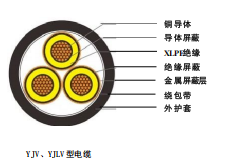

Rated Voltage 6-35kV Cross-linked Polyethylene Insulated Power Cable
TONGDING INTERCONNECTION INFORMATION CO., LTD.
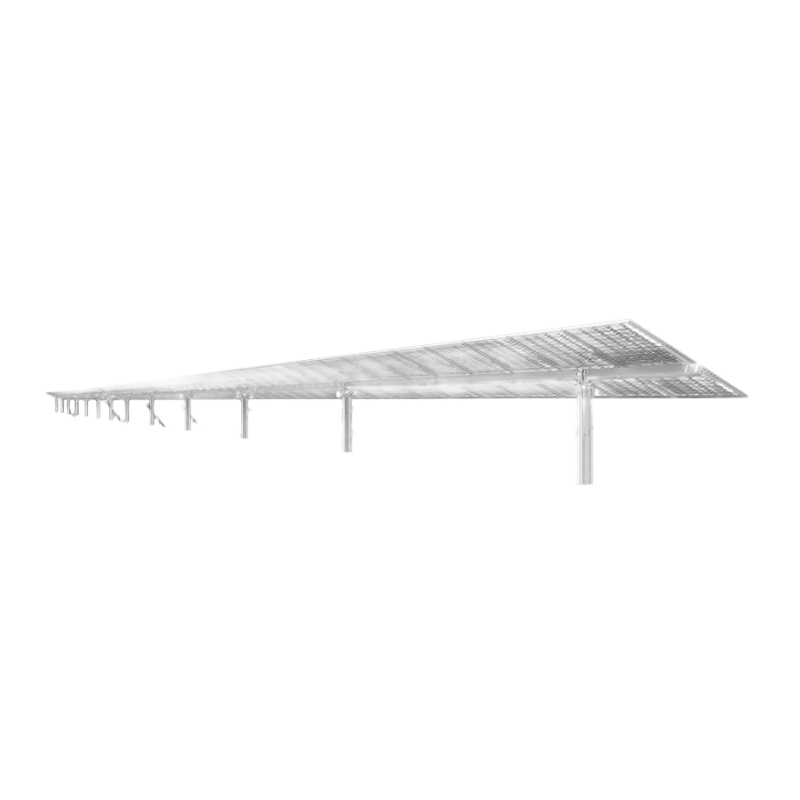
TAI Slew-drive Single-axis Independent 1P Tracking Bracket System
ANTAI TECHNOLOGY CO., LTD.
CAP1400 main feedwater flow nozzle flowmeter.
Jiangsu Hongda Instrument Technology Co., LTD.
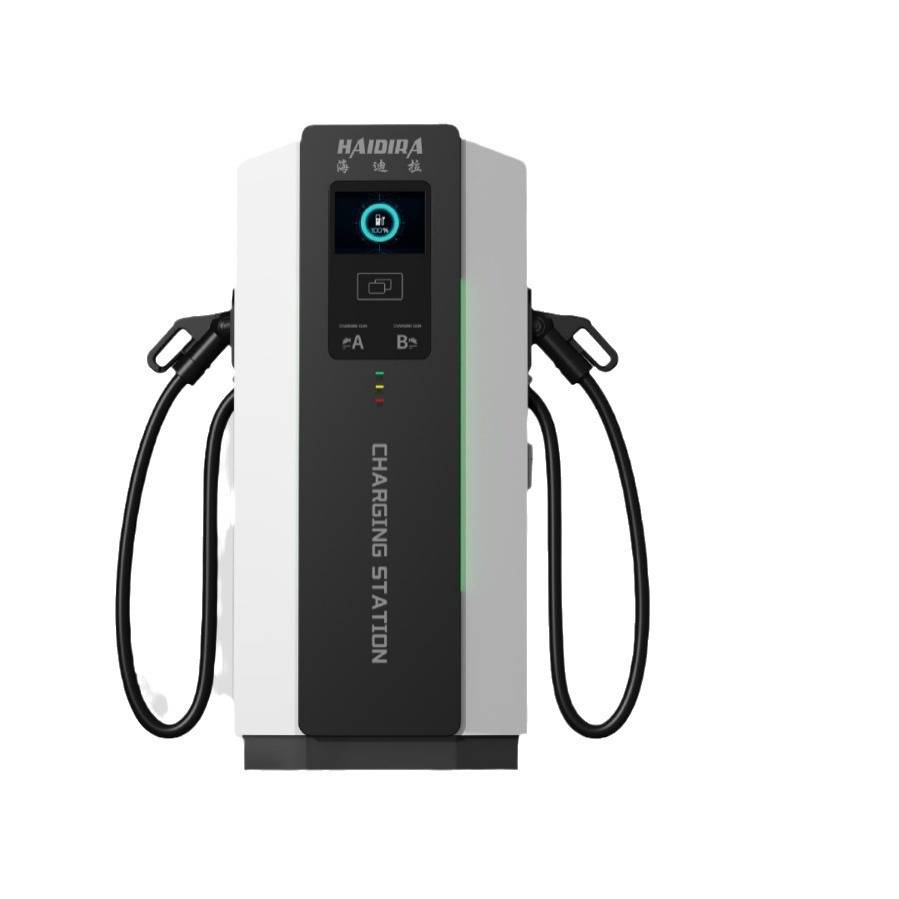
Manufacturer Direct Sales Tesla New Energy Electric Vehicle Universal DC 180kW Dual-gun Charging Pile Commercial Fast Charger
Anhui Haidira Electric Technology Co., Ltd.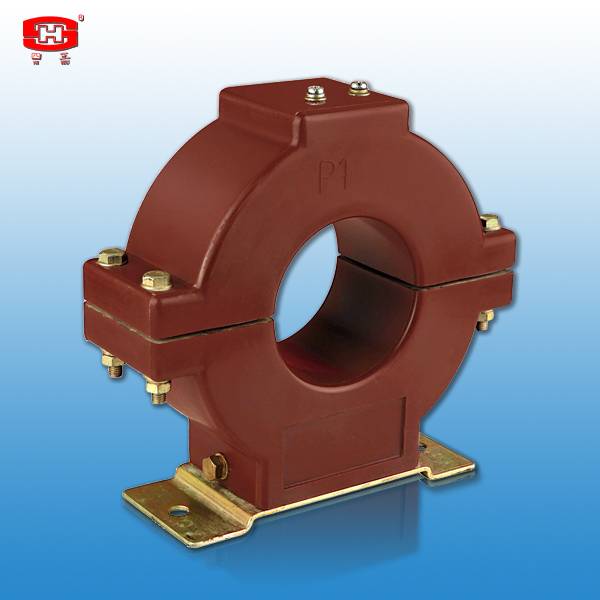
0.66kV Power Supply Instrument Transformer
Guangdong Sihui Instrument Transformer Works Co., Ltd.
Quick-Change Single-Seat Control Valve / Quick-Change High-Pressure Single-Seat Control Valve
Beijing Consen Automation Technology Co., Ltd.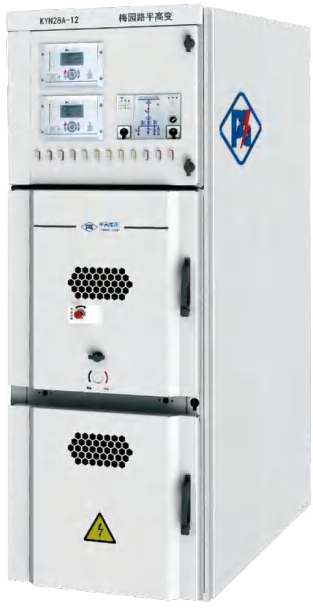
KYN28A-12 Metal Armored Removable Switchgear
Tianjin Ping Gao Intelligent Electric Co., Ltd.