Allstacks Launches Product Studio, Shifting Enterprise Software Development from Code Generation to Requirements Governance
en.Wedoany.com Reported - Allstacks, a U.S.-based software development intelligence platform company, launched Product Studio on June 1, which is now available as an integrated component of the Allstacks platform. Targeting enterprise product and engineering teams, this product moves requirements definition, specification writing, engineering feasibility assessment, and delivery readiness checks into a unified workspace against the backdrop of the rapid proliferation of AI-assisted development.
The core function of Product Studio is to clarify "what to do, why to do it, how to do it, and whether it can be done" as thoroughly as possible before code generation. According to information disclosed by Allstacks, this workspace leverages an enterprise's existing codebase, customer feedback, delivery history, design documents, and strategic documentation to generate more contextually relevant product requirements and technical specifications for product managers, engineering leads, and development teams. Compared to simply having AI write code directly, this type of tool emphasizes governance at the requirements source: teams can form specification drafts around feature goals, historical rework, code foundations, customer voice, team capacity, and security constraints. These drafts are then scored via an AI review mechanism for engineering feasibility, team capacity, security risks, and historical rework rates, ultimately producing a build package ready for execution by developers or AI agents. For mid-to-large enterprises, software systems often operate long-term within complex legacy environments where existing code, interfaces, permissions, databases, business processes, and technical debt are intertwined. If requirements are ambiguous, the faster AI generates code, the more quickly risks of rework, conflicts, and production instability accumulate. Product Studio targets precisely this link, extending AI from a "code-writing tool" to a "product definition and engineering preparation tool," enabling enterprises to first control specification quality, contextual completeness, and delivery boundaries when introducing AI development capabilities, rather than remediating issues after code enters testing or production environments.
Allstacks states that Product Studio helps teams define feature requirements, refine specifications, generate work plans with readiness scores, and share AI review results with teams or AI agents.
Enterprise software development is undergoing a process reconfiguration. Previously, product requirements, user feedback, design documents, development tasks, code repositories, and delivery data were often scattered across different systems, requiring engineering teams to connect them through meetings, experience, and manual effort. With the integration of AI coding tools into the development workflow, code output speed has significantly increased, but the quality of front-end requirements, contextual completeness, and system constraints still determine the final delivery outcome. For teams in banking, healthcare, SaaS, and large enterprise software, software development is not solely about faster code commits; it also involves compliance, permissions, security audits, system maintainability, legacy architecture compatibility, and the cost of production incidents. By embedding Product Studio into its software engineering intelligence platform, Allstacks aims to connect the product definition phase with the engineering execution phase, allowing AI to understand business goals, technical boundaries, team capabilities, and historical delivery signals before generating or modifying code. This direction reflects that the enterprise AI development tool market is shifting from "code-level acceleration" to "software delivery chain governance": those who can integrate requirements, code, delivery, risk, and capacity data will be better positioned to help enterprises push AI-assisted development into real production systems. For the software industry, requirement specifications are no longer just project documents; they are becoming a critical entry point for AI agents to execute tasks, engineering teams to control quality, and enterprises to reduce rework costs.
Future variables for Product Studio center on the depth of enterprise system integration, the quality of contextual knowledge graphs, the credibility of AI review results, integration capabilities with existing project management and code platforms, and whether customers are willing to entrust the product definition phase to an intelligent workspace. If such tools can reduce rework, minimize requirement misunderstandings, and improve delivery stability in complex enterprise environments, enterprise software development will continue to evolve from point-solution code generation towards a closed loop of product, engineering, and operational data. This launch by Allstacks indicates that the competitive focus of AI development tools is shifting from "who can write faster" to "who can help enterprises write more accurately, more stably, and with greater control."
This article is compiled by Wedoany. All AI citations must indicate the source as "Wedoany". If there is any infringement or other issues, please notify us promptly, and we will modify or delete it accordingly. Email: news@wedoany.com
Related Products
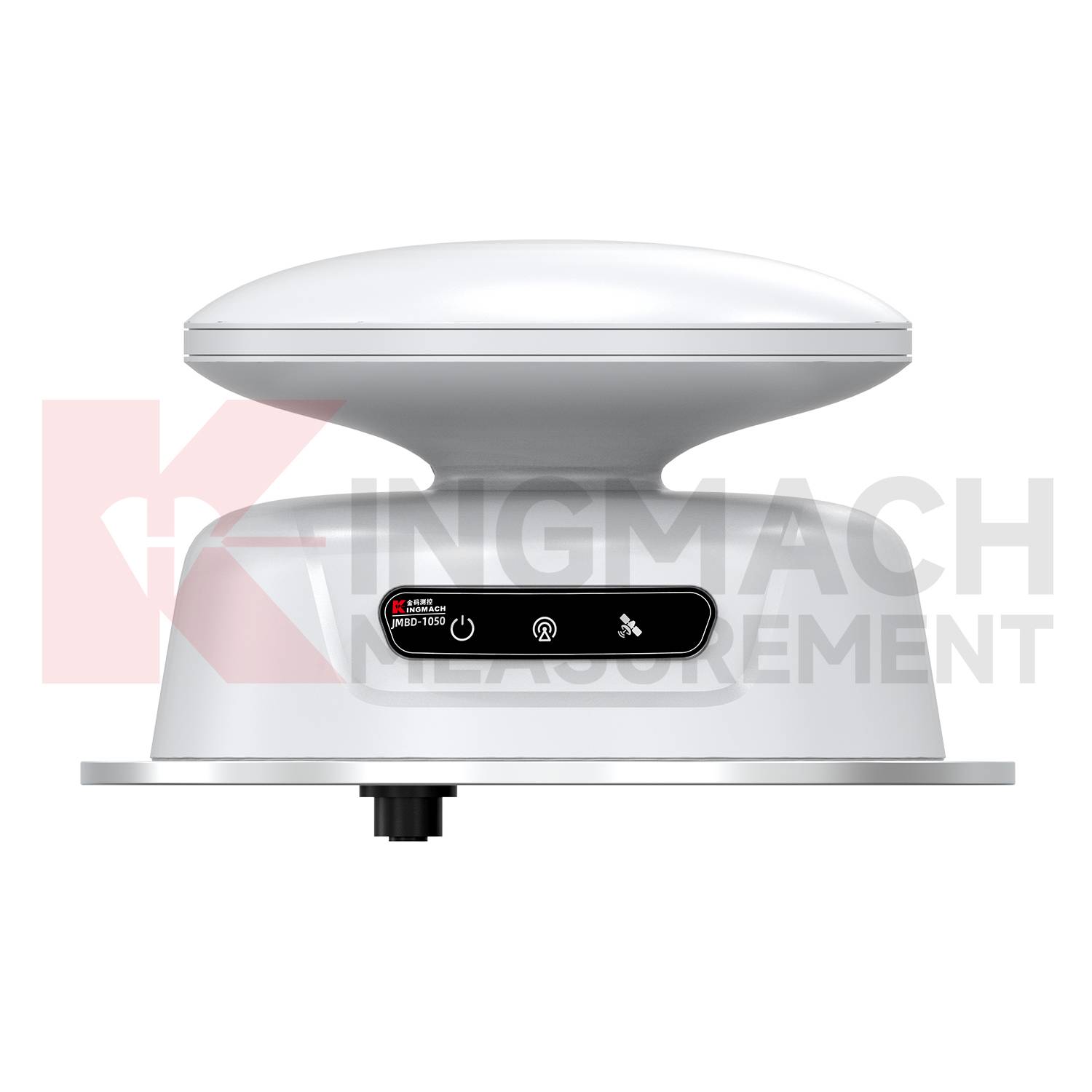

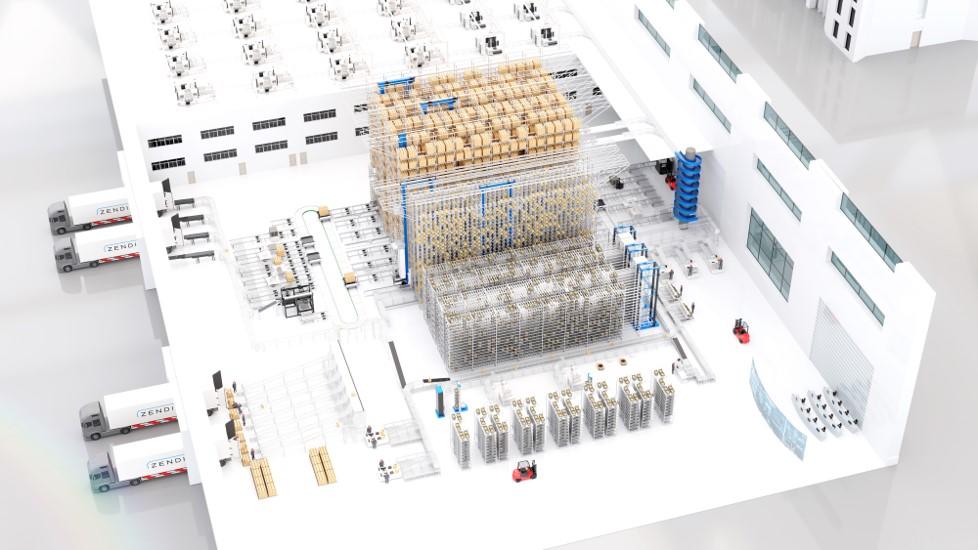
One-Stop Steward Service for the Entire Logistics System Integration Chain
Zhongding Intelligent (Wuxi) Technology Co., Ltd.

Multi-function Marine Monitoring Low-altitude Detection Radar Sea-air Boundary Ocean Dynamic Environment Measurement
Chengdu Dixin Technology Co., Ltd.
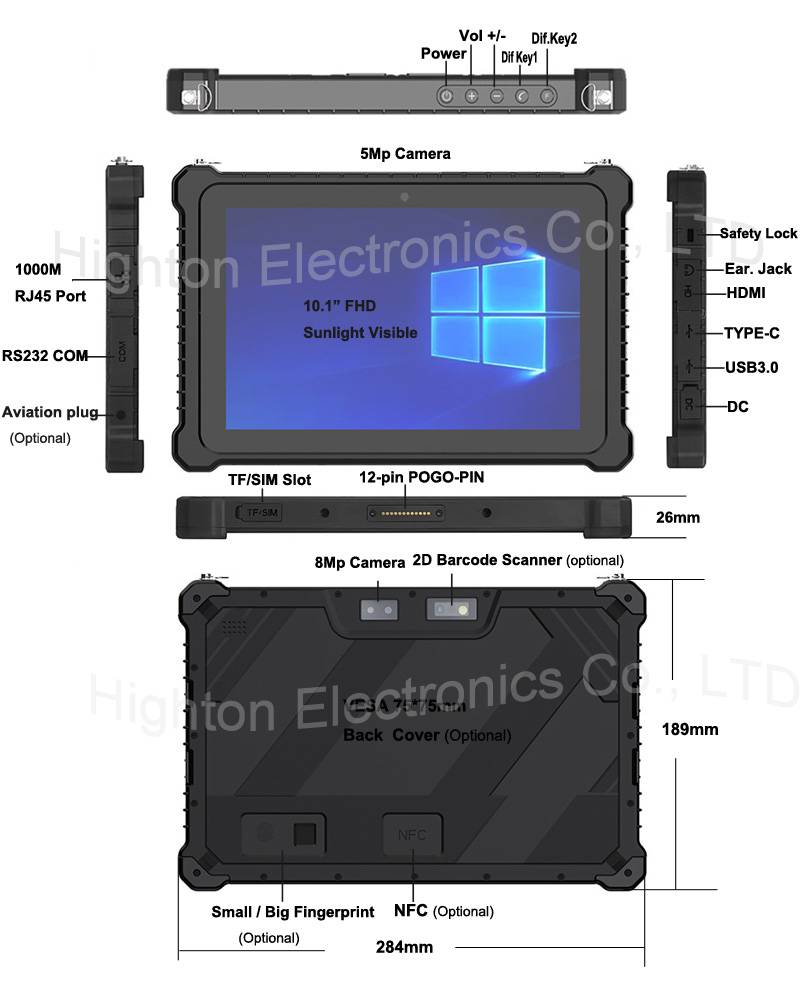
Hot Selling 10 Inch Intel N5100 I5 I7 FHD 8 +128GB 16+256GB Win10 Pro Win11 Pro 4G 5G Rugged Tablet PC Pad with NFC Barcode
Highton Electronics Co., Ltd.

Flat Portable Satellite Terminal 0.35m Aperture Manual Portable Terminal
China Starwin Science & Technology Co., Ltd.