en.Wedoany.com Reported - The Japan Electric Power Grid Operators Association has selected 19 battery storage projects with a total installed capacity of 1,251 MW in the third round of Japan's national capacity market auction. The association announced the results of the long-term decarbonization power auction on May 13.
This is Japan's third annual supplementary capacity market auction, conducted in addition to the main capacity market auction. The auction aims to secure the capacity needed for power supply safety, while the long-term decarbonization power auction targets adding long-term clean energy capacity to the grid. Winning projects will receive fixed revenue contracts for 20 years, with capacity delivery starting from fiscal year 2027.
In the previous round of auctions announced in April 2025, a total of 1.3 GW of battery storage projects were selected, including projects with durations of 3 hours and 6 hours. This round's eligibility was restricted to battery storage projects with a duration of 6 hours or more. This round also introduced a new cybersecurity certification system, JC-STAR, and localization content rules, stipulating that the proportion of foreign-manufactured batteries in selected battery storage capacity must not exceed 30%. Industry insiders believe these factors led to a reduction in the number of bids compared to previous rounds.
In addition to battery storage projects, this round of auctions awarded other contracts: two pumped storage hydropower projects totaling 453 MW, ammonia co-firing gas projects at 264 MW, hydrogen power generation projects at 253 MW, biomass power generation projects at 101 MW, new or refurbished nuclear power projects at 1.38 GW, nuclear unit upgrade projects at 558 MW, and liquefied natural gas power generation projects at 3 GW. The total bid capacity was 10.9 GW, of which 67% was successfully awarded.
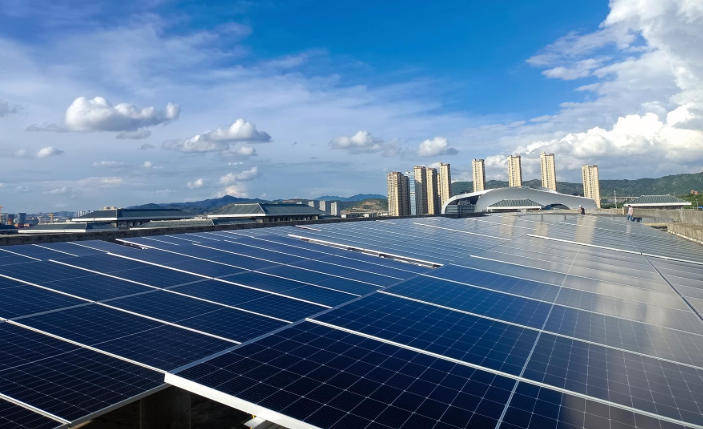
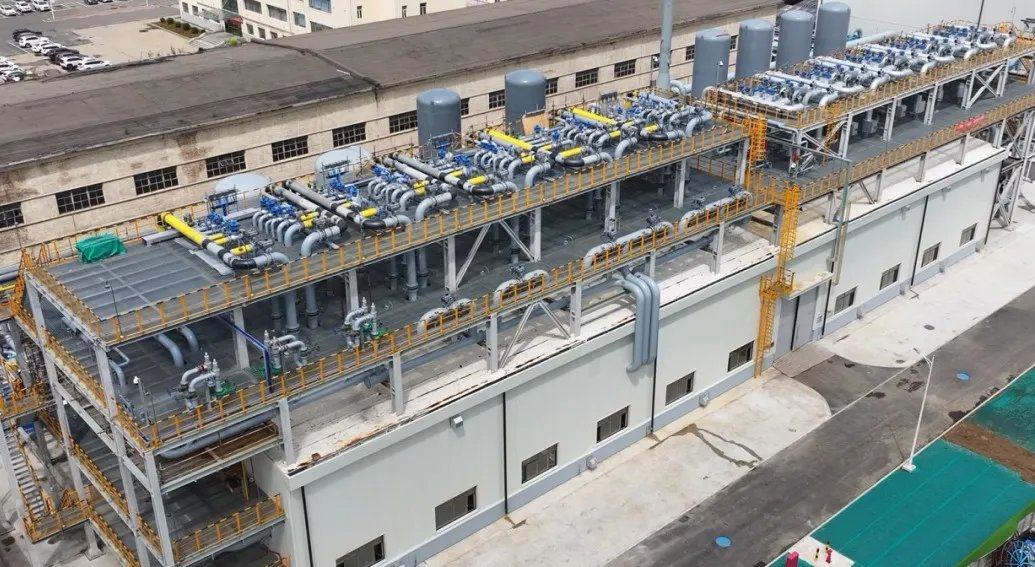
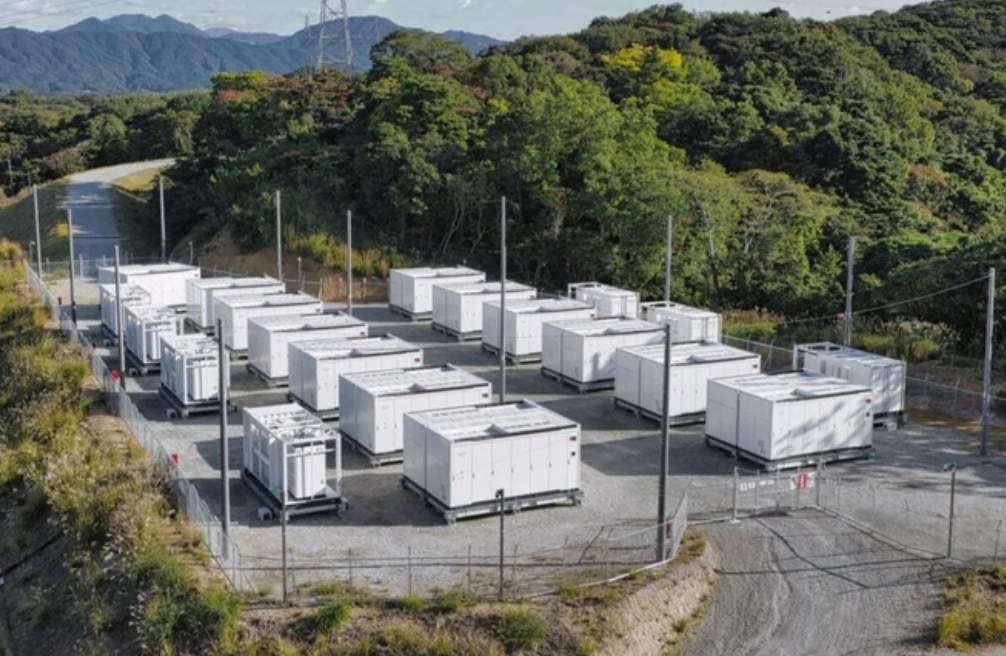
Solar power facility developer Hexa Energy Services recently held a completion ceremony for the 30 MW/130 MWh Tagawa battery storage project, which is Japan's first battery storage project to secure a long-term decarbonization power auction contract. The project won a contract in the fiscal year 2023 auction, and Hexa had a total of 11 projects selected in that round, with a combined capacity of 455 MW.
A subsidiary of U.S. investment firm Stonepeak has secured at least three contracts, corresponding to project capacities of 95.6 MW, 45.9 MW, and 32.8 MW, respectively. Stonepeak entered Japan's battery storage market in 2024, driven by the fundamental demand for energy storage systems in Japan and a favorable policy environment. Stonepeak, in a joint bid with Singapore-based battery storage developer CHC, secured a total of 348 MW of capacity contracts in the previous round. In the latest results, CHC is listed as the winning bidder for two projects with capacities of 75.6 MW and 36.7 MW, respectively.
Japan-based renewable energy developer Bison Energy stated that two of its projects secured capacity contracts of 141.5 MW and 140 MW, respectively. Like Stonepeak and CHC, Bison Energy also won bids in last year's auction. Hexa Energy Services also appears on the list of winning projects for fiscal year 2025, securing capacity contracts of 46.9 MW and 43.5 MW, respectively.
Hexa Energy Services stated that its two grid-scale battery storage projects (with a total installed capacity of 90.47 MW) were successfully selected in the fiscal year 2025 long-term decarbonization power auction. As the generation output from renewable energy facilities continues to grow, especially against the backdrop of increasing energy environment uncertainties such as rising energy costs and concerns over stable supply, grid-scale energy storage systems are becoming increasingly important as power infrastructure. Battery energy storage systems play a key role in balancing power supply and demand, alleviating grid congestion, and stabilizing power supply. These projects selected through the auction also help reduce public cost burdens related to grid stability.
This article is compiled by Wedoany. All AI citations must indicate the source as "Wedoany". If there is any infringement or other issues, please notify us promptly, and we will modify or delete it accordingly. Email: news@wedoany.com