en.Wedoany.com Reported - On-site oxygen generation technology is becoming a key means for the water industry to improve treatment efficiency. Against the backdrop of growing demand, stricter regulations, and higher sustainability requirements, Australian water utilities are facing an increasingly urgent need for efficient and reliable treatment processes.
In wastewater treatment, oxygen is fundamental for microorganisms to break down organic matter in activated sludge systems. Insufficient or unstable dissolved oxygen supply can lead to reduced treatment efficiency, impacting treatment capacity and posing compliance risks. Optimizing oxygen levels can accelerate biological activity, increase treatment throughput, and stabilize plant performance. For water utilities dealing with population growth and increased inflow, enhancing aeration efficiency can boost treatment capacity without large-scale infrastructure expansion. On-site oxygen generation systems provide a stable and controllable oxygen supply, helping operators flexibly respond to demand fluctuations.
In drinking water and groundwater treatment, oxygen oxidizes dissolved contaminants such as iron, manganese, and ammonium, converting them into solid particles that can be removed by filtration. This process improves water clarity, taste, and safety, helping to meet drinking water standards. A stable oxygen supply is crucial for achieving predictable treatment outcomes.
Ozone (O₃), produced from oxygen, is increasingly used as a chemical-free disinfection solution. Unlike chlorine-based methods, ozone provides powerful oxidation without generating harmful residues, helping to reduce chemical dependency. Ozone also improves taste and odor control, breaks down organic compounds, and supports advanced treatment processes.
On-site oxygen generation systems offer greater resilience and efficiency compared to traditional delivered gas solutions. Operators can produce oxygen on demand, ensuring supply is not affected by transportation delays or demand fluctuations. Systems can be scaled according to needs, providing flexibility for infrastructure upgrades. Technology selection requires consideration of factors such as purity levels, flow rates, and operating conditions. Pressure Swing Adsorption (PSA) and Vacuum Pressure Swing Adsorption (VPSA) technologies each have advantages in different applications. Tailored solutions can balance performance and cost-effectiveness.
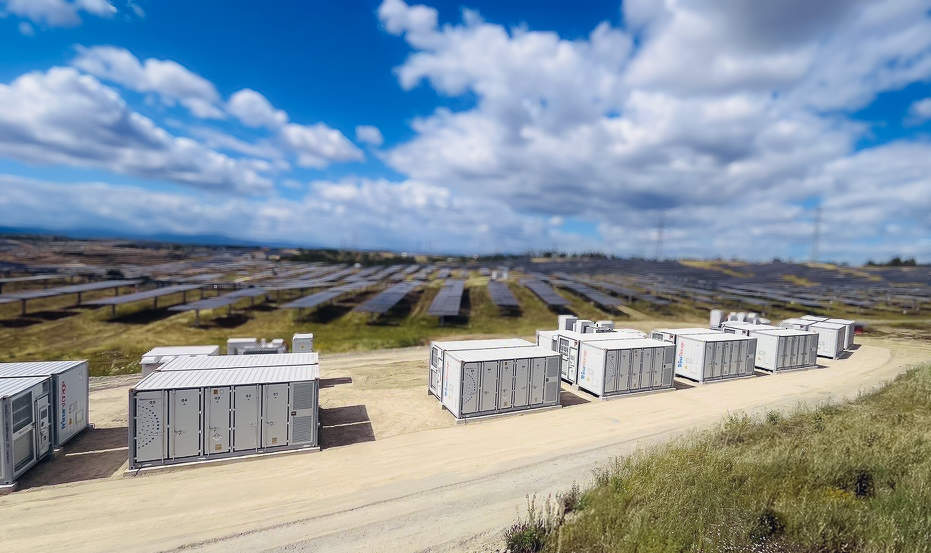
Integrated, modular solutions such as containerized oxygen generation systems are becoming increasingly important. These systems can be rapidly deployed, making them suitable for remote areas, temporary capacity expansion, and phased infrastructure upgrades.
The integration of oxygen and ozone technologies offers opportunities for water utilities to enhance performance and address industry challenges. By boosting biological activity, supporting effective oxidation, and reducing chemical dependency, these systems contribute to more resilient and sustainable operations. Oxygen generation is transitioning from a supporting technology to a key enabler of modern water infrastructure.
This article is compiled by Wedoany. All AI citations must indicate the source as "Wedoany". If there is any infringement or other issues, please notify us promptly, and we will modify or delete it accordingly. Email: news@wedoany.com