University of Kansas Improves PFAS Detection, Reducing Time by 20-Fold
en.Wedoany.com Reported - A study at the University of Kansas has improved the detection method for PFAS (a class of substances known as "forever chemicals") in drinking water supplies, enabling faster and cheaper measurement of trace contamination levels compared to existing technologies. The findings were published in the open-access journal PLOS Water.
PFAS chemicals have been used for decades in products such as non-stick cookware, fire-resistant and stain-repellent fabrics. These substances persist in the environment and the human body, potentially causing cancer, immune system issues, and developmental disorders.
Study co-author Michael Zhuo Wang, a professor of medicinal chemistry at the University of Kansas, explained that PFAS are man-made synthetic chemicals containing polyfluoroalkyl or perfluoroalkyl carbon, used industrially to manufacture products like Teflon, waterproof coatings, and firefighting foam, with a wide range of industrial applications. The problem is that they do not break down easily in the environment. These chemicals migrate through soil and water, eventually entering drinking water. The human body can absorb these compounds into the blood and tissues but lacks the ability to break them down, leading to accumulation in the body. Some studies indicate their half-life in blood is five to eight years. A growing body of epidemiological research suggests they may be linked to health issues, including developmental disorders and certain cancers, with kidney cancer and testicular cancer in men being two types mentioned in recent studies.
Due to these health concerns, U.S. lawmakers are pushing to tighten regulations on PFAS in drinking water. Current U.S. Environmental Protection Agency (EPA) regulations set limits for certain PFAS in drinking water at approximately 4 parts per trillion, with regulatory levels ranging from about 4 to 10 parts per trillion depending on the compound. The maximum contaminant level goal indicates that ideally, the level should be zero.
To determine whether PFAS levels are below 4 parts per trillion, laboratories require extremely sensitive testing, which exceeds the capabilities of conventional labs. Wang stated that the biggest challenge is sensitivity—how to reach sub-parts-per-trillion levels. Detecting PFAS at such low levels is like finding a few grains of sand in an Olympic-sized swimming pool. The most sensitive instrument is LC-MS (liquid chromatography-mass spectrometry), but without sample preconcentration, it can only achieve parts-per-billion levels, which are about a thousand times higher than parts-per-trillion levels. Current EPA methods require concentrating water samples first, a time-consuming process.
Wang and his team members—doctoral student Deepak Timalsina (first author of the study) and co-author, recent doctoral graduate Bhargavi Srija Ramisetty—sought to develop a more practical, economical, and time-saving PFAS detection method. They combined rapid flow solid-phase extraction (SPE) to concentrate PFAS from water samples with UPLC-MS/MS (ultra-performance liquid chromatography-tandem mass spectrometry) for highly sensitive chemical analysis. The biggest improvement of this method is the reduction in sample concentration time, from hours to minutes. For a 500-milliliter sample, loading previously took about 100 minutes, but now takes approximately 6 to 8 minutes—a reduction of about 20-fold. To further lower the detection limit, larger volumes are needed—up to 4 liters instead of 500 milliliters, an eightfold increase in volume. Using the original method, the same process would take about eight times longer, requiring over half a day just to load the sample onto the SPE column. With the rapid flow method, this can be completed in about 60 minutes.
In addition to reducing sample preparation time, the rapid flow solid-phase extraction process significantly lowers the cost of PFAS analysis. Wang noted that current market analysis costs for each sample are at least $400 to $500, which is prohibitively expensive for full implementation of EPA regulations across all water treatment plants. The goal is to reduce costs so that water bills do not rise sharply due to monitoring requirements.
One obstacle to broader and stricter PFAS sampling is the complexity of transporting large volumes of drinking water from treatment plants to testing laboratories. Wang's team is collaborating with InnovaPrep, located at the KU Innovation Park, on a project funded by the National Institutes of Health (NIH) Small Business Technology Transfer grant. The research aims to develop a concentration device, such as a pipette-based system, that can absorb PFAS from water. Instead of transporting large volumes of water, a pencil-sized device could be sent to the lab, significantly reducing transportation costs and complexity.
This article is compiled by Wedoany. All AI citations must indicate the source as "Wedoany". If there is any infringement or other issues, please notify us promptly, and we will modify or delete it accordingly. Email: news@wedoany.com
Related Products

220kV Composite Outdoor Cable Terminal
Shenyang Guolian Cable Accessories Manufacture Co., Ltd.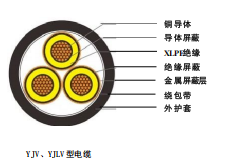
Rated Voltage 6-35kV Cross-linked Polyethylene Insulated Power Cable
TONGDING INTERCONNECTION INFORMATION CO., LTD.
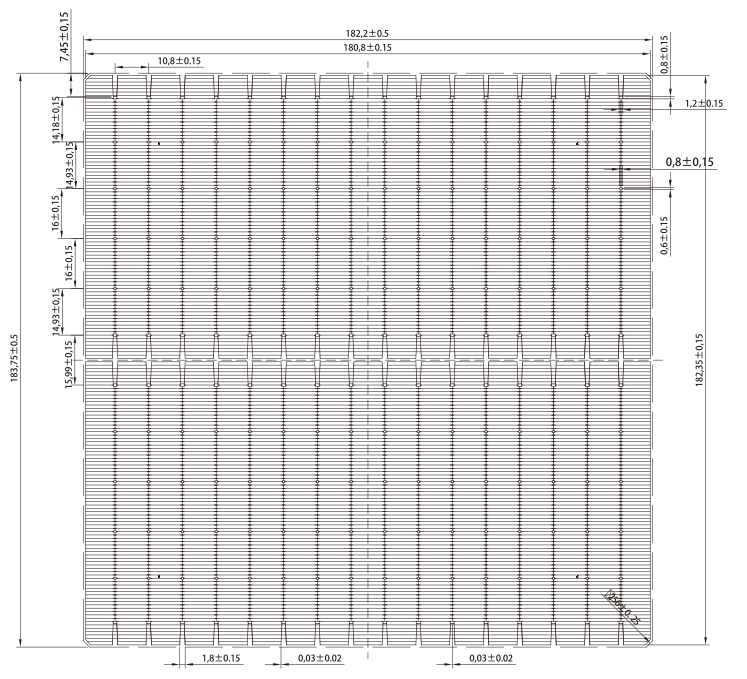
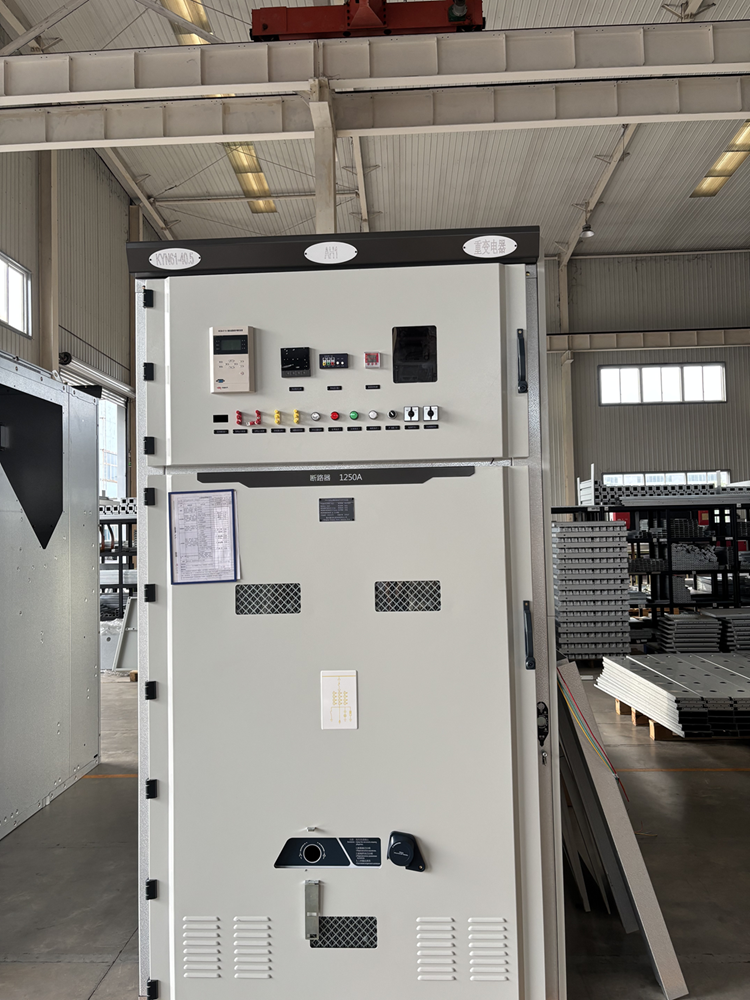
KYN61-40.5 Indoor AC Metal-clad Removable Switchgear
Chongqing Transformer Co., Ltd.

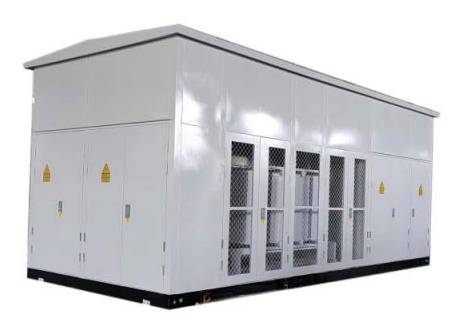

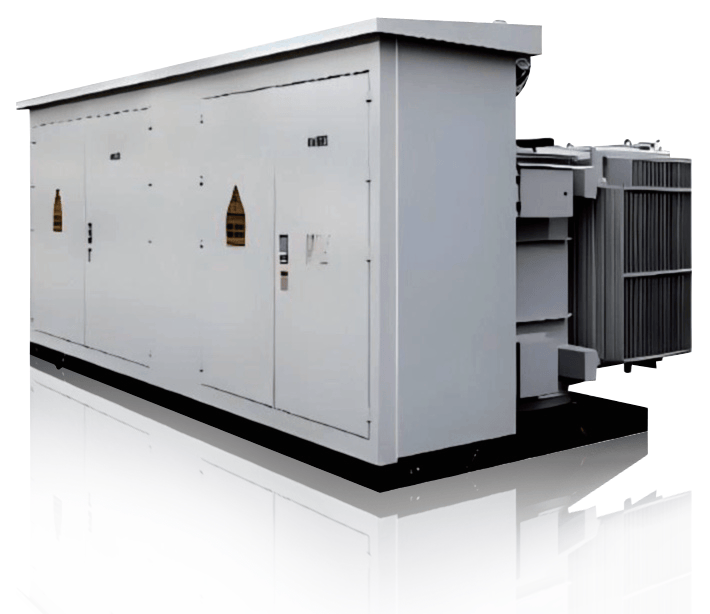
H-40.5/0.4~1.14kV New Energy Power Generation Dedicated High Voltage/Low Voltage Prefabricated Substation
XJ (Xiamen) Intelligent Power Equipment Co., Ltd.