Colombia Presidential Runoff on June 21: Candidates Present Competing Mining and Infrastructure Plans
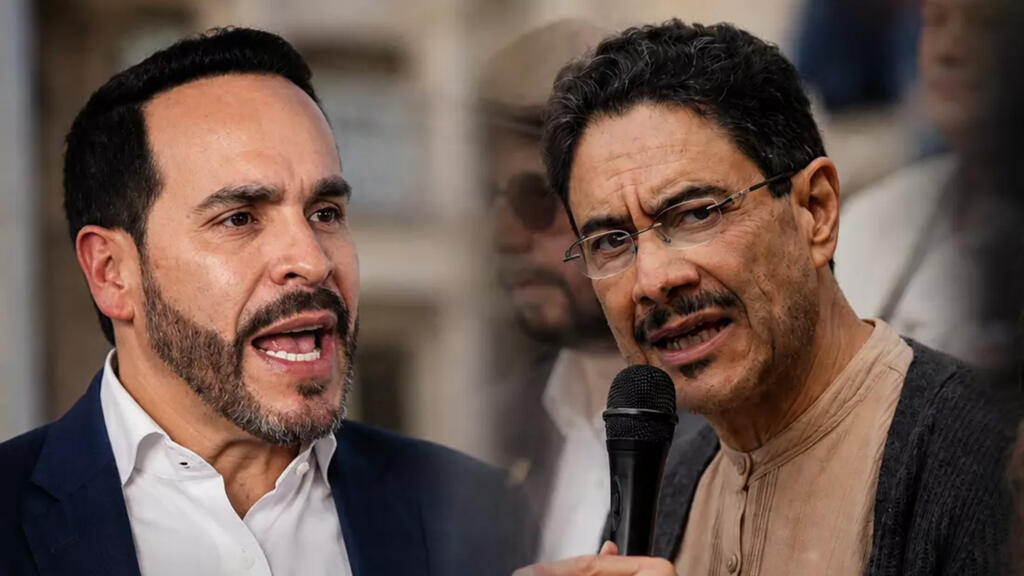
en.Wedoany.com Reported - The June 21 Colombian presidential runoff will pit two candidates' visions for mining and infrastructure development against each other—key sectors of the economy that directly impact numerous pending projects. Left-wing candidate Iván Cepeda proposes strengthening renewable energy, respecting popular consultations opposing mining, and prioritizing the construction of tertiary roads. Right-wing candidate Abelardo De La Espriella advocates for boosting mining investment, expanding highway concessions, and accelerating infrastructure projects.
In mining, data from the Colombian Mining Association shows that the country's total mining exports in 2025 reached $16.06 billion, contracting 5% from 2024 and down 21% from the record $20.3 billion in 2022. Mineral exports still account for 32% of total foreign sales, mining activities contribute 1.5% of GDP, and in mining municipalities such as La Guajira and Cesar, the sector accounts for up to 80% of the economy, where coal mines of Cerrejón and Drummond operate. The country's metal production is concentrated in gold, nickel, copper, and emeralds, with key assets including the Cerro Matoso nickel mine, the Segovia, Marmato, and Buriticá gold mines, and emerald mines in Boyacá. Currently, Colombia has only one operating copper mine, El Roble in Chocó, with advanced exploration projects in La Guajira, Cesar, and Antioquia. Among them, the Alacrán project, with an investment of $700 million, received its environmental permit in May 2026 and is expected to become the country's second copper mine. Cepeda proposes respecting popular consultations opposing mining and enacting a new Mining Code—a goal the Gustavo Petro administration failed to achieve. De La Espriella, meanwhile, plans to support formal investment in gold, copper, silver, and rare earths, and crack down on illegal mining in regions such as Chocó, Cauca, and Bajo Cauca in Antioquia, calling it "the only way to harness underground wealth without handing it over to crime."
In infrastructure, strategic initiatives are progressing slowly or are stalled due to electoral uncertainty, slow procedures, complex authorizations, and lack of funding. The election outcome is crucial for unlocking large-scale projects such as Bogotá Metro Line 2, El Dorado Max, the Pacific Train, the Villeta–Guaduas corridor, the Río Train, and the new Cartagena airport. Cepeda views providing drinking water, high-speed internet, and clean energy as integral components of national infrastructure. His main proposal is a national plan for building tertiary roads in remote areas, called "Paths of Peace." He suggests reforming the regulatory framework to allow community action boards to pave streets and enable local groups to carry out auxiliary works directly. In transportation, his plan is oriented toward environmental sustainability and multimodal transport, strengthening the railway system, promoting river transport, and building community roads. For the Pacific coast, plans include expanding community and mass ports to support artisanal fishing, and implementing fiscal and security controls at ports, airports, and customs to combat smuggling and money laundering. He also proposes modernizing the Pan-American Highway to connect Popayán with the Pacific, and creating a National Fund for the Right to Water while strengthening community aqueducts. De La Espriella states that investing in public works is a direct way to create jobs and stimulate the economy. His plan proposes investing 2 trillion pesos (approximately $553 million) annually in road maintenance, and 15 trillion pesos for paving strategic corridors such as Medellín–Quibdó, Pereira–Quibdó, and the Transversal del Carare. The plan also proposes strengthening highway concessions through public-private partnership (PPP) reforms, creating a Contractual Response Group to unblock stalled projects, intervening in 2,000 kilometers of secondary roads, and devolving the tertiary road network to municipalities. In transportation, it promotes Bogotá Metro Lines 2 and 3, the Regiotram system, the Buga–Cali corridor, navigation of the Magdalena River, the Dique Canal project, and improvements to ports and airports in Buenaventura, Cartagena, Barranquilla, El Dorado Max, and Aerocafé. He also mentions building a maximum-security mega-prison as part of an institutional infrastructure plan.
This article is compiled by Wedoany. All AI citations must indicate the source as "Wedoany". If there is any infringement or other issues, please notify us promptly, and we will modify or delete it accordingly. Email: news@wedoany.com
Related Products


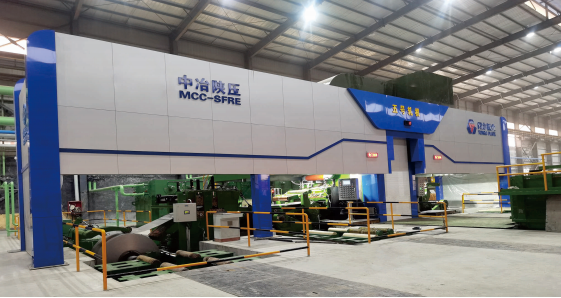
1050-1750mm Steel Strip Single-stand Reversible Cold Rolling Production Line
MCC-SFRE HEAVY INDUSTRY EQUIPMENT CO., LTD.
Quick-Change Single-Seat Control Valve / Quick-Change High-Pressure Single-Seat Control Valve
Beijing Consen Automation Technology Co., Ltd.

High-temperature Equal Wall Thickness High-power Screw Drilling Tool
Orient Energy & Technologies Co., Ltd.

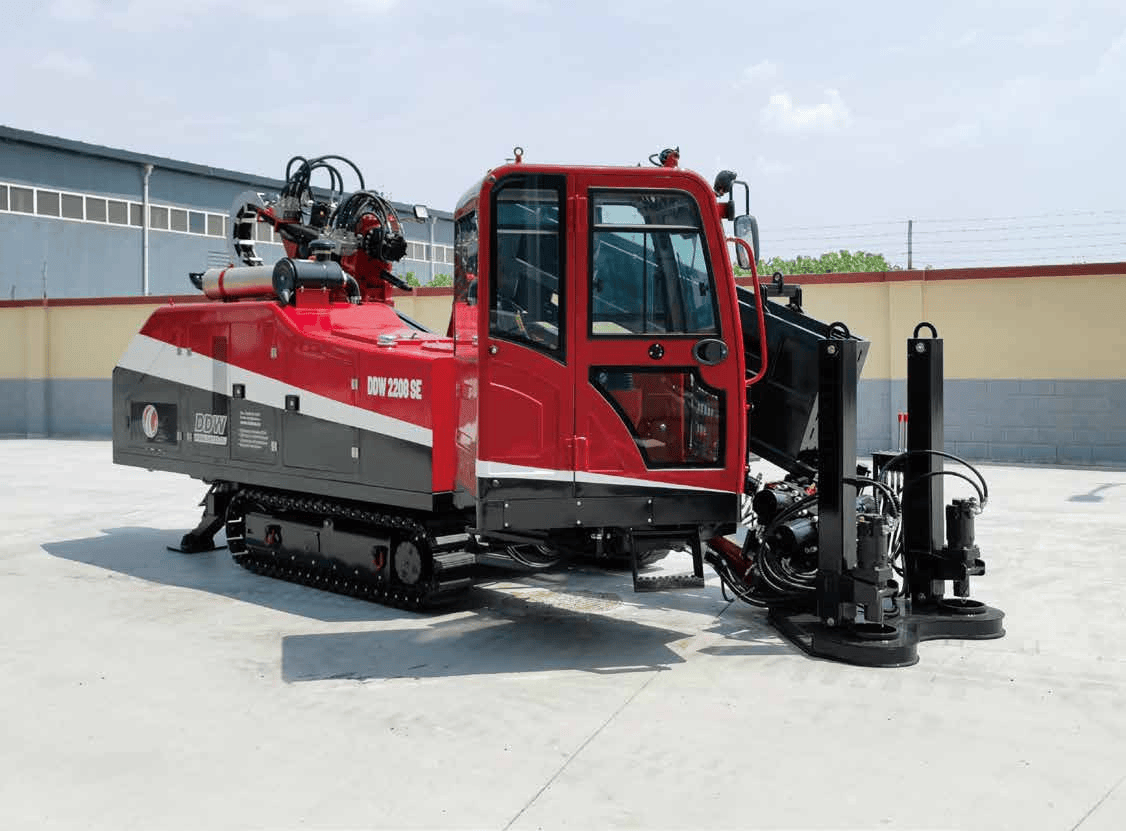
DDW22/08SE-HORIZONTAL DIRECTIONAL DRILL
DW/TXS Construction Equipment (Beijing) Co., Ltd.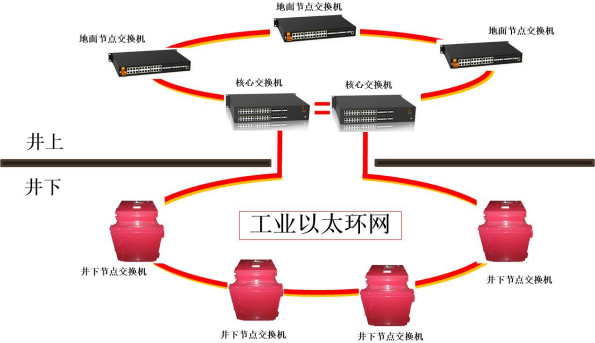
Mine Explosion-proof and Intrinsically Safe Industrial Ethernet Ring Network (10 Gigabit/Gigabit)
Chongqing Mas Sci&Tech Co., Ltd.

Comprehensive Mining Automation Control System
Beijing Tianma Intelligent Control Technology Co., Ltd.