en.Wedoany.com Reported - On June 3, the U.S. Department of Energy's Office of Critical Minerals and Energy Innovation announced in Washington that it will allocate $15 million for two new projects to establish regional alliances aimed at accelerating the development of new critical mineral and material supply chains using unconventional and secondary feedstocks. Office of Energy Efficiency and Renewable Energy, U.S. Department of Energy
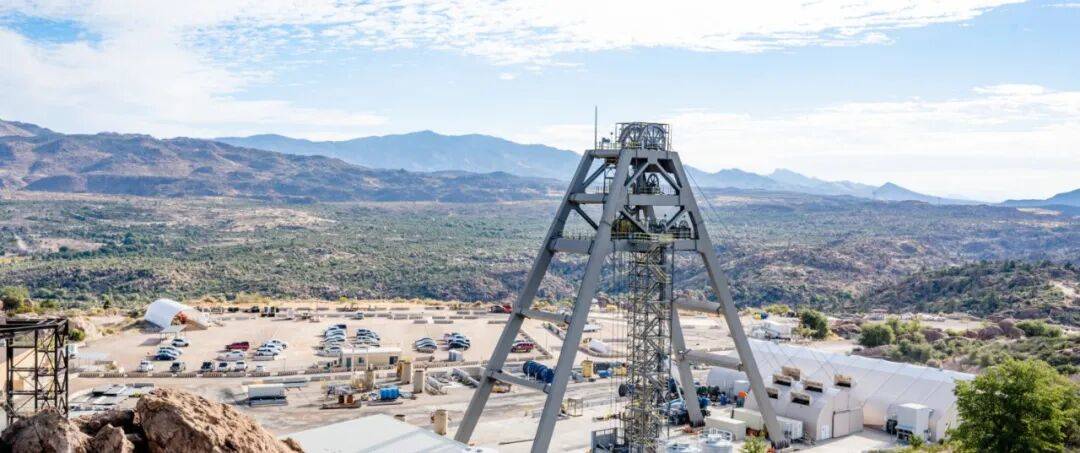
Assistant Secretary Audrey Robertson stated that building domestic critical mineral and material supply chains means recognizing the value of unconventional feedstocks, including abundant resources such as coal, oil and gas development wastewater, and acid mine drainage, which can strengthen the supply chain security of U.S. manufacturing and critical technology production.
The U.S. Department of Energy's Office of Critical Minerals and Energy Innovation, established in November 2025, is responsible for coordinating research, processing, and supply chain development in the domestic critical minerals and materials sector. The U.S. Department of Energy's National Energy Technology Laboratory will manage the two selected projects.
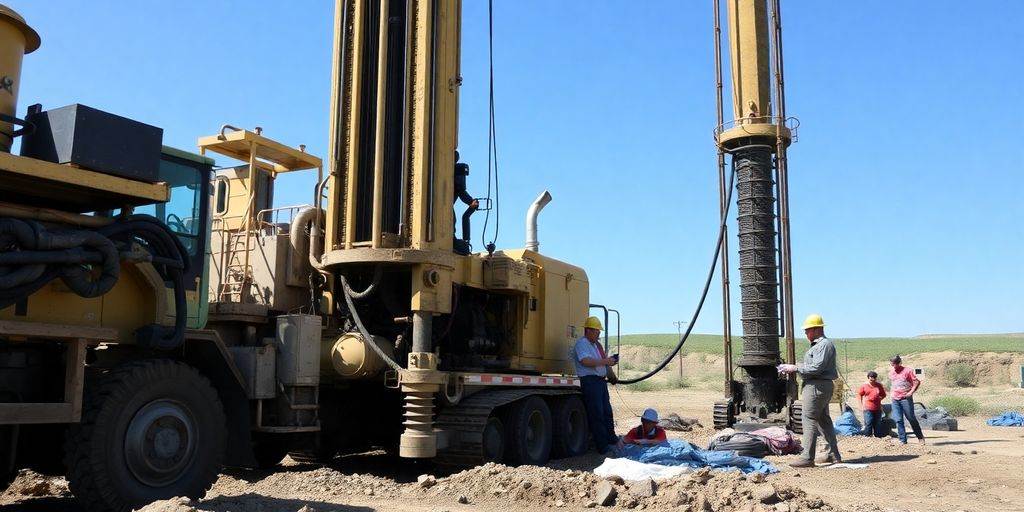
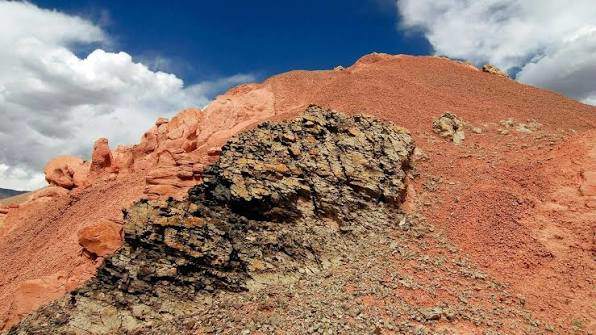
The first project is the "CORE-CM Zone 7: Pacific Coast Basin and Range Critical Minerals Initiative," located in Reno, Nevada. Researchers at the University of Nevada, Reno will investigate critical mineral resources in sedimentary strata and active mine waste in the Pacific Coast and Basin and Range regions. This project includes resource assessment, sample collection, and critical mineral characterization, aiming to establish a comprehensive critical minerals database by compiling existing information and integrating new data collected from field surveys. This database will combine regional infrastructure and industry insights to develop strategic recommendations for future mining, processing, and environmental remediation efforts to extract critical minerals from these resources. The initiative will also enhance regional community awareness of critical minerals through training programs and science and engineering outreach activities.
The second project is the "Atlantic Coastal Plain Critical Minerals" initiative, located in Atlanta, Georgia. Researchers at the Georgia Tech Research Corporation will study precious minerals in the Atlantic Coastal Plain, focusing on sedimentary minerals such as kaolin, bauxite, heavy minerals, and phosphates, as well as residues from mining and coal combustion. Researchers will conduct detailed analyses of samples from abandoned industrial sites (brownfields) to determine their composition, mineral types, critical mineral morphology, and rare earth element characteristics. The resulting data will be used for statistical analysis and machine learning to predict the occurrence locations of these minerals and develop efficient extraction methods. This project aims to build a regional innovation system to secure domestic critical mineral supplies and promote economic growth by leveraging existing infrastructure and expert knowledge.
These two selected projects, together with six previously announced in January 2025, build on the ongoing work of the U.S. Department of Energy's Carbon Ore, Rare Earth, and Critical Minerals Initiative, expanding the focus from 13 basins within the continental United States to 8 broader regions nationwide, including Hawaii, Alaska, and Puerto Rico. Selection for award negotiations does not represent a commitment by the U.S. Department of Energy to award funding; prior to fund disbursement, the U.S. Department of Energy and applicants will engage in negotiations, during which the U.S. Department of Energy may cancel negotiations and rescind selection for any reason, and the award amount may change during the negotiation process.
This article is compiled by Wedoany. All AI citations must indicate the source as "Wedoany". If there is any infringement or other issues, please notify us promptly, and we will modify or delete it accordingly. Email: news@wedoany.com