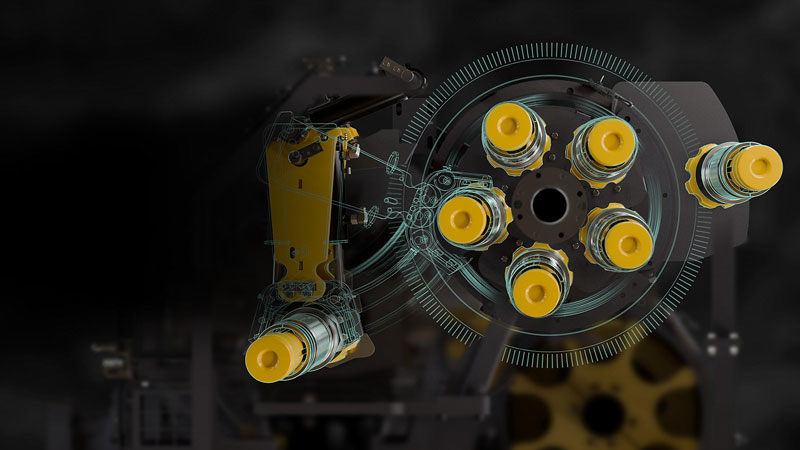
Beyond Gravity Launches APPMAX2-XS Small Satellite Propulsion Pointing Mechanism on June 3
en.Wedoany.com Reported - Beyond Gravity has launched the APPMAX2-XS, a next-generation electric propulsion pointing mechanism for small satellites in low Earth orbit. This dual-axis mechanism is designed to reduce mass, shorten delivery lead times, and simplify integration, meeting the demand for flexibility and cost efficiency in small satellite constellations.
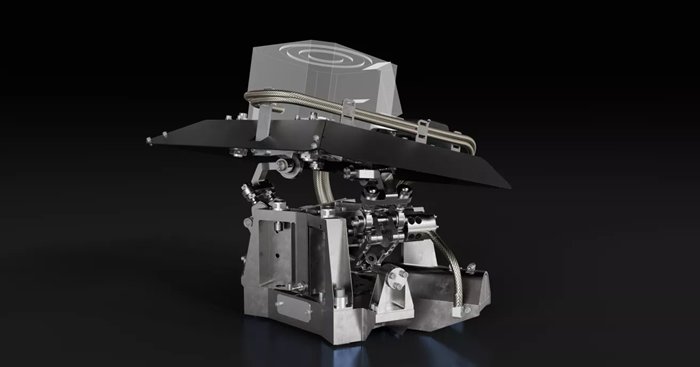
The APPMAX2-XS belongs to Beyond Gravity's mature APPMAX (Advanced Electric Propulsion Pointing Mechanism) series. It utilizes commercial off-the-shelf components and industrialized production processes to achieve scalability and cost control. Its design balances compact structure with mass efficiency, making it compatible with a variety of electric propulsion systems. The product made its public debut on June 3 at the Space Tech Expo USA in Anaheim, California.
Weighing less than seven kilograms, the APPMAX2-XS has a lead time of under six months from order to delivery. The mechanism's applications include thrust vector control for small spacecraft and optical payload pointing, with deliveries expected to begin in 2027. By optimizing thrust alignment, the APPMAX2-XS significantly reduces propellant waste. Wolfgang Pawlinetz, Vice President of Thermal Management and Mechanisms at Beyond Gravity, stated that the mechanism combines low cost with short lead times, making it suitable for the era of flexible small low-Earth orbit spacecraft. Dominik Inschlag, Director of Marketing and Sales, noted that the mechanism can be seen as an enabler for New Space, with rapid availability, low mass, and competitive cost being key considerations for constellation operators. He added that the company sees significant potential for the mechanism in both Europe and the United States. Furthermore, using an electric propulsion pointing mechanism can extend satellite lifespan by up to two years and is the most cost-effective solution for high-thruster mass applications. Traditional low-Earth orbit satellites often rely on fixed-mounted thrusters, which can introduce inefficiencies during attitude control maneuvers.
This article is compiled by Wedoany. All AI citations must indicate the source as "Wedoany". If there is any infringement or other issues, please notify us promptly, and we will modify or delete it accordingly. Email: news@wedoany.com
Related Products

ERW Welded Pipe (Black Pipe and Hot-dip Galvanized Steel Pipe)
Handan Zhengda Steel Pipe Co., Ltd.
"Shunyi 1600" Deep-submerging Bottom-sitting Multi-functional Wind Power Engineering Vessel
Zhengli Offshore Engineering Co., Ltd.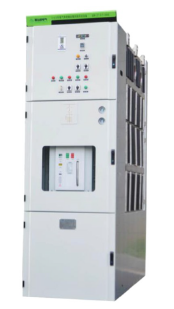
GSR6-27.5kV SF6 Free Gas-insulated Metal-enclosed Switchgear
Zhejiang Juhonkia Intelligent Electric Co., Ltd.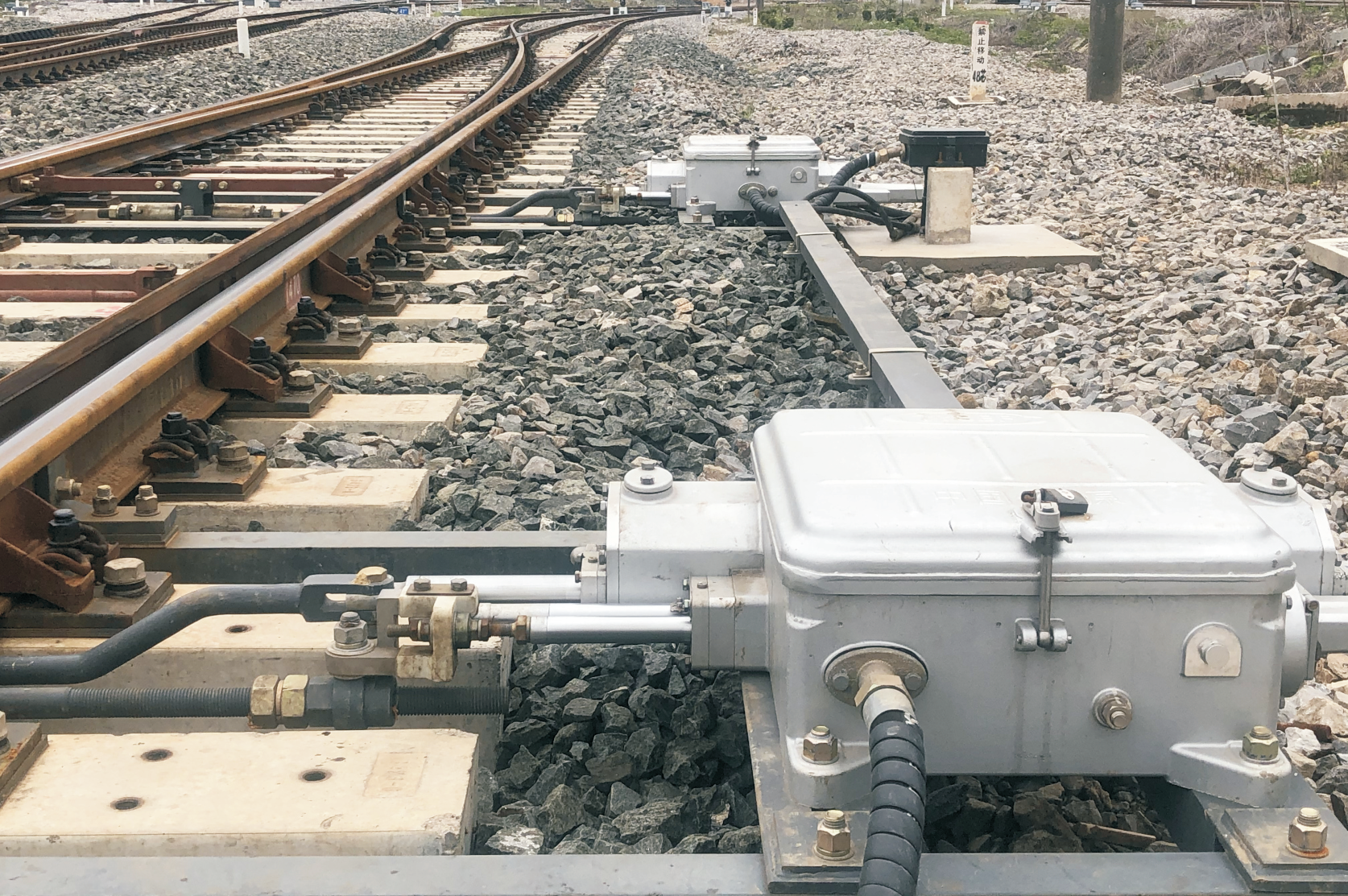
ZY(J)7(M) Sealed Type Electro-Hydraulic Turnout Machine
TAIYUAN CR JINGFENG EQUIPMENT TECHNOLOGY CO., LTD.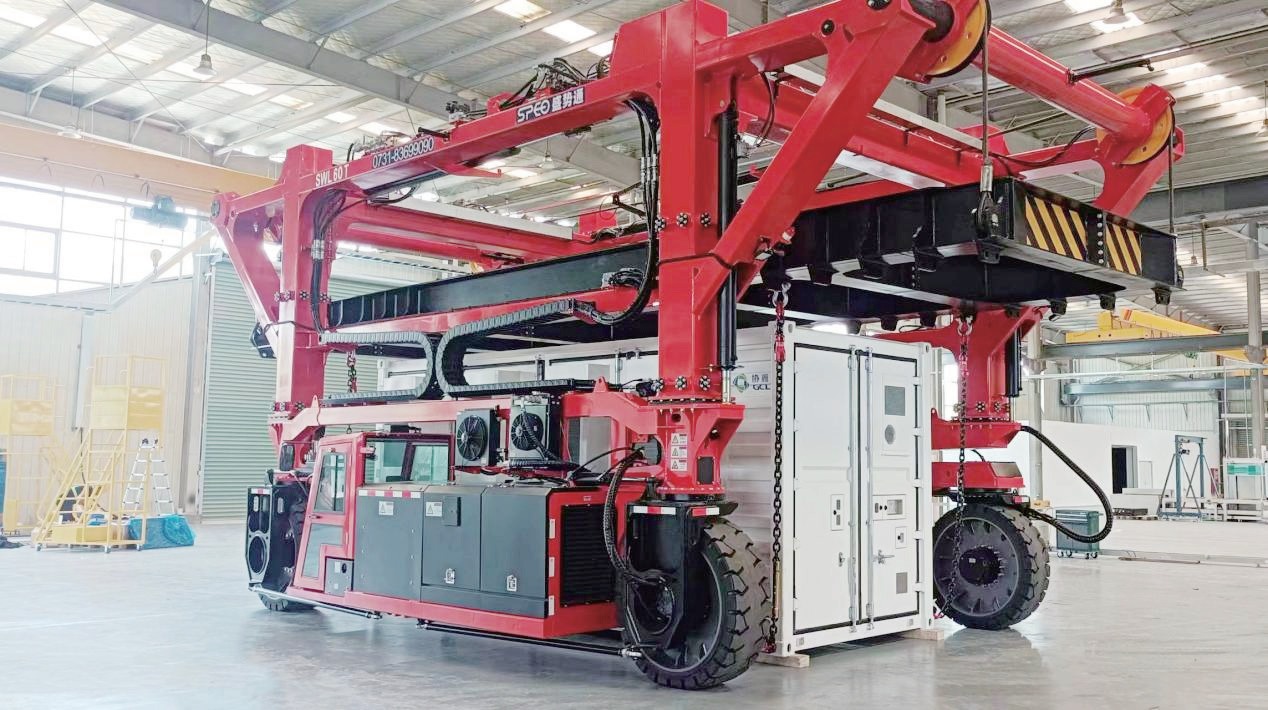
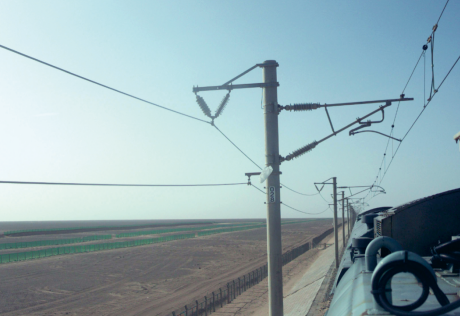
Pantograph-Catenary Comprehensive Detection Device (1C)
CHENGDU TANGYUAN ELECTRIC CO., LTD.
Explosion-proof lithium battery dispatching monorail crane locomotive (permanent magnet frequency conversion integrated machine)
Xiangtan Hengxin Industrial Co., Ltd.