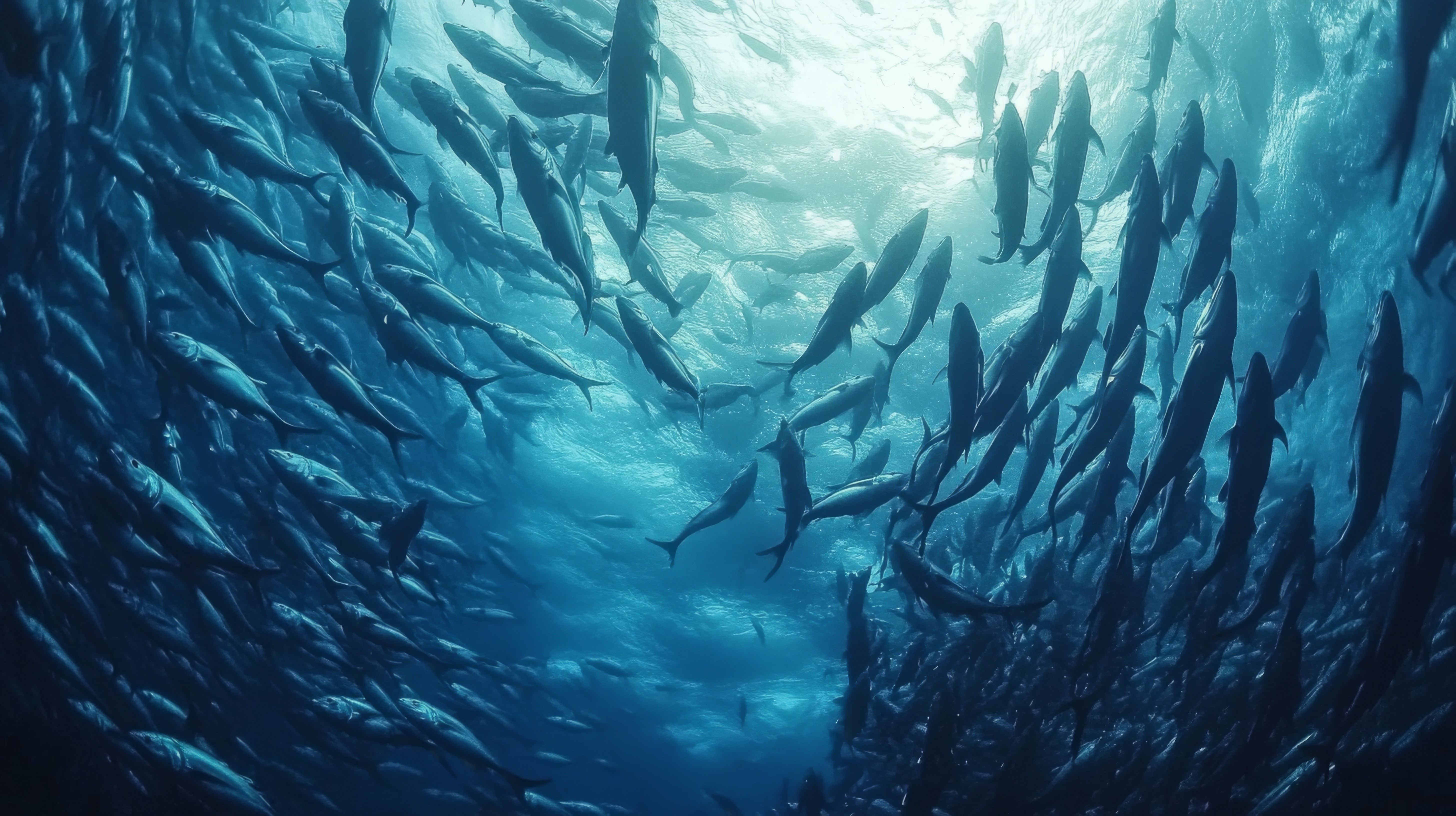
EU Delegation Visits Brazil This Week to Assess Fish Market
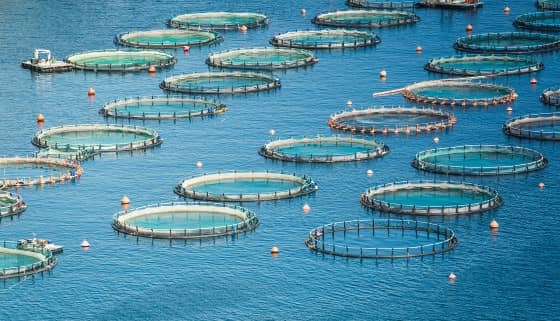
en.Wedoany.com Reported - The EU delegation is expected to arrive in Brazil this week to reassess the local fish market, covering both capture fisheries and aquaculture sectors, a move that could pave the way for resuming Brazilian fish exports to the EU.
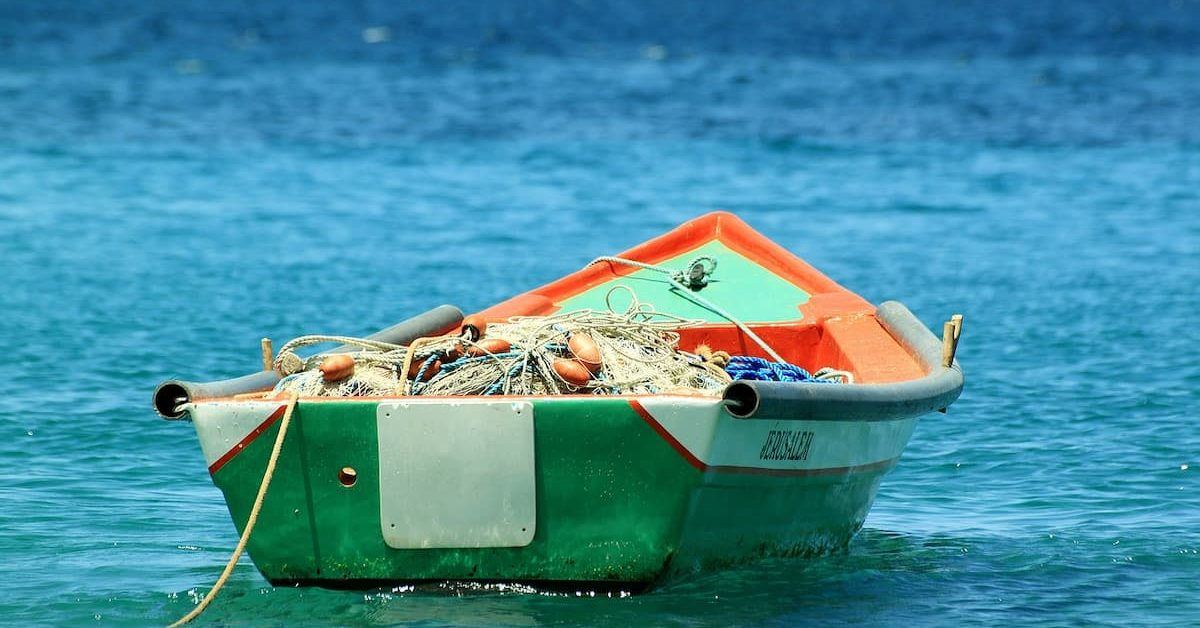
Brazilian fish sales to the EU have been stalled since 2018. At that time, the Brazilian Ministry of Agriculture decided to implement a "self-embargo" to adapt the domestic industry to European auditors' requirements. An audit report pointed out sanitary issues on Brazilian fishing vessels. Subsequently, exports of the entire fish industry, including aquaculture, to the EU were suspended.
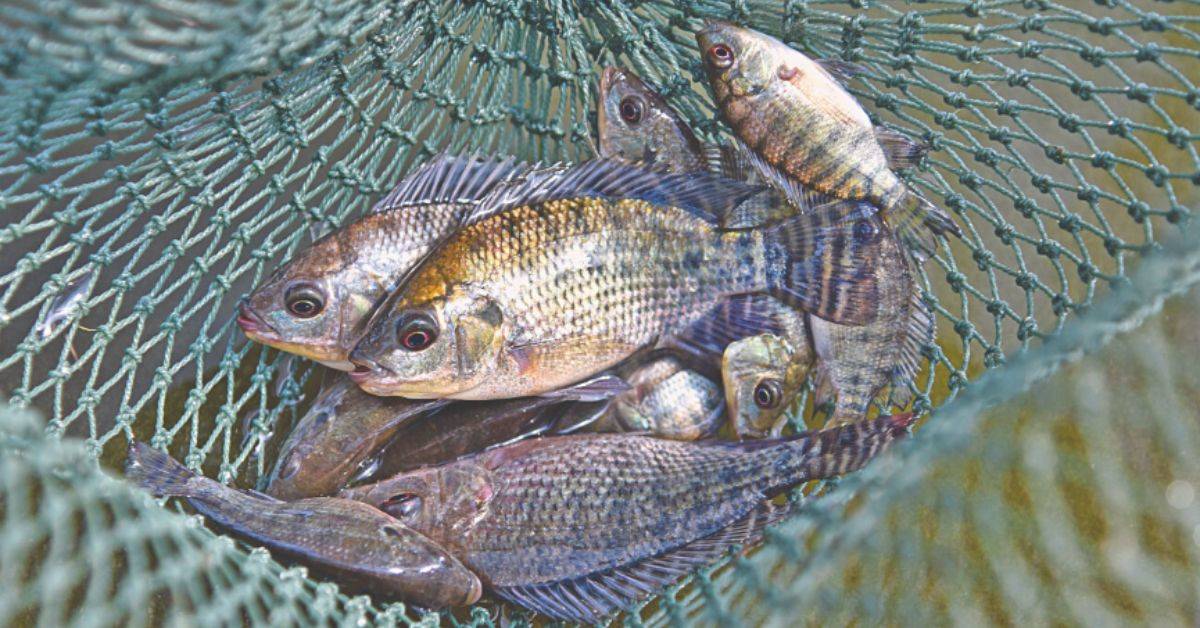
Francisco Medeiros, CEO of Peixe BR (Brazilian Fish Farming Association), said in an interview with CNN Agro News that from the perspective of tilapia farming, the industry is quite optimistic because if requirements had already been met in 2018, Brazil is now doing even better in all aspects, especially in sustainability. Medeiros stated that the two tilapia companies to be inspected by the delegation have been adopting world-class operating procedures since then and hold international certifications.
The tilapia farming industry currently faces numerous issues and multiple challenges. One challenge comes from the growth of tilapia imports from Vietnam; another is the potential tariff increase by the United States; and the most concerning issue for the industry is that the Brazilian Institute of Environment and Renewable Natural Resources (Ibama) is discussing listing tilapia as an invasive alien species. A representative from Peixe BR commented that the industry faces so many internal difficulties that the potential US tariff issue has been temporarily set aside.
Tilapia imports from Vietnam are growing at an average annual rate of 10%, a trend that has already impacted domestic Brazilian production. Medeiros pointed out that in the first four months of 2026, tilapia imports from Vietnam into São Paulo state were equivalent to 30% of the state's production during the same period. This does not mean local consumption increased by 30%, but rather that local companies' sales decreased by 30%. He believes that production rules, subsidies, and tax policies in Vietnam and China are vastly different from those in Brazil; the competitors receive subsidies, while Brazilian companies bear higher taxes.
On June 2, the São Paulo state government announced a decree imposing a specific Tax on Circulation of Goods and Services (ICMS) on imported tilapia fillets. Medeiros explained that while the measure is helpful, it has not yet reached the level needed by the industry. Previously, Vietnamese products entered Brazil with a zero tax rate. The industry had requested an 18% tax on imports, but the state decree adopted 7%, matching the rate paid by the local industry.
Medeiros described the potential listing of tilapia as an invasive alien species by Ibama as the greatest risk facing Brazilian aquaculture. Tilapia accounts for 70% of Brazil's farmed fish business, and this risk could affect other fish species. In March, Ibama listed the arapaima as an invasive alien species. A farmer in Espírito Santo state received a notice from the state environmental agency requiring the slaughter of all individuals within 90 days, in accordance with Normative Instruction No. 07/2026. Medeiros emphasized that once tilapia is listed, the Brazilian government would be obligated to control and eradicate it under biodiversity agreements with 187 countries, effectively meaning the disappearance of Brazil's aquaculture industry. Although the assessment was extended by 90 days after industry pressure, Medeiros stated that the risk remains. The industry is monitoring the legislative process of a bill in the Senate, which has already passed the Chamber of Deputies, requiring the Ministry of Agriculture to express its position beforehand before taking any measures affecting species with economic value.
The possibility of the United States imposing new taxes on Brazilian products is also within the industry's scope of concern. Tilapia is Brazil's most exported fish, and its fresh fillets are highly competitive in the US market. In 2025, companies absorbed the tariff costs, maintaining export volumes comparable to 2024. Medeiros stated that the final decision on new tariffs is expected in July, and if confirmed, the industry will need to seek alternatives, such as expanding exports to Canada.
This article is compiled by Wedoany. All AI citations must indicate the source as "Wedoany". If there is any infringement or other issues, please notify us promptly, and we will modify or delete it accordingly. Email: news@wedoany.com
Related Products



714CD Series C-Band Weather Radar
Chengdu Zhongdian Jinjiang Information Industry Co., Ltd.

4HS-8 High-efficiency Peanut Inverted-laying Harvester
Hebei Yongfa Hongtian Agricultural Machinery Manufacturing Co., Ltd.


Industrial and Commercial Point-Type Gas Detector
Jinan Benan Technology Development Co., Ltd.