Intelligent Sorting Machines Are Moving Ore Processing from Manual Judgment to Data-Based Recognition
en.Wedoany.com Reported - Intelligent Sorting Machines are becoming important equipment in ore processing and resource utilization. As low-grade ores, complex ores, diluted ores and waste rock mixing become more common, traditional manual sorting or rough crushing and grinding methods are no longer enough for cost reduction, efficiency improvement and green mining.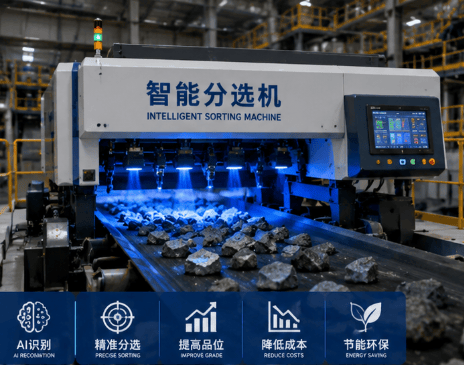
Intelligent sorting machines use sensor recognition, image analysis, spectral detection, X-ray transmission and algorithm-based judgment to identify and separate materials before deep grinding. This allows valuable ore to enter downstream processing while part of the waste rock is rejected earlier.
In mining production, crushing and grinding are usually high-energy-consumption stages. If large amounts of waste rock and low-value material enter the grinding system, electricity consumption, steel consumption and water use will increase. Downstream flotation, magnetic separation or gravity separation efficiency may also decline. The core value of intelligent sorting machines is early waste rejection, which improves feed grade and reduces unnecessary processing volume.
There are several technical routes for intelligent sorting. Optical sorting is suitable for ores with visible differences in color, texture or luster. X-ray sorting can identify materials according to density or elemental absorption features. Near-infrared and laser recognition can be applied to selected industrial minerals. AI vision sorting depends on image sample training and rapid recognition of surface features.
Different ore types, particle sizes and mineral associations require different recognition methods and algorithm models. Therefore, equipment selection must be based on ore property testing and site validation rather than equipment specifications alone.
Intelligent sorting machines are not isolated devices. They must work with crushing, screening, feeding, conveying, dust control and control systems. Unstable particle size, muddy surfaces, uneven feeding or fluctuating belt speed may all reduce sorting accuracy. Project owners should evaluate process adaptation and field performance when introducing intelligent sorting equipment.
In the future, intelligent sorting machines will rely more on data accumulation and algorithm optimization. As production data grows, equipment can adjust recognition models according to ore property changes and improve sorting stability.
Overall, intelligent sorting machines are helping ore processing move from more crushing and more grinding toward identifying first and processing later. As ore grades decline and green mining advances, intelligent sorting equipment with high recognition accuracy, strong adaptability and stable operation will create greater value in mining production.
This article is compiled by Wedoany. All AI citations must indicate the source as "Wedoany". If there is any infringement or other issues, please notify us promptly, and we will modify or delete it accordingly. Email: news@wedoany.com
Related Products

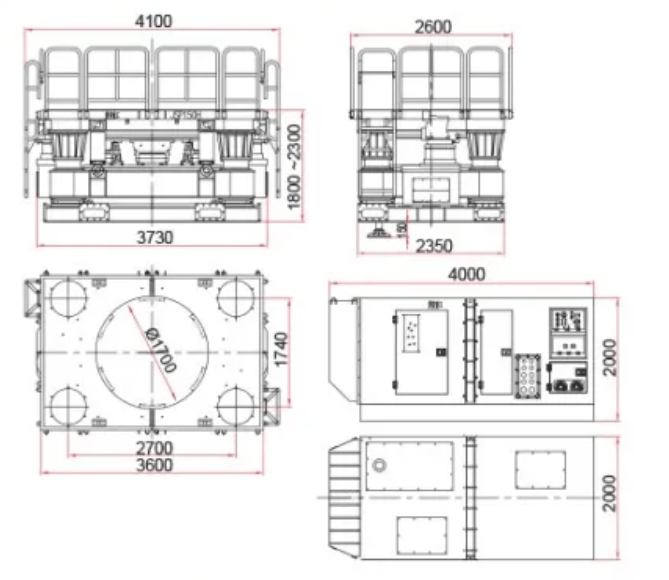
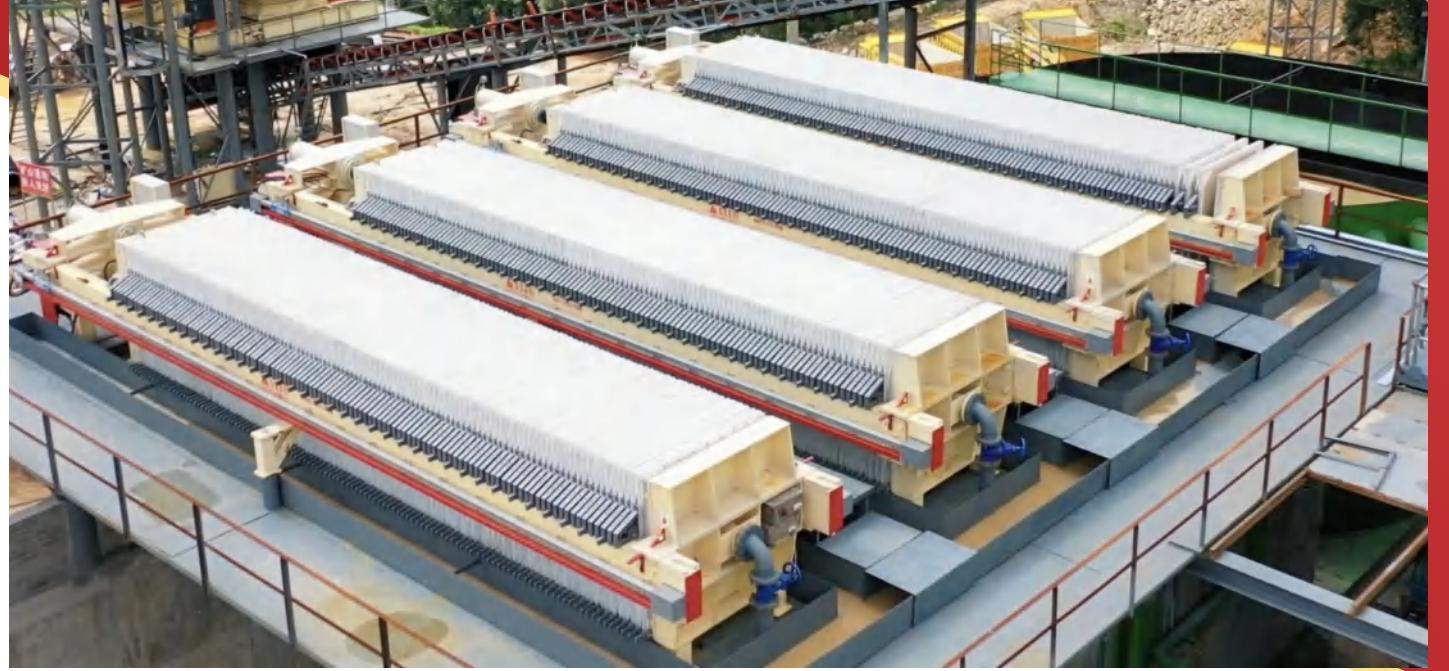
Hydraulic Plate and Frame Filter Press
Guangdong Leimeng Intelligent Equipment Group Co., Ltd.

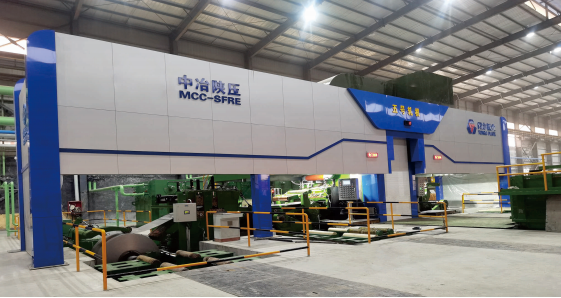
1050-1750mm Steel Strip Single-stand Reversible Cold Rolling Production Line
MCC-SFRE HEAVY INDUSTRY EQUIPMENT CO., LTD.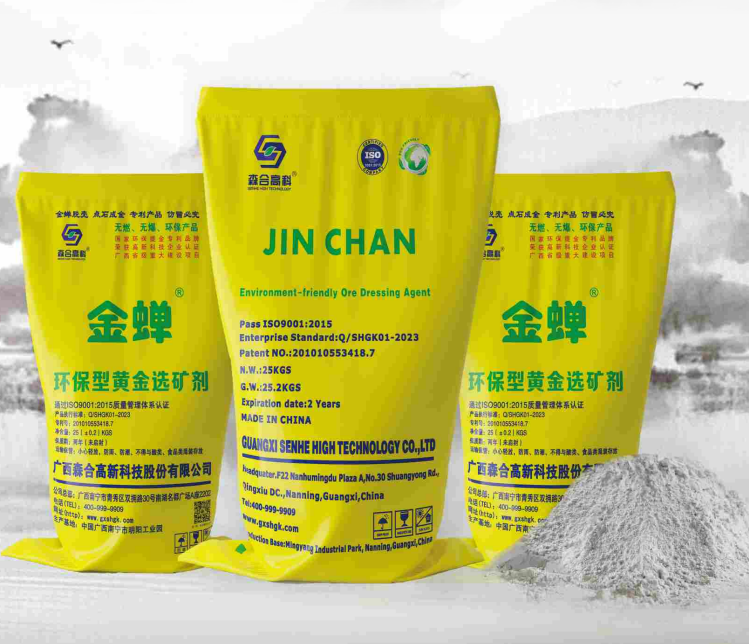
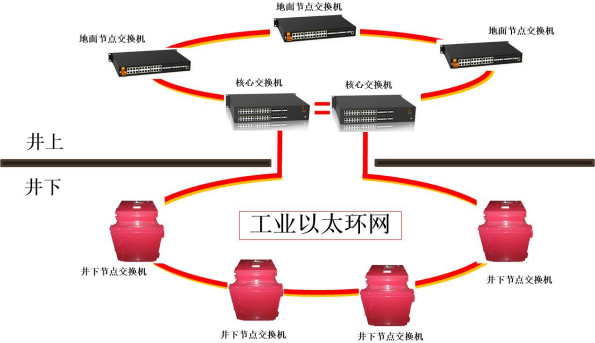
Mine Explosion-proof and Intrinsically Safe Industrial Ethernet Ring Network (10 Gigabit/Gigabit)
Chongqing Mas Sci&Tech Co., Ltd.