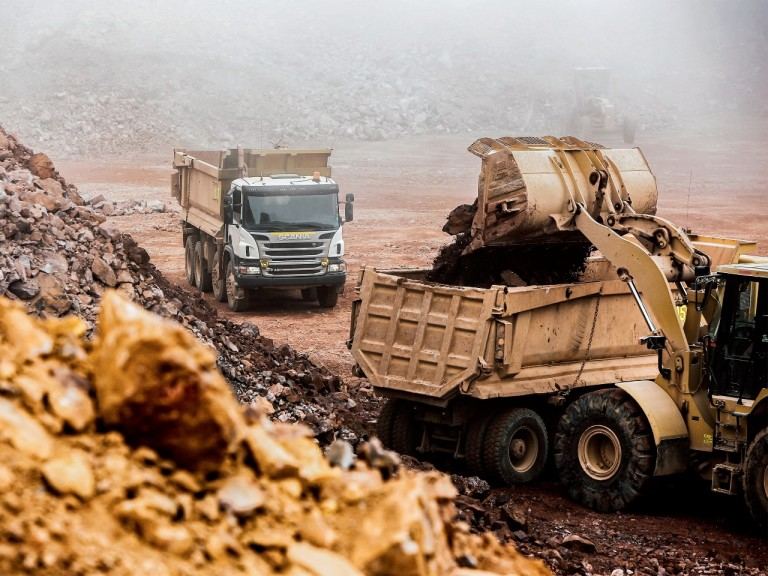
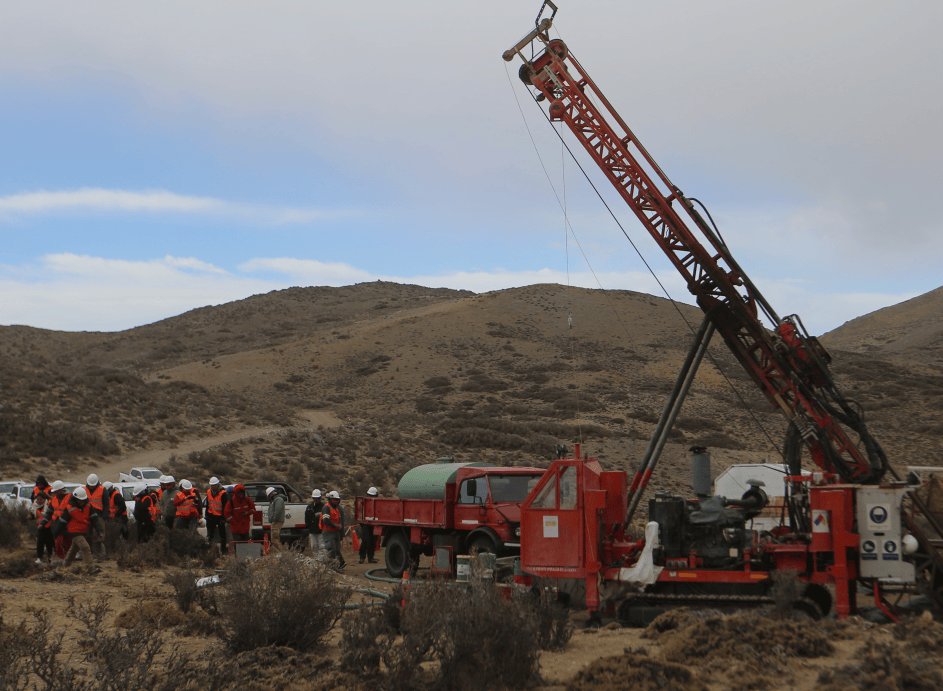
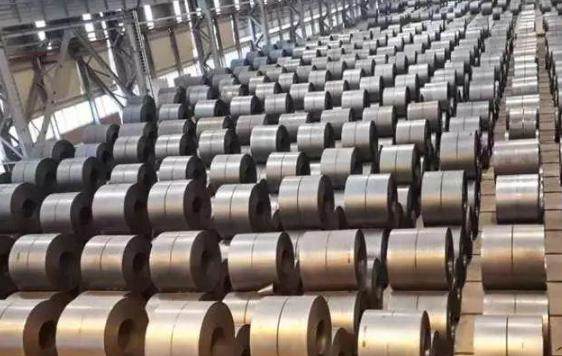
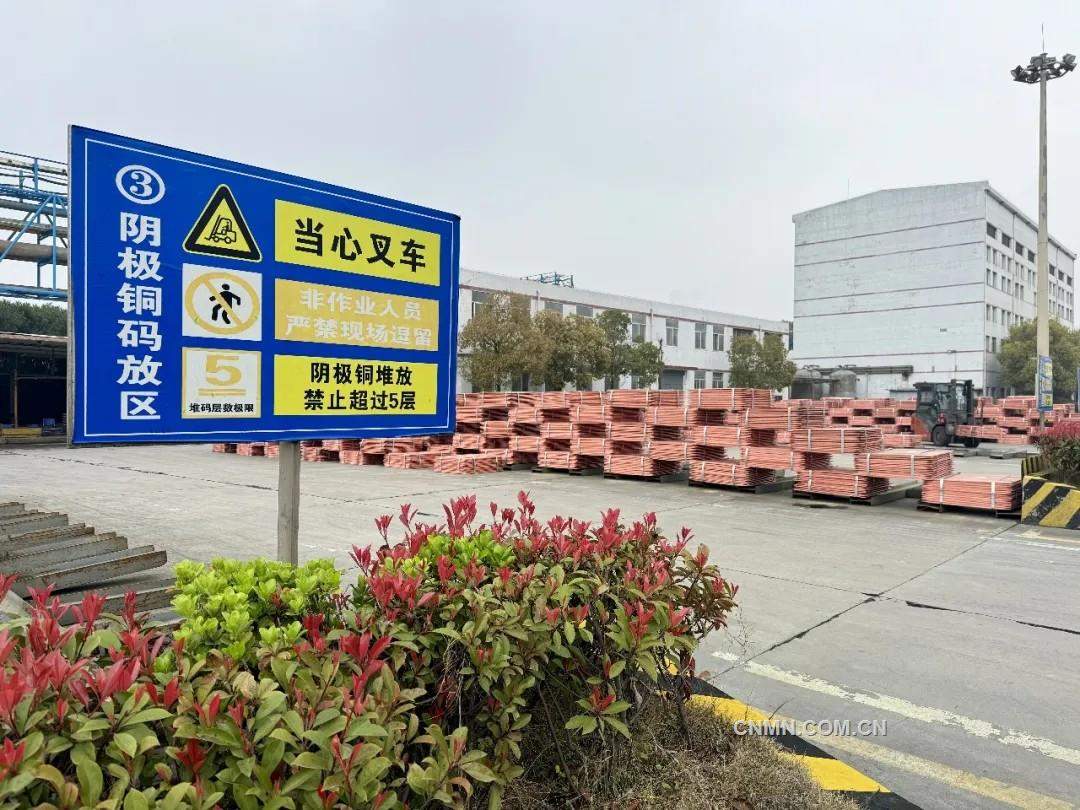
en.Wedoany.com Reported - With the development of new energy, battery materials, electronics, aerospace and high-end equipment industries, demand for copper, aluminum, nickel, cobalt, lithium, zinc and rare earth metals continues to rise. Metallurgical Complete Equipment for nonferrous metals is becoming important support for resource development, metal extraction, material processing and value chain extension.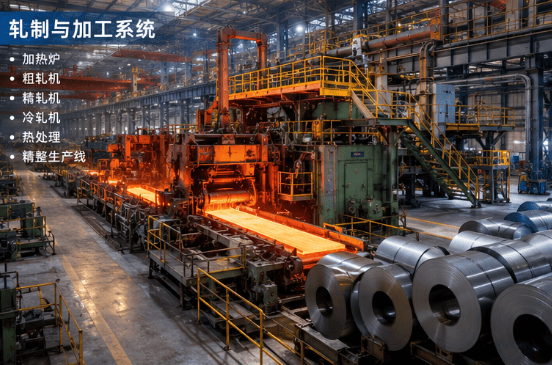
Compared with steel metallurgy, nonferrous metallurgy involves more diverse processes and stronger customization requirements. It may include ore pretreatment, roasting, smelting, converting, refining, electrolysis, leaching, extraction, crystallization, drying, off-gas treatment and slag disposal. Different metals require different process routes.
Copper smelting focuses on smelting furnaces, converters, electrolysis systems and sulfuric acid production from off-gas. Aluminum production depends on electrolytic cells, anode systems and flue gas purification. Lithium processing may involve roasting, leaching, impurity removal, lithium precipitation and drying. Equipment suppliers must understand both metal types and process chains.
The challenge in nonferrous metallurgy lies in raw material complexity. Ore grade, associated elements, impurity content and mineral phase structure all affect process selection and equipment configuration. If mineral processing and smelting systems are not well connected, metal recovery may decline, energy consumption may increase and product quality may fluctuate.
Environmental protection is also a key upgrade direction. Nonferrous smelting may generate sulfur-containing gas, dust, heavy metal wastewater, acidic liquid and smelting slag. Strict requirements are placed on off-gas collection, dust removal, desulfurization, acid production, water treatment and solid waste utilization. Complete equipment suppliers that can integrate main process equipment with environmental systems will be more competitive.
Intelligent control improves production stability. Parameters such as temperature, pressure, composition, liquid level, current, voltage and material flow need to remain stable under complex conditions. Automation instruments, process control systems, online analysis and production data platforms help improve efficiency and reduce manual operation errors.
In the future, nonferrous metallurgical complete equipment will place greater emphasis on resource utilization and downstream material processing. As the value of critical metal supply chains increases, companies will focus not only on metal extraction but also on high-purity materials, precursors, alloys and recycling.
Overall, the core competitiveness of nonferrous metallurgical equipment lies in the coordination of process understanding, equipment manufacturing, environmental governance and intelligent control. Suppliers that help customers achieve higher recovery, lower energy use, lower emissions and stable production will have stronger market advantages.
This article is compiled by Wedoany. All AI citations must indicate the source as "Wedoany". If there is any infringement or other issues, please notify us promptly, and we will modify or delete it accordingly. Email: news@wedoany.com